Our host Vick Hope is joined by Hannah Murray.
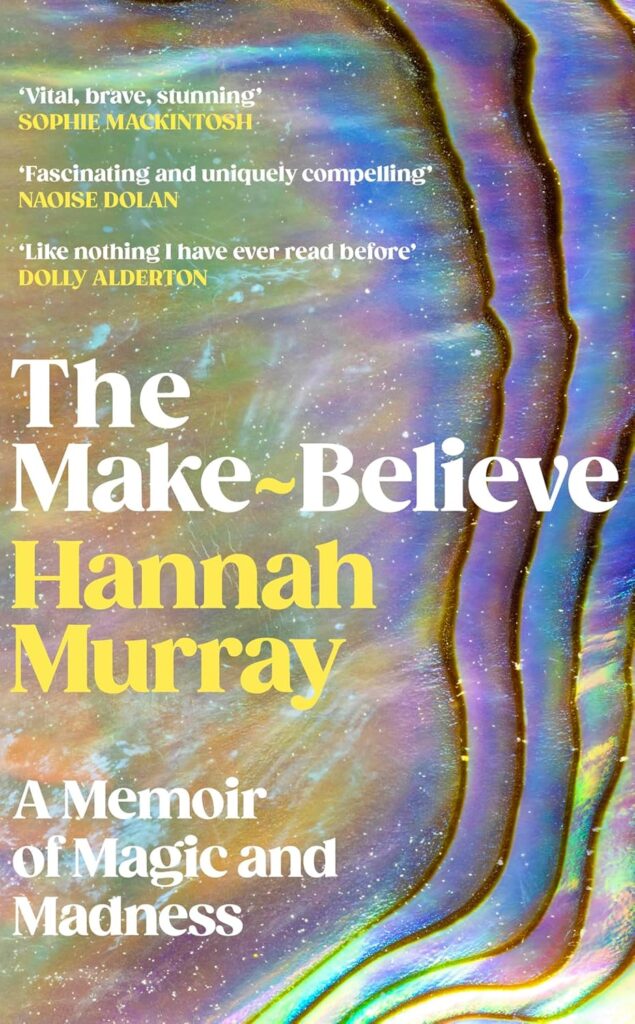
Hannah worked as an actor for over a decade, cast as Cassie in E4’s Skins at the tender age of 16, and later as Gilly in HBO’s Game of Thrones, alongside numerous other roles for theatre, TV and film. During her early acting career, Hannah studied English at Cambridge University and later Creative Writing at UEA, and is about to release her first book, The Make-Believe: A Memoir of Magic and Madness – an autobiographical account of her involvement in a wellness cult, which will be published on 28th May.
Listen to the full episode here and read on to discover Hannah’s five most influential books by women.

“I was completely obsessed with it from probably the first page. The world that she creates and the characters she creates are so vivid and detailed and sort of strange. It also reads like a thriller, it’s as page turning as a thriller, but it’s gorgeous and literary and dealing with this ancient history and classical literature…I just had never read anything like that and I’d never found it so easy to read something so complex.”
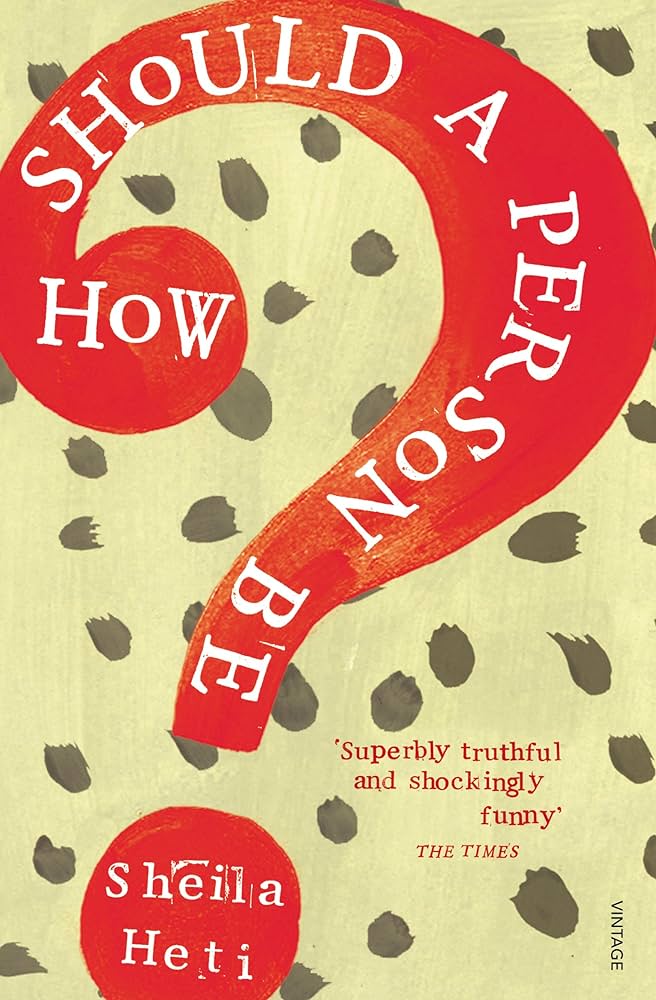
“It’s a very unusual book and I don’t quite understand the boundaries of kind of fiction and non-fiction within it. It was 2020 and I was living in LA still and everything was on pause […] so I had this time to write and I started writing every day and taking it very seriously, like it was my job suddenly. And I was also reading a lot and that book just, it kind of lit me on fire. I think partly as well because the main character is trying to write a play and she’s having a really hard time with it. And so it’s sort of about the creative process as much as anything else. And there’s one passage where she sort of finally sits down and finally makes it happen. I copied this passage out and pinned it on the wall because I just thought,
I need to remember this. It’s about becoming real by sort of throwing everything you have, including the awful parts of yourself, at the writing.”

“I think it can be really hard to do big, bold, formal experimentation and it not end up feeling gimmicky. And the things she does in this book, some of which are so unexpected and risky. There’s a choose-your-own-adventure section in the middle of this memoir about emotional abuse in relationships. It’s wild. But when you read that section, it’s all about how you can never get out of the relationship, how you’re trapped in that relationship, and whatever choice you make, you remain trapped. And I read that and thought, this is so clever because it’s such an accurate depiction of what she experienced, through this kind of quite playful structure, you actually understand more deeply what she was going through. And I don’t know if many people can pull that off as well as she does.”
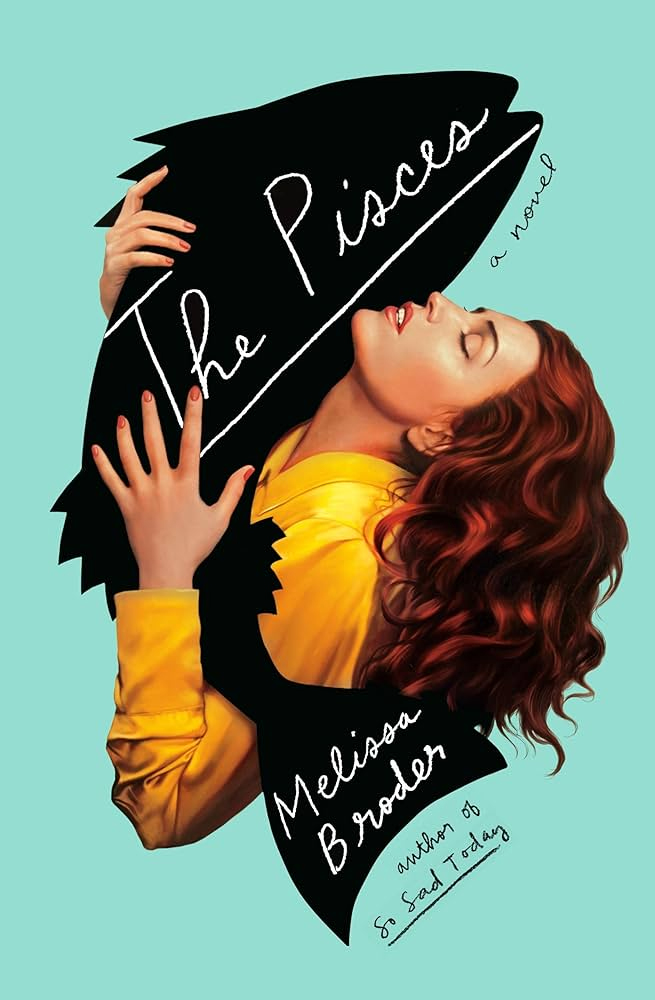
“I just couldn’t stop reading it and I couldn’t believe someone had written such a convincing depiction of a relationship with a merman. I’d read Milkfed before (Broder’s second novel) and I really loved that one too. But there is something about [The Pisces], it’s not magical realism, it’s not a fantasy world. It very much feels like our world and I have lived in LA and I recognized the setting as very contemporary and realistic. And then this merman pops up and you completely believe in him as much as you believe in the Tinder dates she’s going on. And it just feels so true and it’s very cleverly positioned that you never quite know if it’s in Lucy’s head or not. There’s never a definitive this is reality or this is her fantasy.”

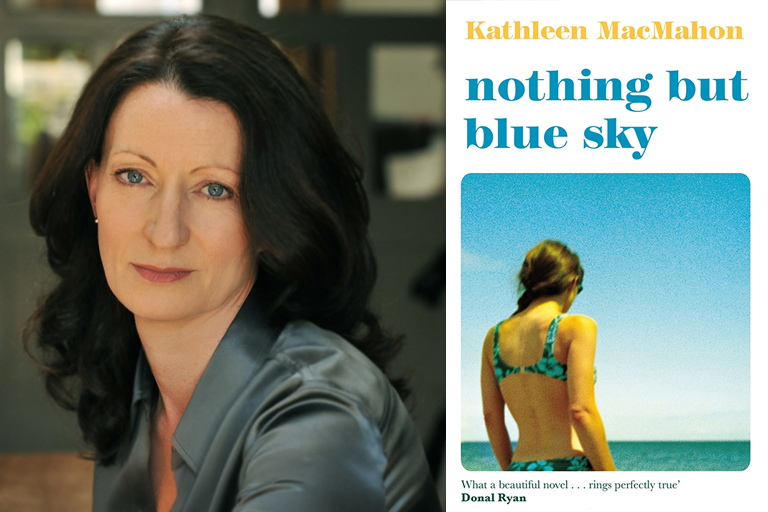
“I think what I loved about Disappoint Me, and Bellies does the same thing, is you have two narrators. You have two first-person people telling you their story. And they’re very different characters, Max and Vincent. They’re telling their stories from different timelines. I think Vincent is in his late teens and Max is 30 when she’s meeting him for the first time. And you’re getting to know these different sides of people. And they’re so fully inhabited and […] this is a book that has so much moral complexity in it and I think to be truly empathetic you have to kind of hold space for that complexity.”