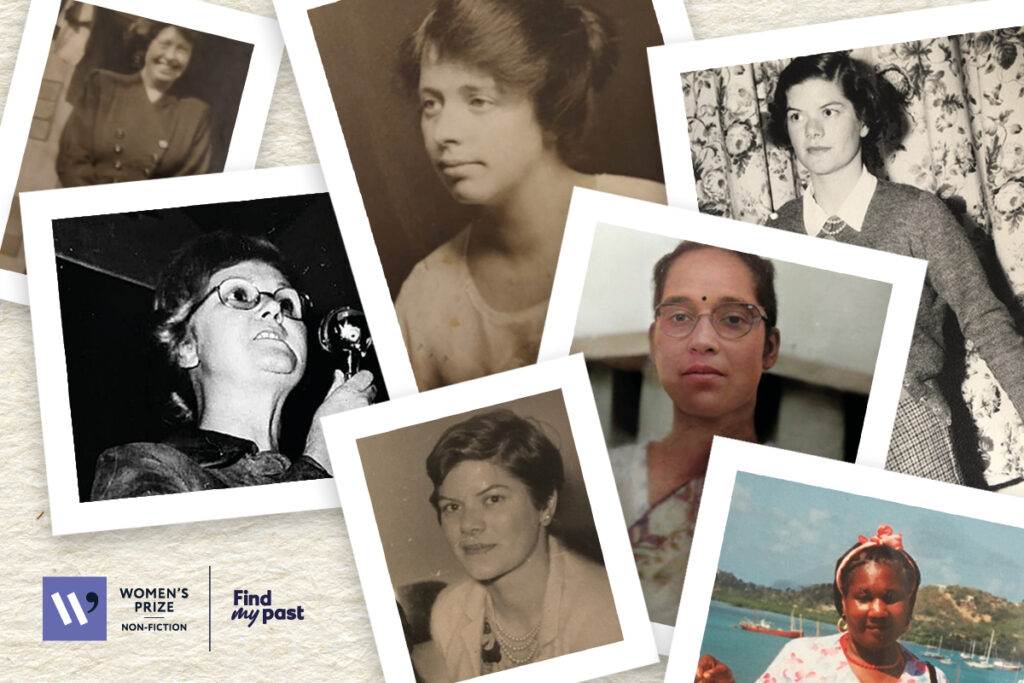
How much do you know about your grandmother’s life? New research shows that up to 90% of us know little about our grandmother’s experiences, leaving large parts of their stories lost to history. Was she a girl who played on Victorian streets? A young woman who stepped into work while the world was at war? A mother who navigated changing times?
This Women’s History Month, Findmypast – sponsor of the 2026 Women’s Prize for Non-Fiction – invites you to rediscover HERSTORY, using school registers, census records, and historical newspapers to uncover the woman she truly was.
In light of this campaign, we asked some of the authors longlisted for the 2026 Women’s Prize for Non-Fiction, to tell us a bit more about their grandmothers or great-grandmothers and how their life stories and personal archives might offer inspiration for their own writing.
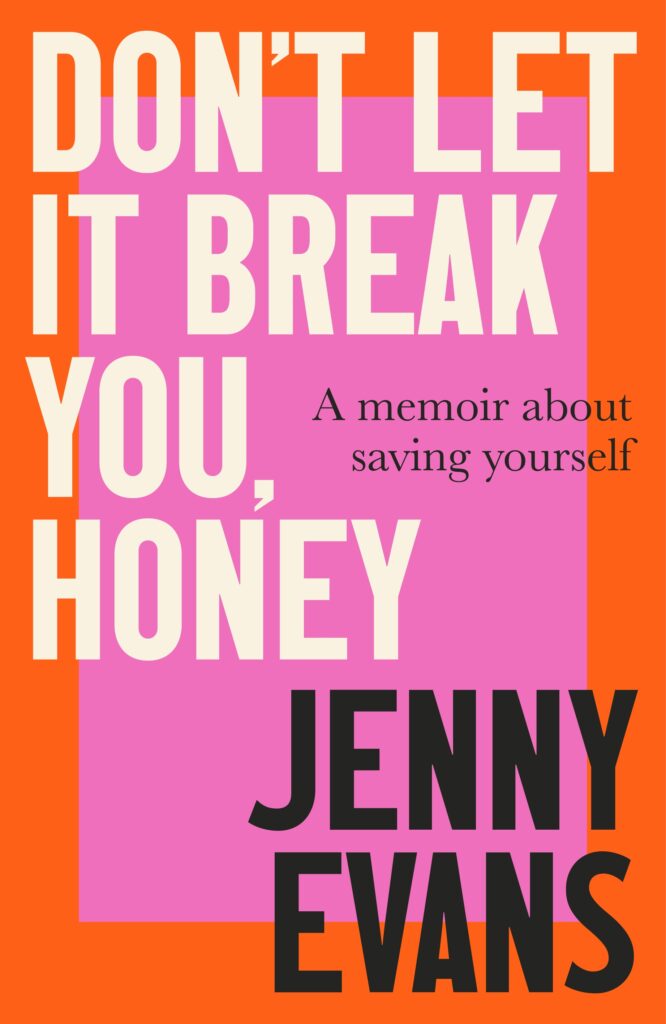
Jenny Evans, author of Don’t Let It Break you, Honey
“My nana — who appears in Don’t Let It Break You, Honey — was born in 1898 and lived a working-class woman’s life in Wales across the late Victorian era, two world wars and a century of social change, dying at 100. I’m fascinated by what a life like that contains: the unseen labour, the endurance, the private codes of dignity. She had her own rituals — she always kept the butter and the Bible by the fire — small domestic details that say a great deal about security, scarcity, and belief.
What I’m most interested in, though, is her relationship with her sister, Winnie. They lived five miles apart and walked to see each other every day. That kind of sustained, ordinary devotion feels quietly extraordinary. I’d love to research their lives as a way of writing about female friendship: how it is formed, maintained and reshaped by work, class, duty, marriage, faith, grief and geography — and how it survives historical upheaval without ever making it into the official record. Writing from real lives like theirs would be a way of honouring the intimacy and strength that so often sits just outside history’s frame.”
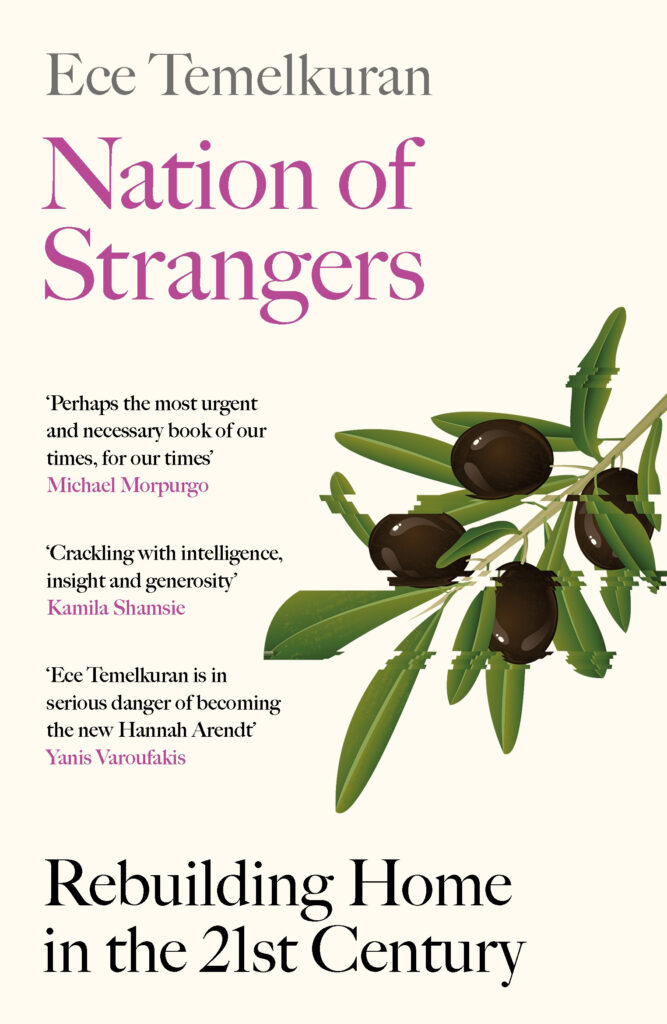
Ece Temelkuran, author of Nation of Strangers
“In Nation of Strangers, towards the end of the book where I’ve written about the solution to the homelessness of the human condition, I told the story of my great-grand-mother and my Nana, my grand-mother on my father’s side. I told the story of these two women – one of them from the Ottoman palace, the other coming from the nomad tradition – coming together to knit lace. Even though they came from irreconcilable traditions and ways of living, they both felt misplaced in this world. Yet, they were still trying to create something beautiful together to hold on to life. Their determination to connect and survive in a world that is foreign to them was one of the inspiring female stories in the book.
In my previous work, Together: A Manifesto Against A Heartless World, I again wrote some stories about my grandmothers. In my earlier work in Turkish, in my novels, they were always present. However, due to the problematic understanding of history in Turkey, I could never truly find my roots. 1923, the year Turkey was founded, was always taken as the year zero where everybody suddenly became Turkish and their history was erased. Whatever happened before that year was considered a fairy tale. This ideological approach to history blurred the past and I always wanted to know more.”
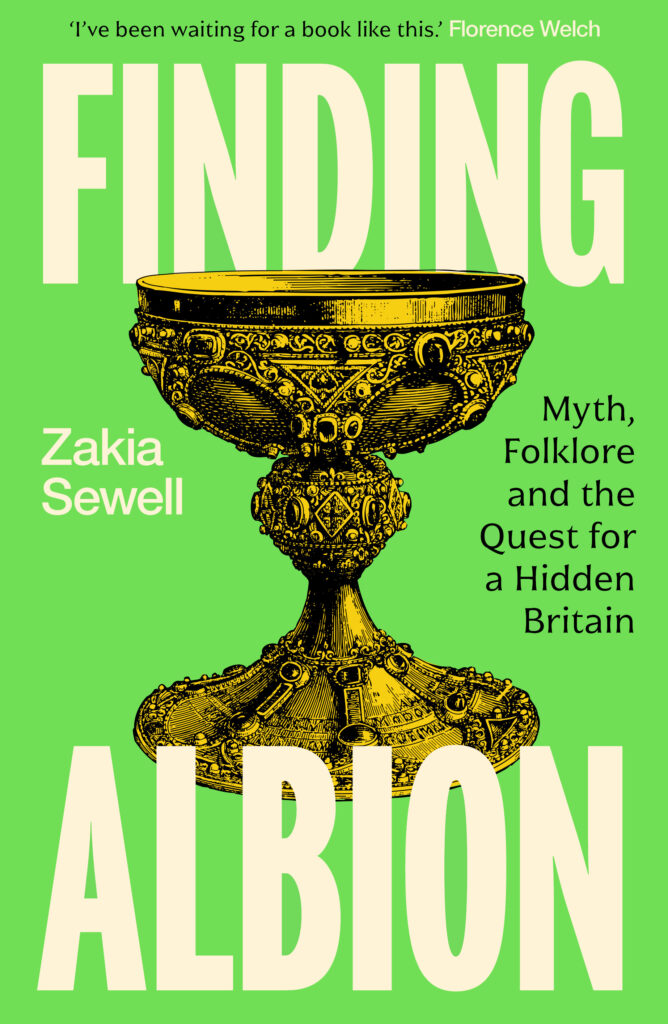
Zakia Sewell, author of Finding Albion
“I’d love my next book to build on the themes I explored in the radio documentary with my mum – My Amey and Me – looking into Caribbean folklore and traditions, ideas of motherhood, ancestral trauma and colonialism. In Carriacou, where my maternal grandparents are from, ‘the ancestors’ are extremely important and are frequently honoured in rituals by living relatives – I’d love the opportunity to learn more about my Caribbean ancestors and to write about the ways in which their lives and struggles have impacted my mum’s mental health and our relationship.”
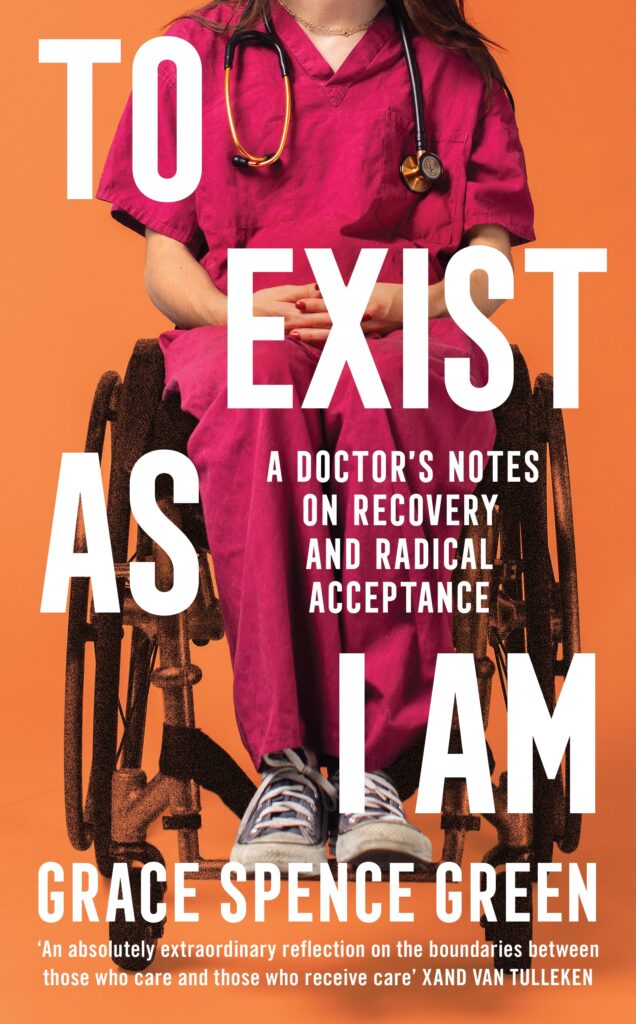
To Exist As I Am: A Doctor’s Notes on Recovery and Radical Acceptance
by Grace Spence Green
Find out moreGrace Spence Green, author of To Exist as I Am
“While writing To Exist As I Am I thought often of my grandmothers, who lived in the same small town. I always wondered what it was like for my great grandmothers migrating from Norway and the UK to a tiny Australian island by boat.
As someone who lives (very!) far from the rest of my family in Tasmania, I am so curious as to what life was like for them when they were my age, particularly as my grandmothers both worked in healthcare like me. I was injured after my Mama passed, who was a paediatric occupational therapist, and I can only imagine all the conversations we would have had if she was still alive, all the insights she would have given me as she mostly worked with disabled children. To learn more about her working life would make me feel much closer to her.”
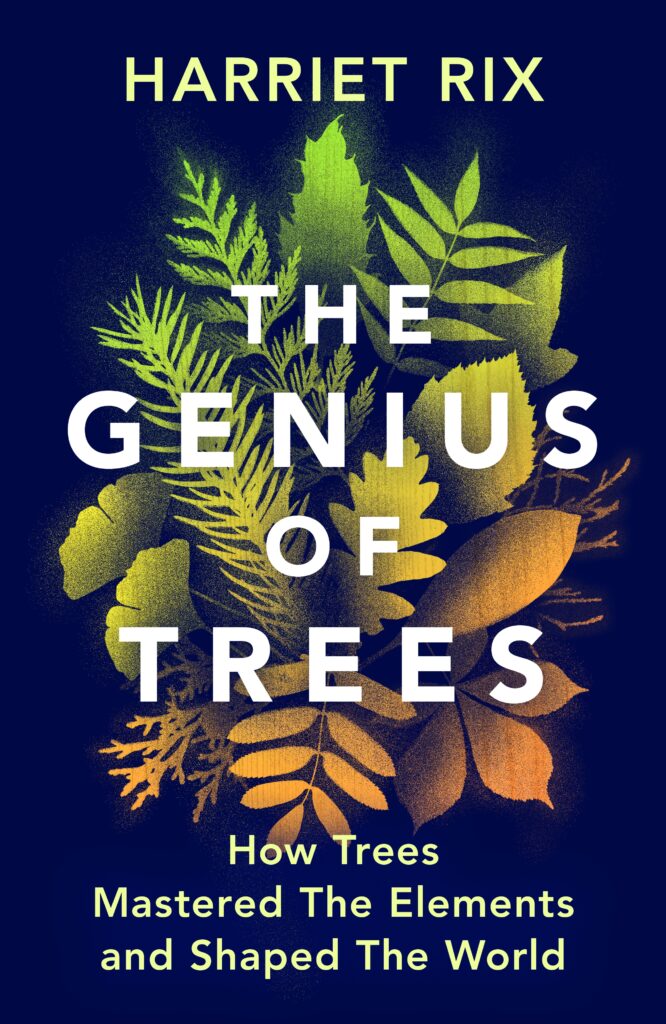
The Genius of Trees: How Trees Mastered the Elements and Shaped the World
by Harriet Rix
Find out moreHarriet Rix, author of The Genius of Trees
“My grandmother was a big inspiration while writing my book, because her family were linked into a long tradition of woodcraft. My grandmother on the other side knew the writer Daphne du Maurier and almost died of TB, but I never met her and would be very interested to research beyond the bare facts of her life.”
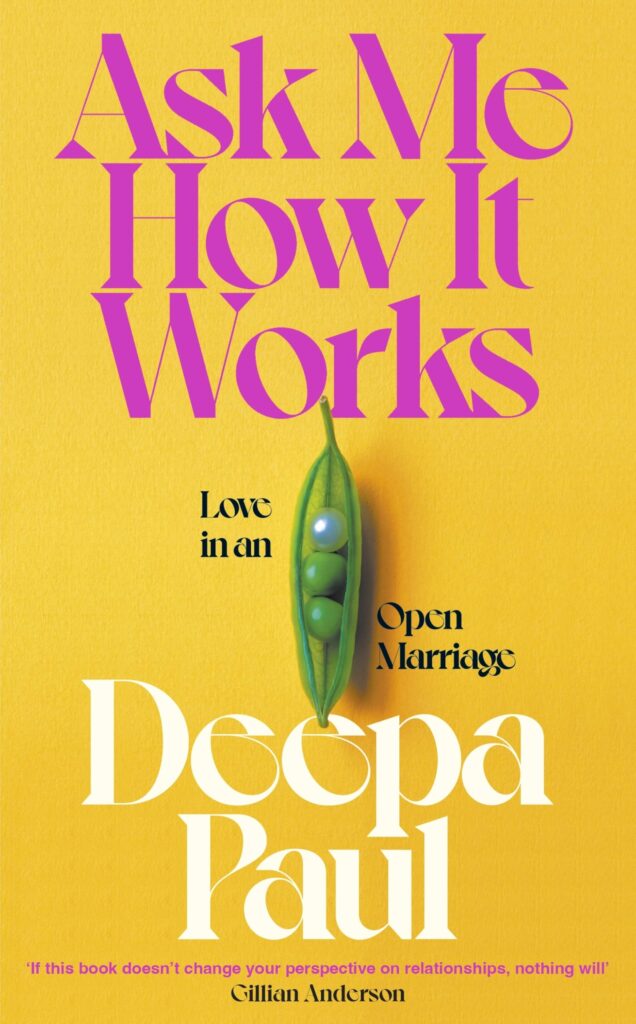
Deepa Paul, author of Ask Me How It Works
“I see myself as a daughter of stories. From my Filipina grandmother, I learned that stories are magic. From my Indian grandmother, I learned that if you write something down, someone will want to read it. And from my own mother, I learned that the way you love shines through in the stories you tell. Their stories are rich, but the heritage of storytelling they gave me makes me the writer I am today.
My Filipina grandmother was a major in the civilian guerilla resistance against the Japanese occupation of the Philippines in World War II. My Bengali grandmother walked three days from what is now Bangladesh to West Bengal in India during the Partition, the largest forced migration of the 20th century, likely while pregnant with my father. Both of them and many of their contemporaries have passed, which makes the work of research that much harder. I would love to use their stories either as material for a collection of essays, or as the basis of a fictional work spanning multiple generations of strong women.”
To discover your grandmother’s story, explore the range of records available on Findmypast today.