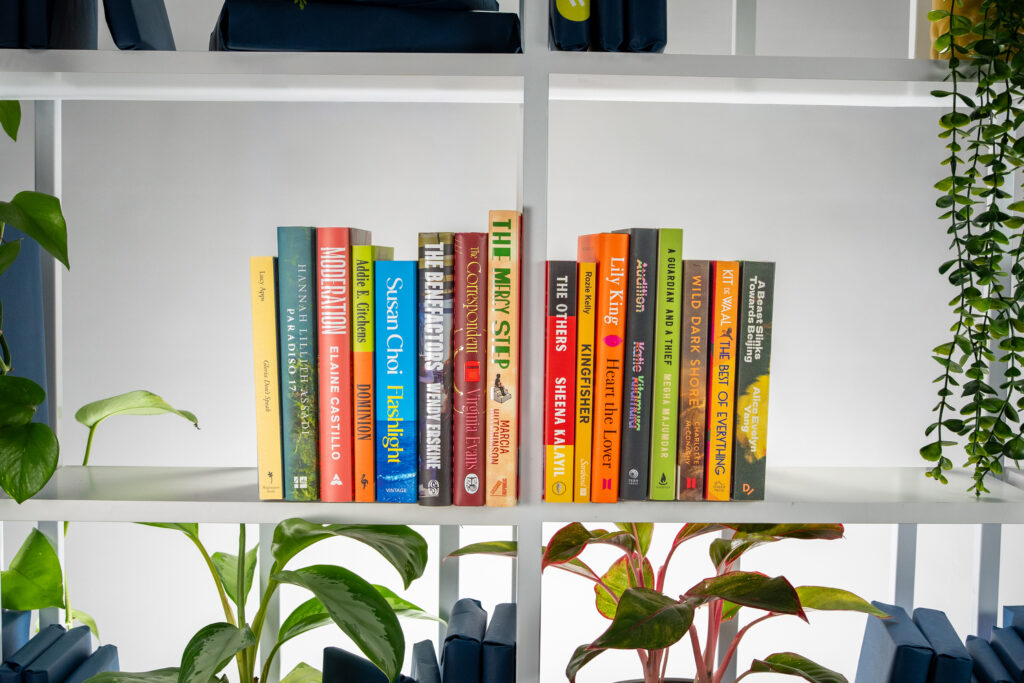
Need a boost of inspiration? We asked the 2026 Women’s Prize for Fiction long- and shortlisted authors for their best pieces of advice for aspiring writers.
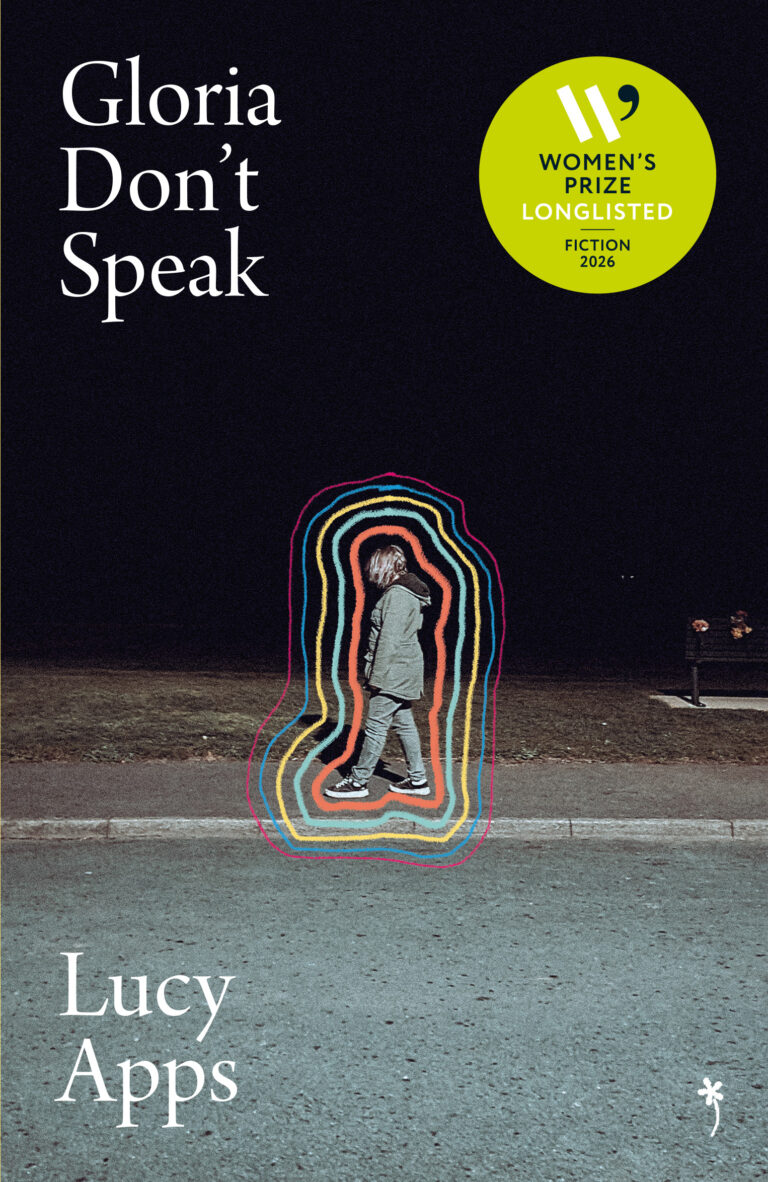
Lucy Apps, author of Gloria Don’t Speak
“Write because you love it”
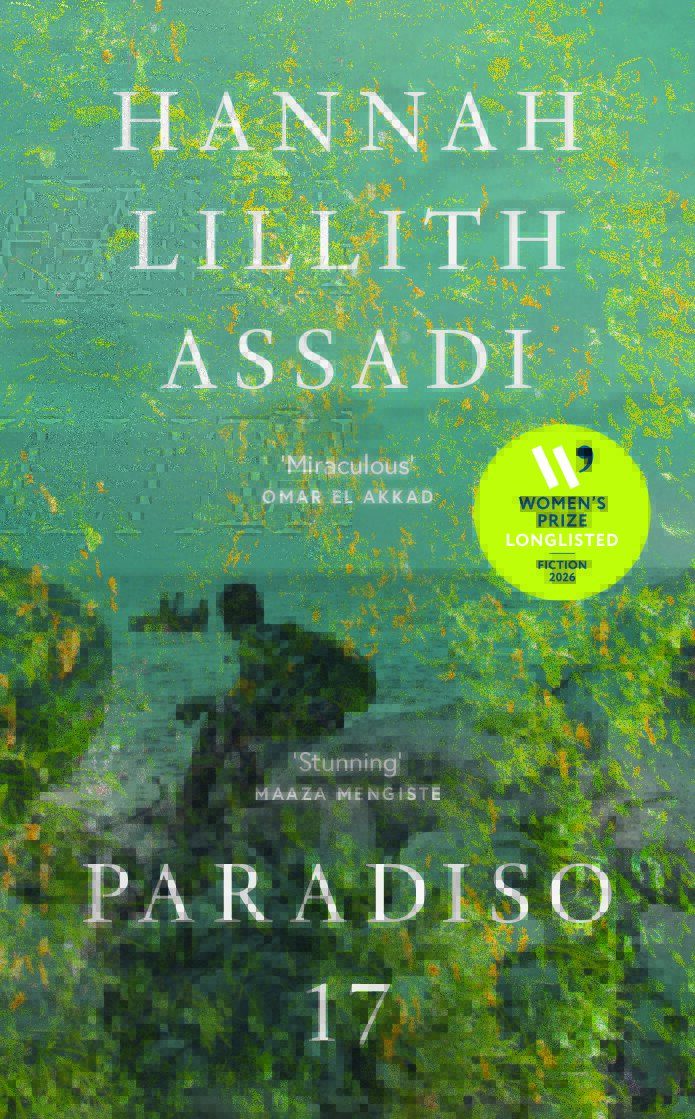
Hannah Lillith Assadi, author of Paradiso 17
“Don’t ever give up.”
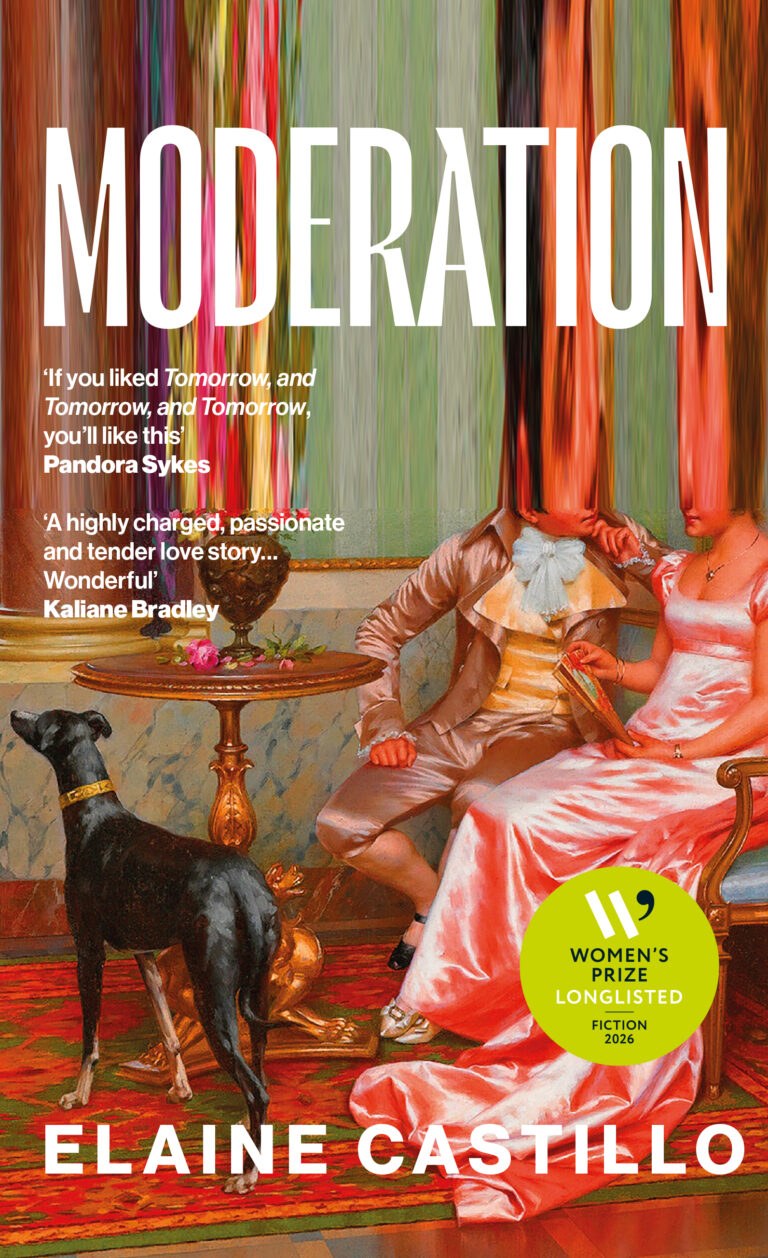
Elaine Castillo, author of Moderation
“One thing is to develop a practice of reading the world – not just books, but film, television, the news, your community, the world around you – in the specific way only you can, so that unique readership infuses every part of your writing. It seems to me that being alive to the world is the only way to make writing that feels alive to it, too. I love what I do, and I think of that love as a galvanising and concentrating force – one that makes what you write, and why you write it, come alive with meaning. Clifton Fadiman once wrote about Tolstoy, in the foreword to War and Peace, that “he knows a great deal but it is his enormous capacity to love what he knows that makes his knowledge live for us.” So love what you know, enough to make your knowledge live for us.
The other thing is something I often say: use your strengths, and play to your weaknesses.
By that, I mean: all writers have things we naturally gravitate towards, artistically, conceptually, emotionally – places and stories that are familiar to us, mediums that come naturally, rhythms that flows with ease, specific preoccupations that we return to year after year, story after story. But at the same time, there are also practices a writer will tend to find slow-going and difficult; unmapped narrative forms that feel like only monsters reside there; rhythms that make a writer feel not natural, brilliant, and elegant, but mawkish, awkward, and exposed. Both are necessary. If you only ever rely on your strengths, you’ll never really grow, and you’ll tend to start going around in circles with your art, tracing the same lines you’ve already traced. But if you only seek to confront your perceived weaknesses, you tend to only ever work in a reactionary mode – making art only to shake the foundations, not build them. Moving between these feelings – confidence and trepidation, knowing and unknowing, wisdom and uncertainty – is usually what builds a soul. It’s also pretty good for art.”
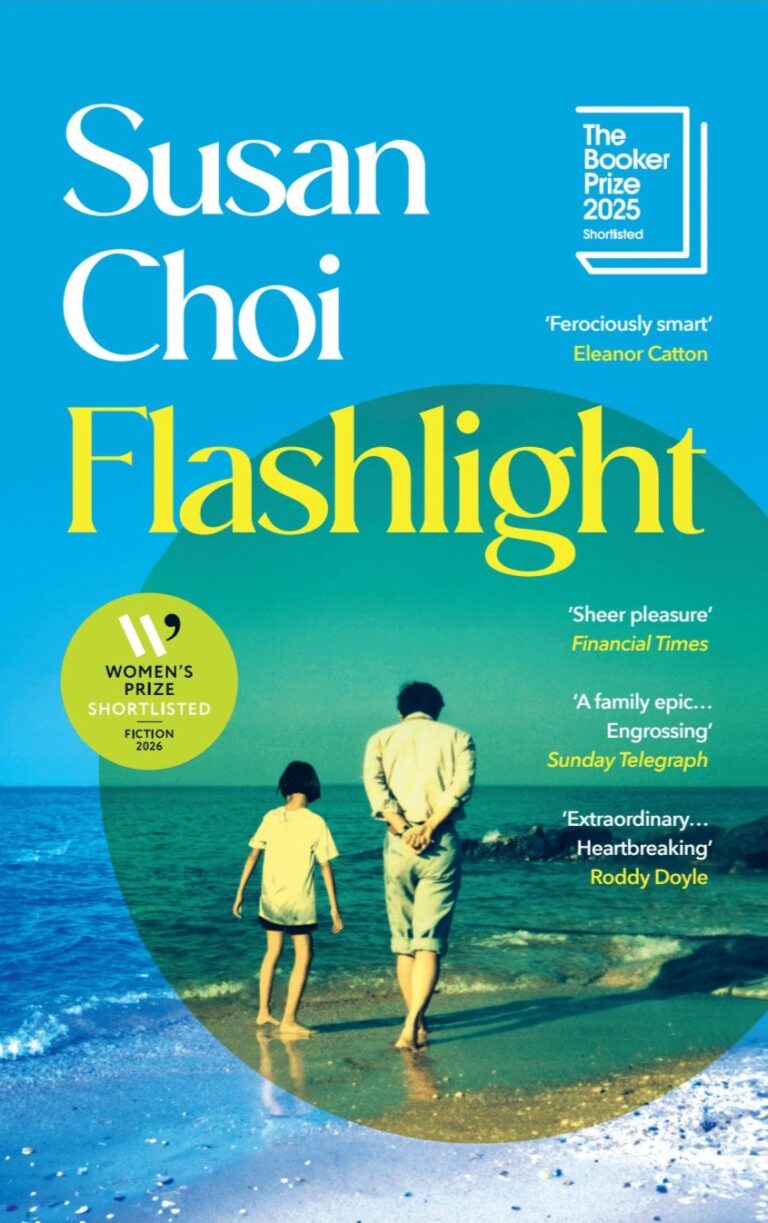
Susan Choi, author of Flashlight
“Write consistently, and write for yourself. If you do that, the odds are you will end up producing something you like that others find of value too.”
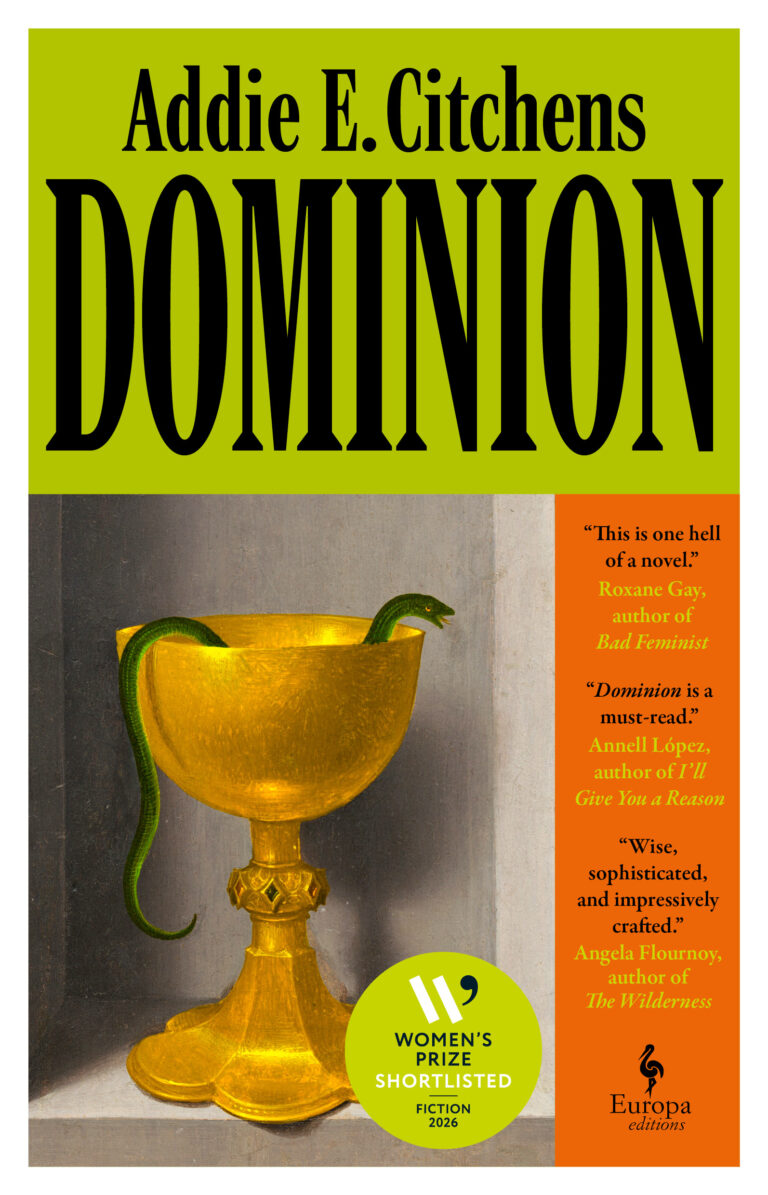
Addie E. Citchens, author of Dominion
“Treat your writing like a profession, and you won’t write like an amateur.”
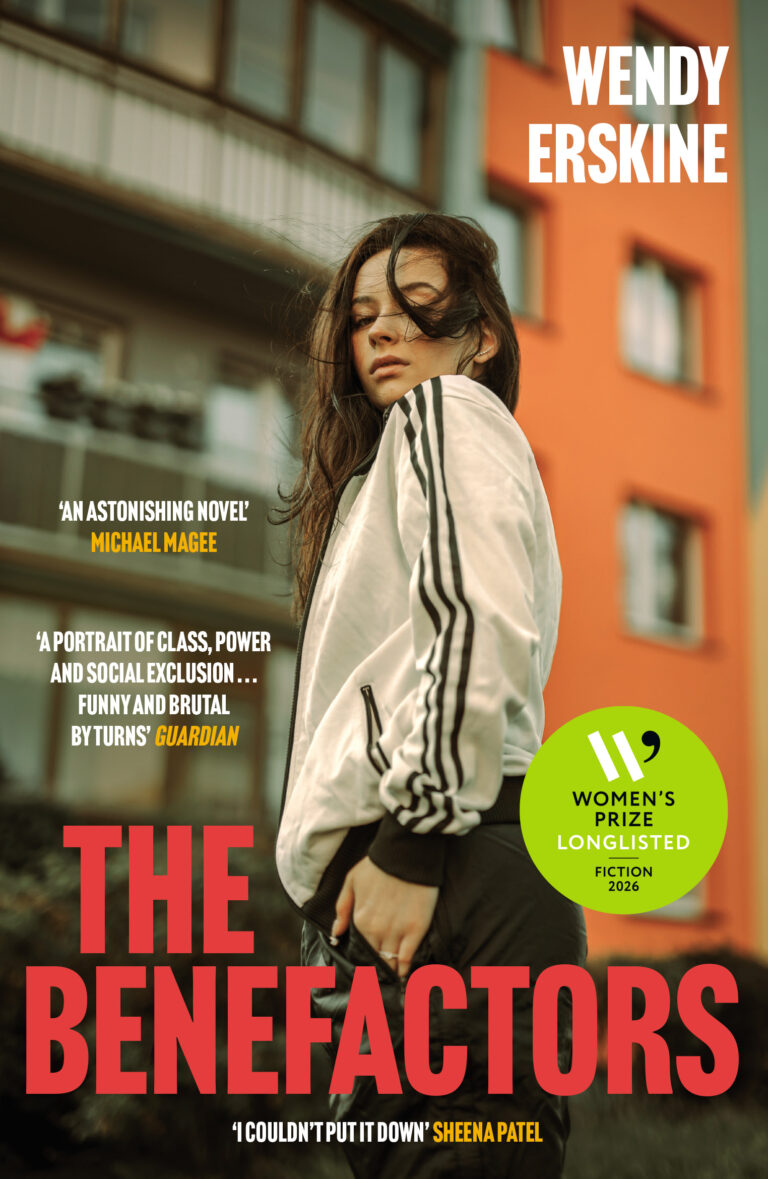
Wendy Erskine, author of The Benefactors
“I return every time to Zola’s definition of art as a ‘corner of creation seen through a temperament.’ Sure, you can learn various techniques in terms of writing but what you can’t necessarily be taught is a way of looking at the world. That’s your own. And that is what you need to hold on to.
A little less cosmic is my advice that you shouldn’t worry too much about editing on the sentence level until later on in your process. It can be dispiriting, at the beginning, to spend hours on this. I would advocate getting material down on the page and then seeing a little later what might be made of it.
Finally, don’t be too hard on yourself, day to day. Try to do what you can. My dictum comes from Five’s Keep on Movin’: ‘I know it’s not much but it’s okay, We’ll keep on movin’ anyway.’ But at the same time, long term, be utterly committed to producing something you are proud of.”
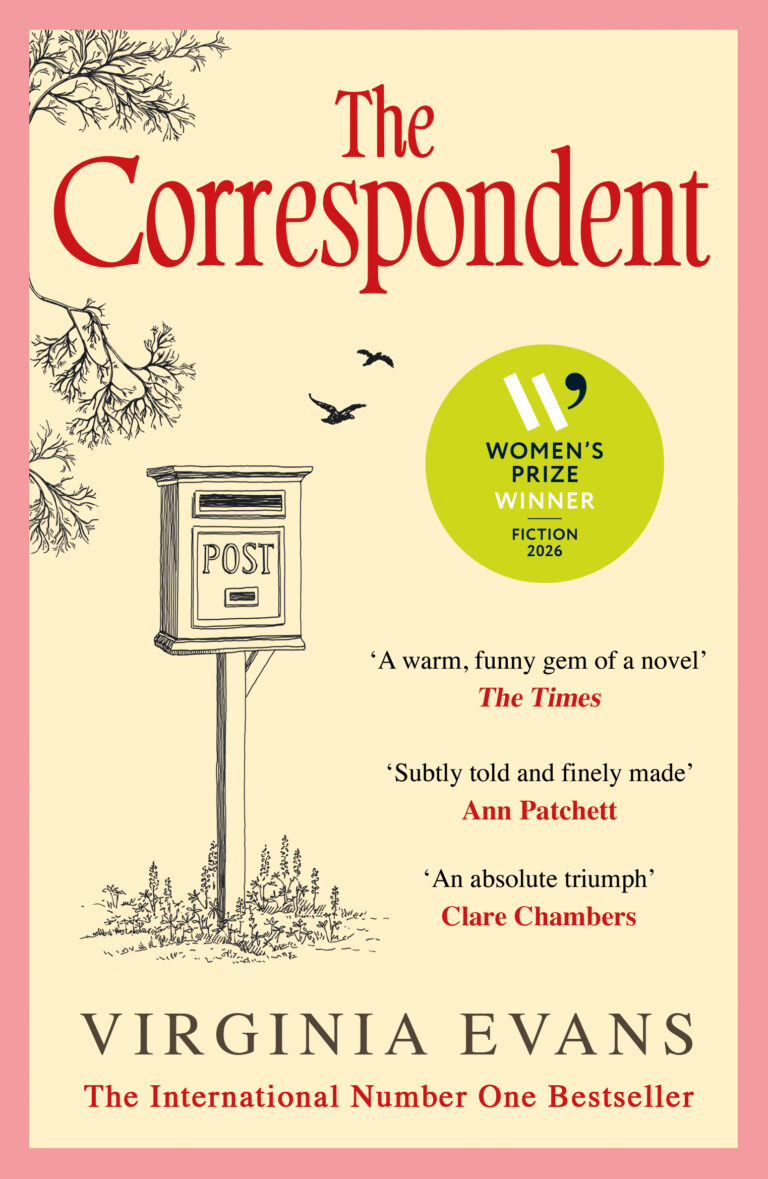
Virginia Evans, author of The Correspondent
“You have to keep going. Ann Patchett said in her essay The Getaway Car that writing a novel is like a long channel swim in the dark. Cold, lonely, maybe frightening. You have to keep going, stroke by stroke. I think the middle is the hardest. The middle is when it’s most tempting to throw it out, but you have to keep going. The only way out is through. And always, when you get to the end of a draft, print it. There is something about holding the thing in your hands.”
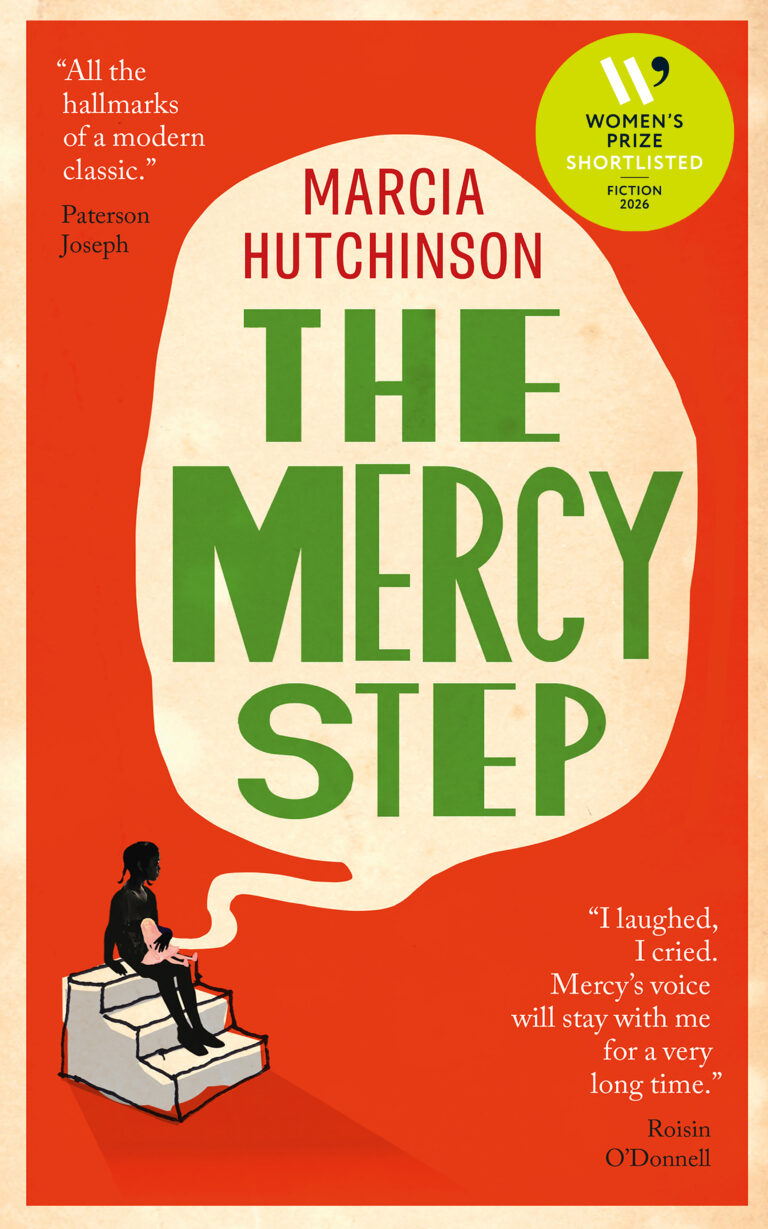
Marcia Hutchinson, author of The Mercy Step
“Whatever you do, don’t give up. I started writing after university but didn’t get anywhere, and then there was a 25-year gap when I got married, raised children and built a life. I returned to writing again in 2018, still it took another five years to secure a book deal. You never know when your moment will come so just keep going. Even if you don’t get a book deal you will have produced work that can be adapted later. Make sure you spend time with other writers; very few people can write and edit in a vacuum. And lastly there is no one way to write, take your time to find your own style.”
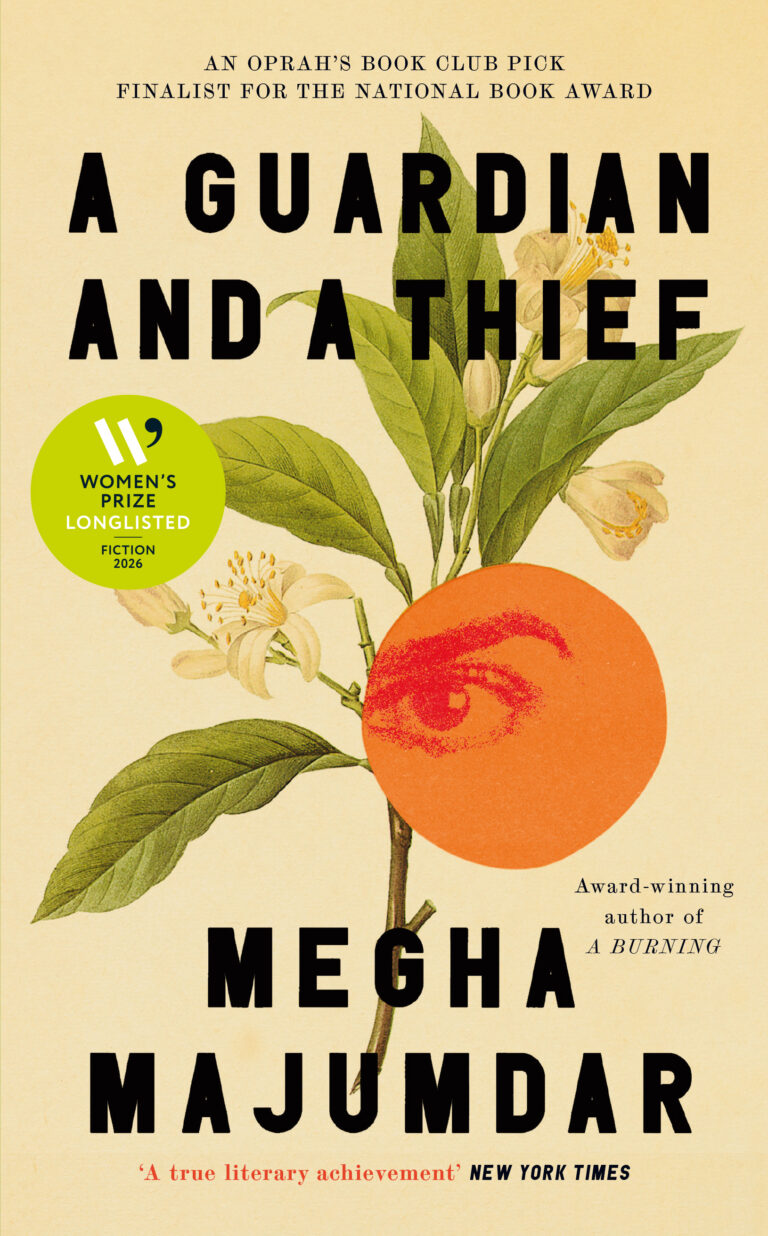
Megha Majumdar, author of A Guardian and a Thief
‘Don’t let failure on the page turn you away from what you want to say. Feel the disappointment. Let it show you something about the path you’ve been on and the path ahead. Then continue on. A gorgeous draft will come after many, many failed drafts.’
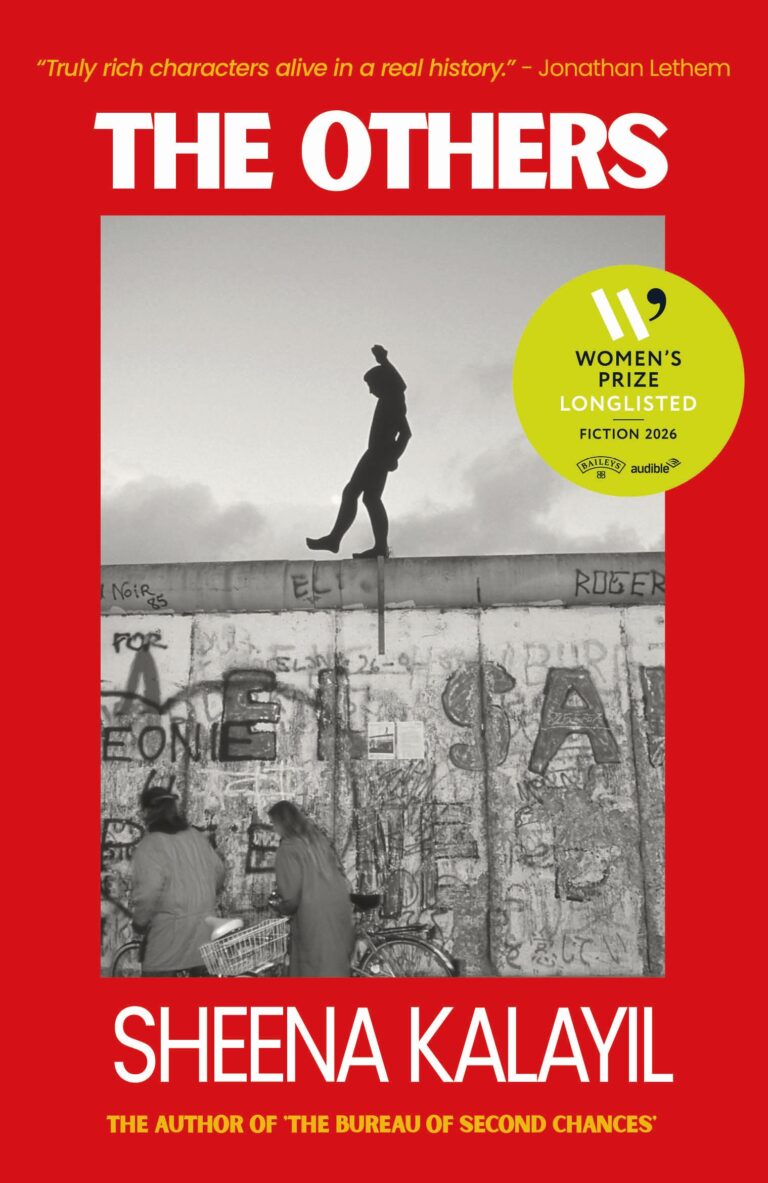
Sheena Kalayil, author of The Others
“Keep the day job and use the day job to learn and grow – and it will nourish your writing rather than detract from it.”
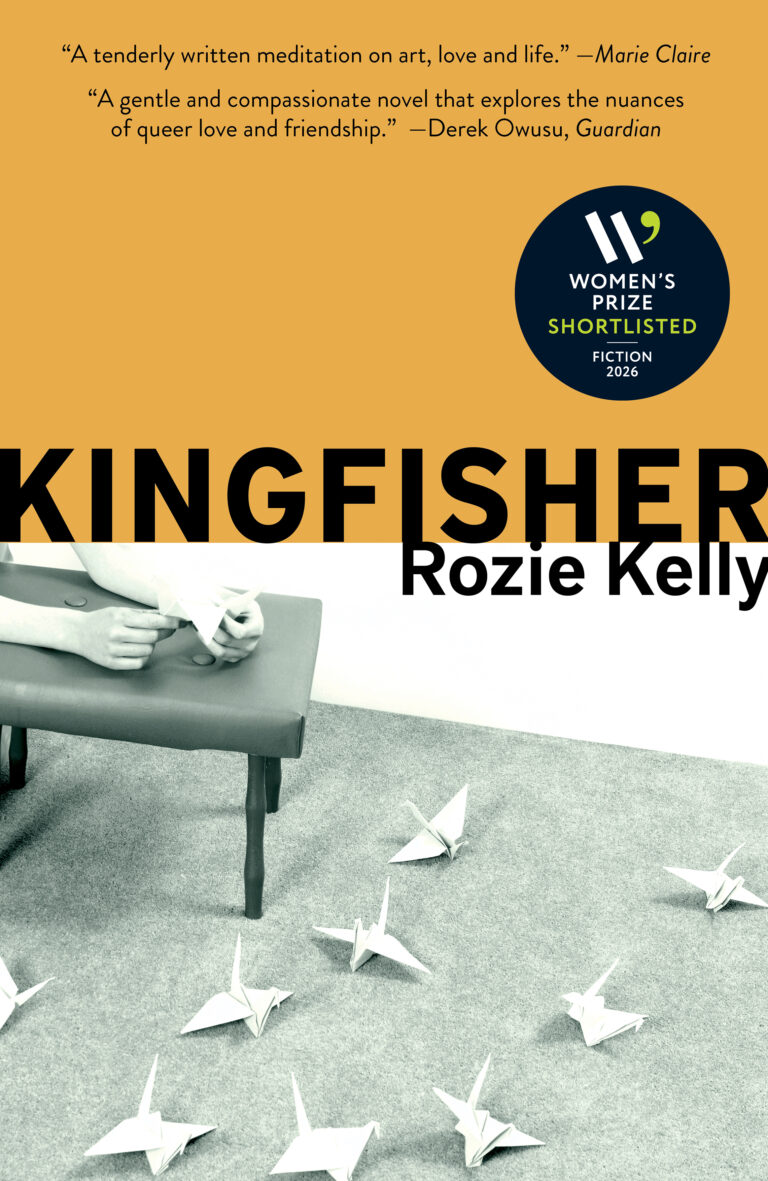
Rozie Kelly, author of Kingfisher
“Beyond anything else, keep going. Collect drafts and rejections like your life depends on it. Do it when it’s the last thing you feel like doing as well as in the moments it feels free and easy and delicious. Work it like a muscle, sometimes you won’t get the endorphins until afterwards when you’re exhausted and sore but it will always be worth it. And read. Read widely. Then read some more.”
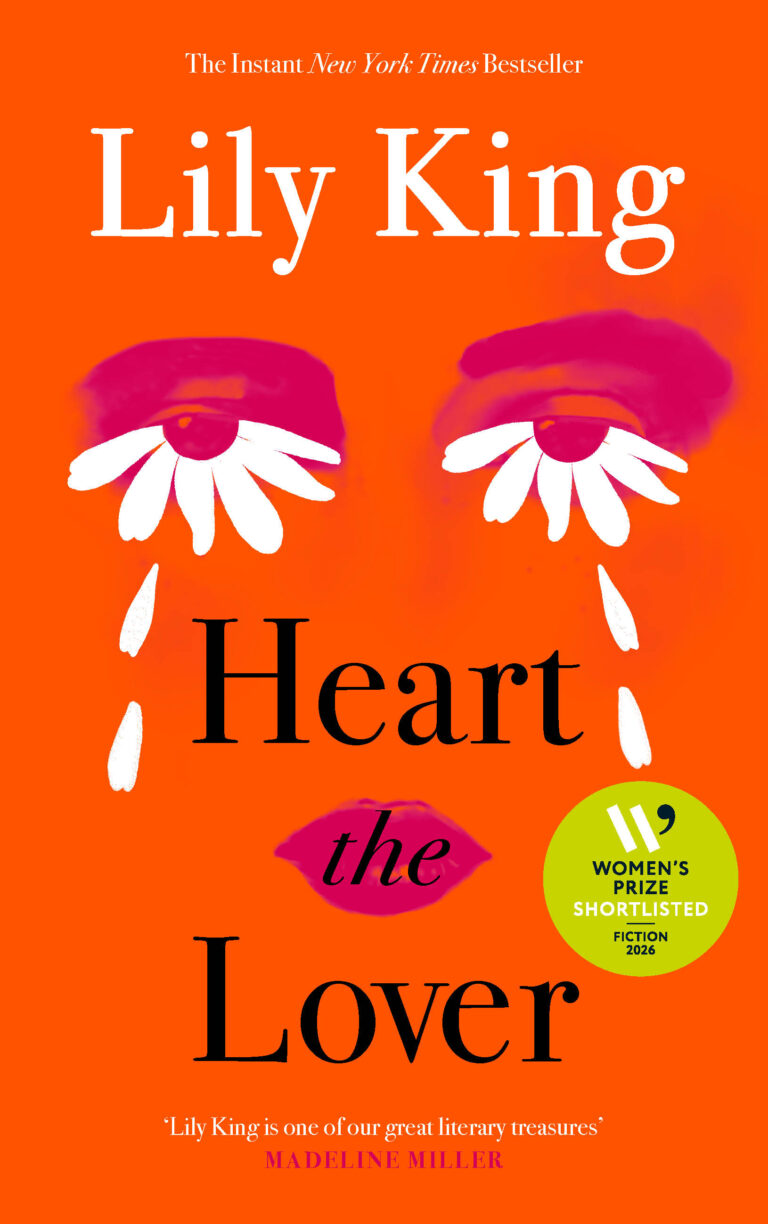
Lily King, author of Heart the Lover
“I often quote the Nike ad, ‘Just Do It’. Writers can invent all kinds of reasons not to write. There’s research to be done or errands to run or an uninspired mood to overcome. But writing does not happen unless you write. And when you start writing you must get that critic, that judge, inside you to leave the room. The critic is not invited to the writing of the first draft. That draft is for the creator to be messy and exploratory and have fun without being told it’s bad. Later the critic can come back in and help out. Another piece of advice I try to give aspiring writers is that they own their own stories. Fiction, nonfiction, their stories are theirs, no one else’s. And they are not responsible for anyone’s feelings about the stories they write. It is not their job to protect everyone they know. It is their job to tell the story they have in their gut that needs to come out.”
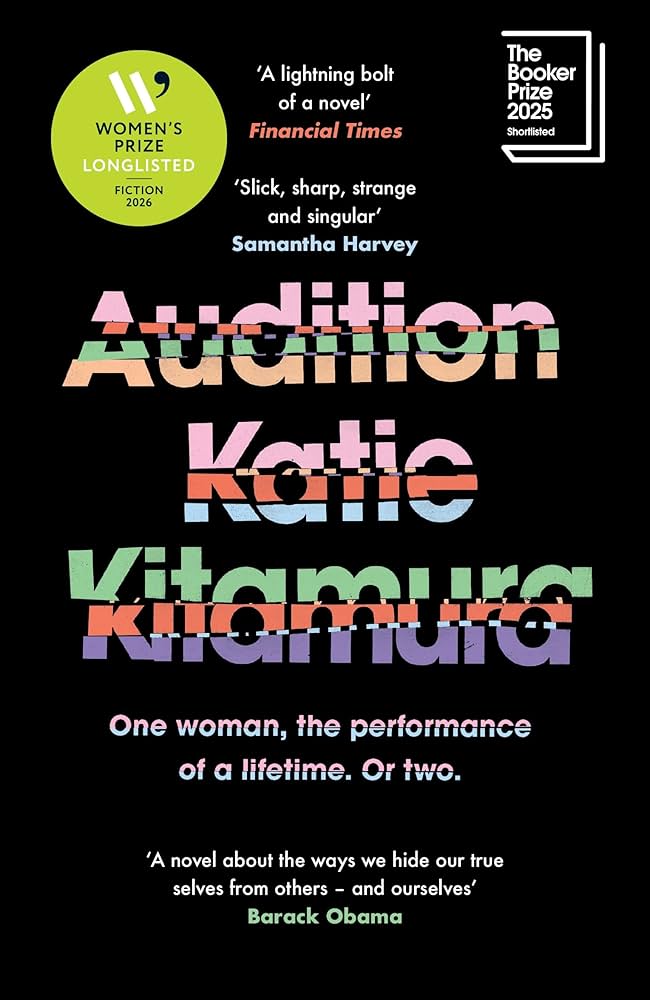
Katie Kitamura, author of Audition
“You have to keep doing it. Usually, the only thing that separates a writer from a non-writer is simply the fact that the writer keeps writing.”
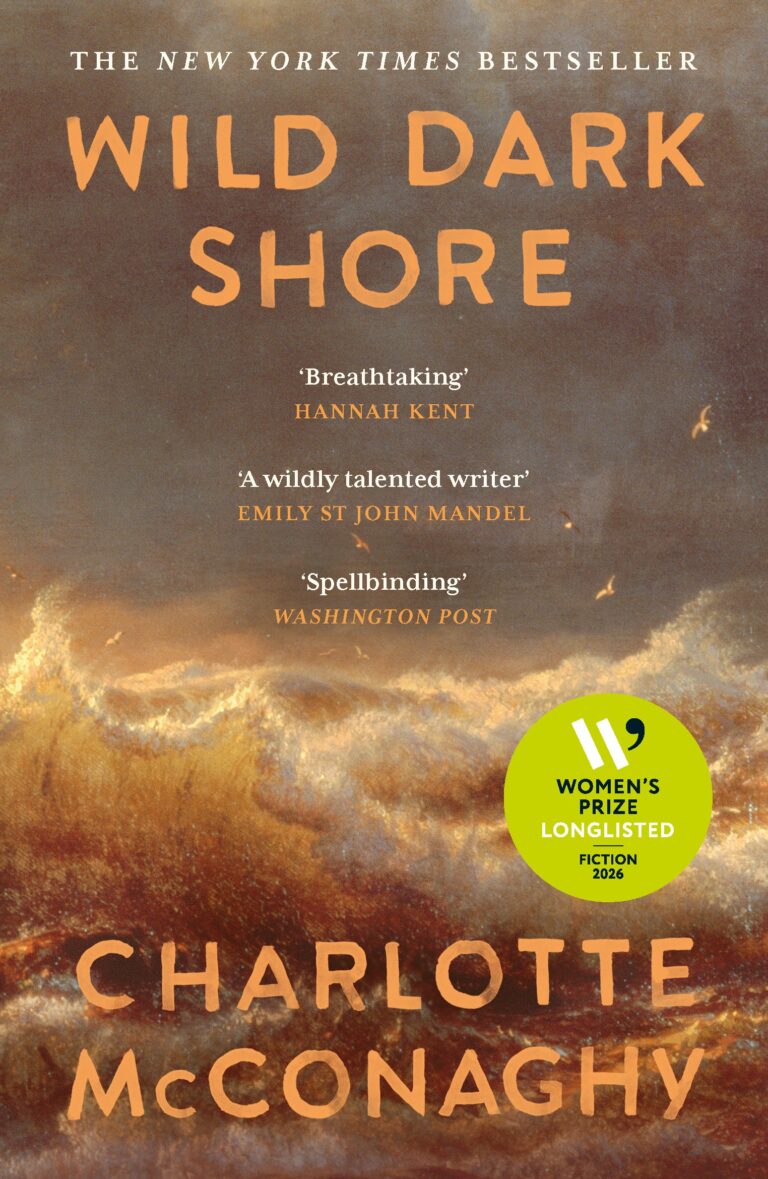
Charlotte McConaghy, author of Wild Dark Shore
“Always write the book you most want to read. It is impossible to understand or predict changing literary trends, and I think writing with audience too much in the front of your mind becomes a hindrance. Instead, if you pour all of your passion, everything you love, everything you fear, everything that enrages you or inspires you, if you put the truth of yourself into your writing, then that personal specificity becomes far more widely appealing. If you aren’t feeling your writing, nobody else will either.”
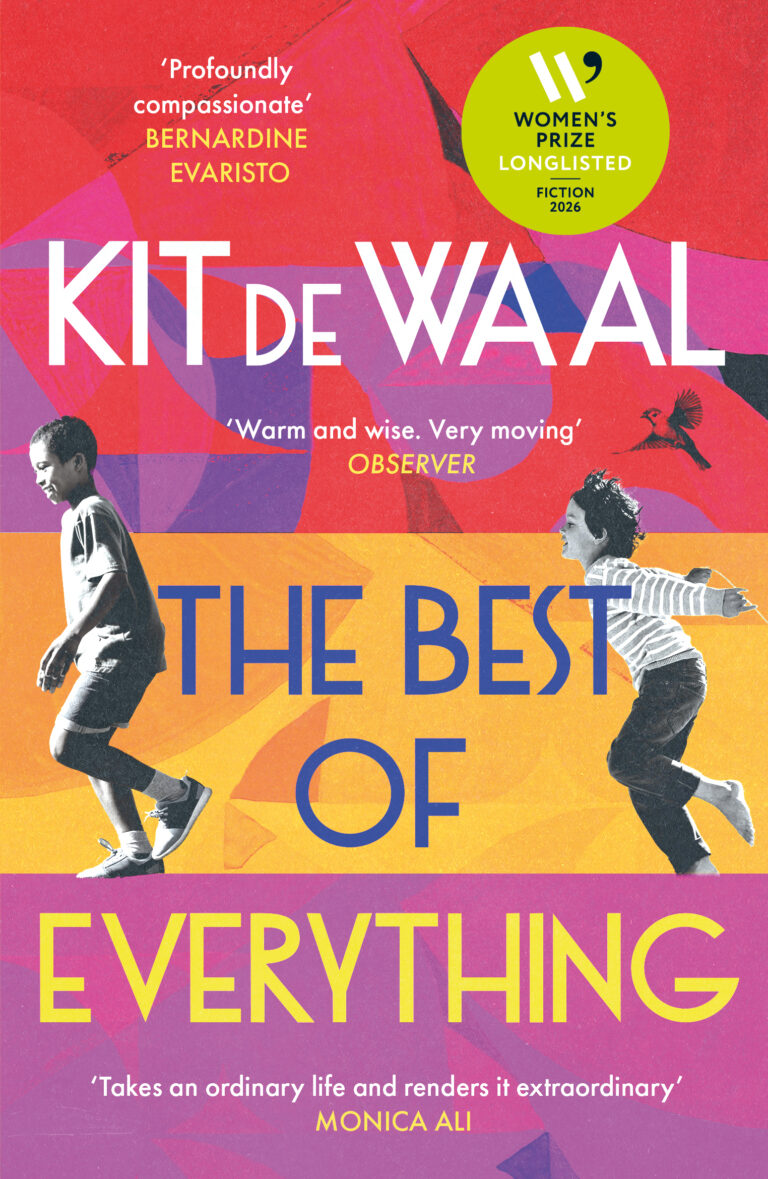
Kit de Waal, author of The Best of Everything
“Learn the craft. Find out the ingredients of a good book – your favourite book maybe – and dissect it. Find out why it works, disassemble it, try and see the building blocks and then copy it. Copy it in a short story or a piece of flash fiction, mimic the cadence and style and voice. Then leave it alone and see where you and that book or that author overlap. In that overlapping is you the writer and that is your voice. Write you book from that place.”
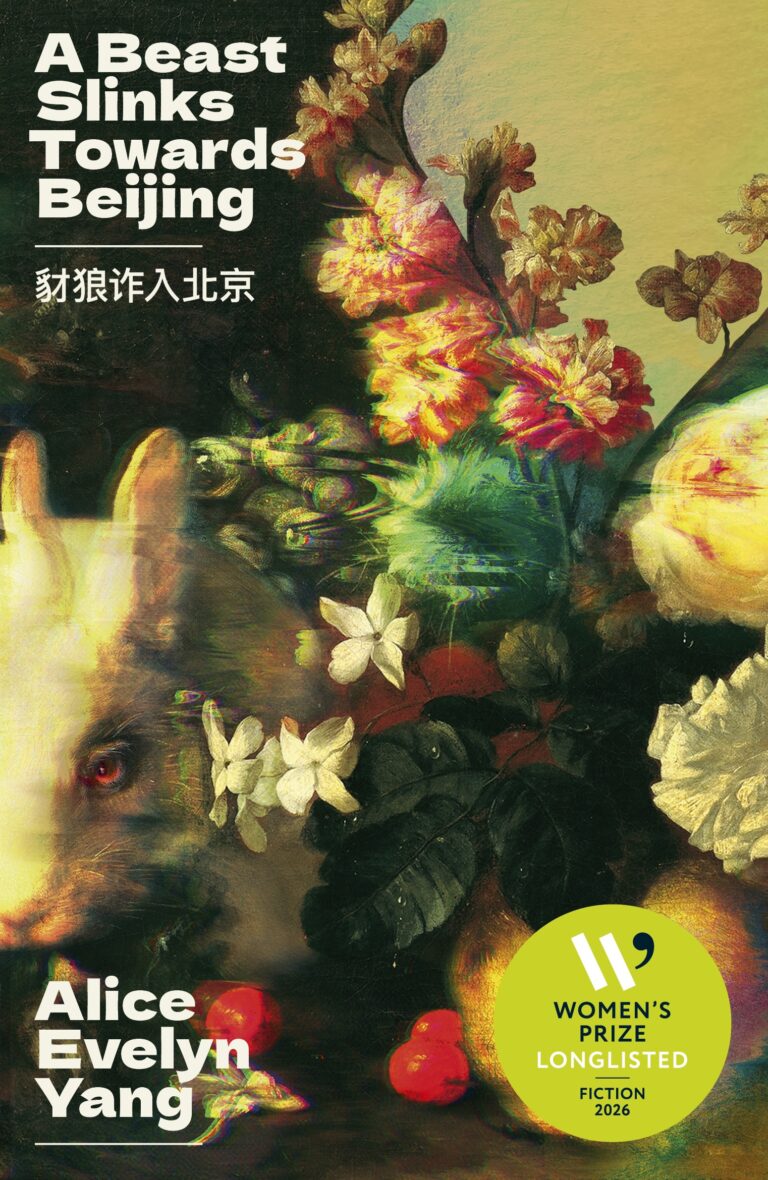
Alice Evelyn Yang, author of A Beast Slinks Towards Beijing
“I remember the desperation I felt towards the end of my drafting process for A Beast Slinks Towards Beijing. I had poured so much time into it, and I was burnt out and coming up against a wall, but I still forced myself to continue. I wanted to be done with the book, to feel it as a finished object, even though I knew innately that what the book needed was time. My friend and fellow author told me then, “No one ever reads a book and thinks, ‘Wow, I wish the author had spent less time on this.’” This helped me take a step away from the work and rest, so I could return to it with fresh eyes. So many of the works I admire have been years, even decades in the making. One of my favorite books, “Pachinko” by Min Jin Lee, took three decades to research and write, and that time and care shows in the story. Sometimes, in my drafting process, I felt like I had to claw myself as fast as I could to the goalpost of a complete manuscript, so I could then claw myself to the goalpost of publication, but now, having just had my book launch, I am so glad that I took the time to shape the work into something I am proud of. I’ll cherish this work in its current form as a testament to the writer I was in my early twenties: willing to adapt, willing to try.”
The 2026 Women's Prize for Fiction Longlist
The 2026 Women's Prize for Fiction Shortlist