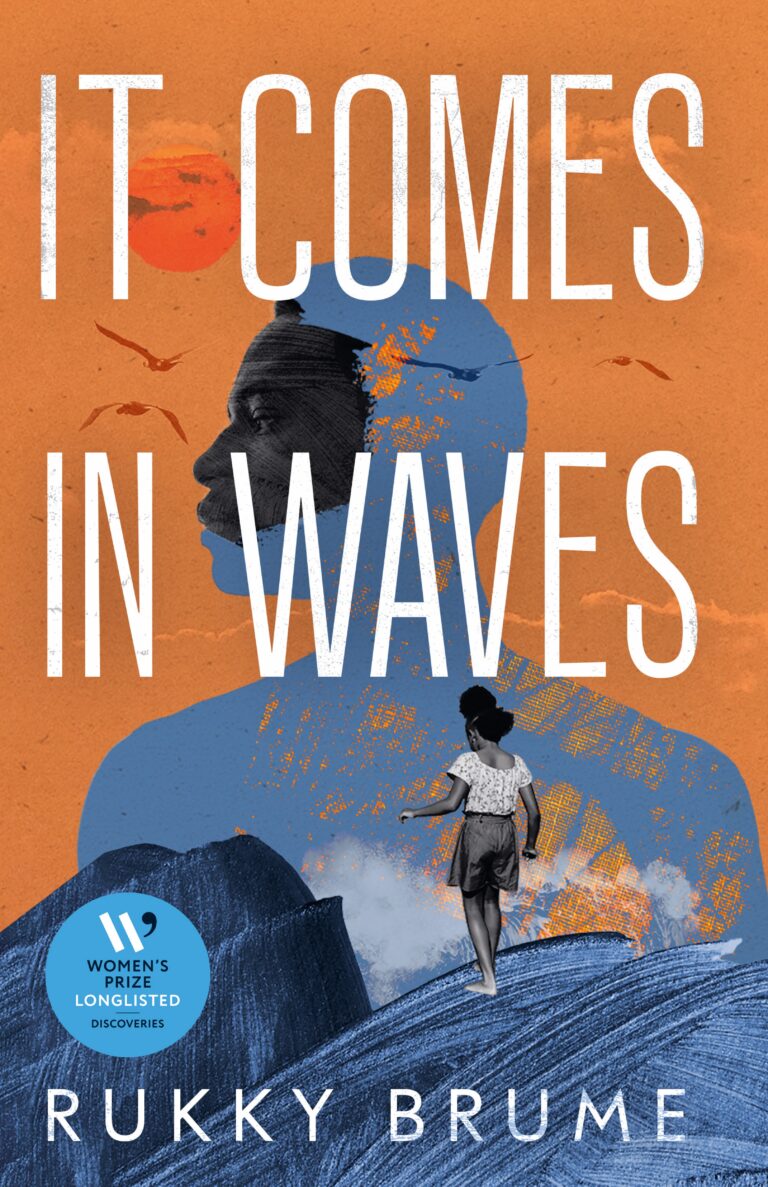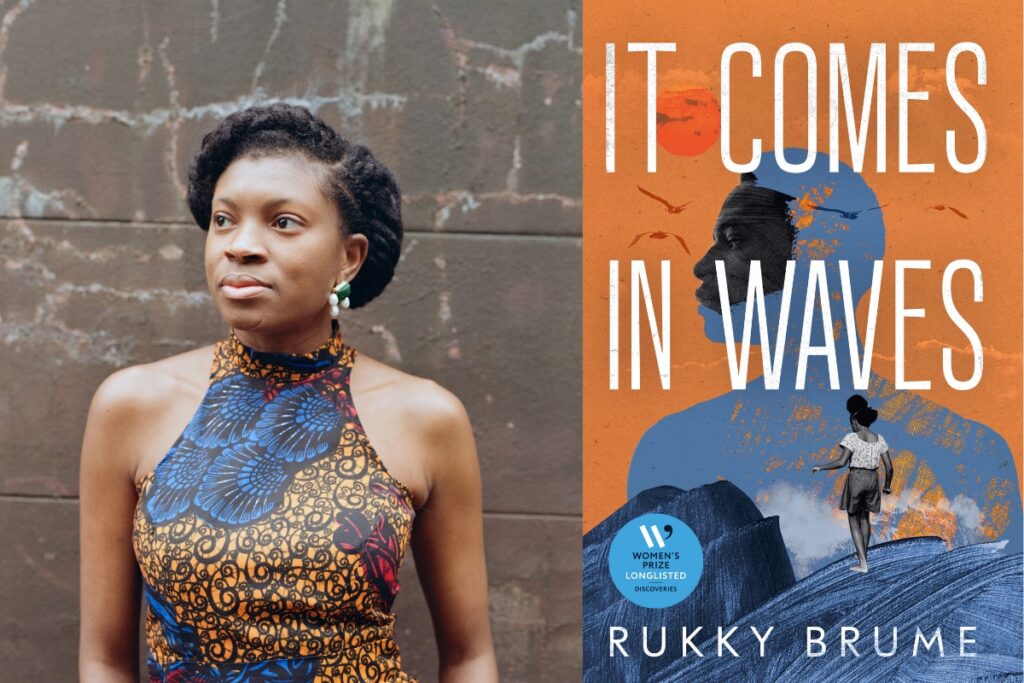
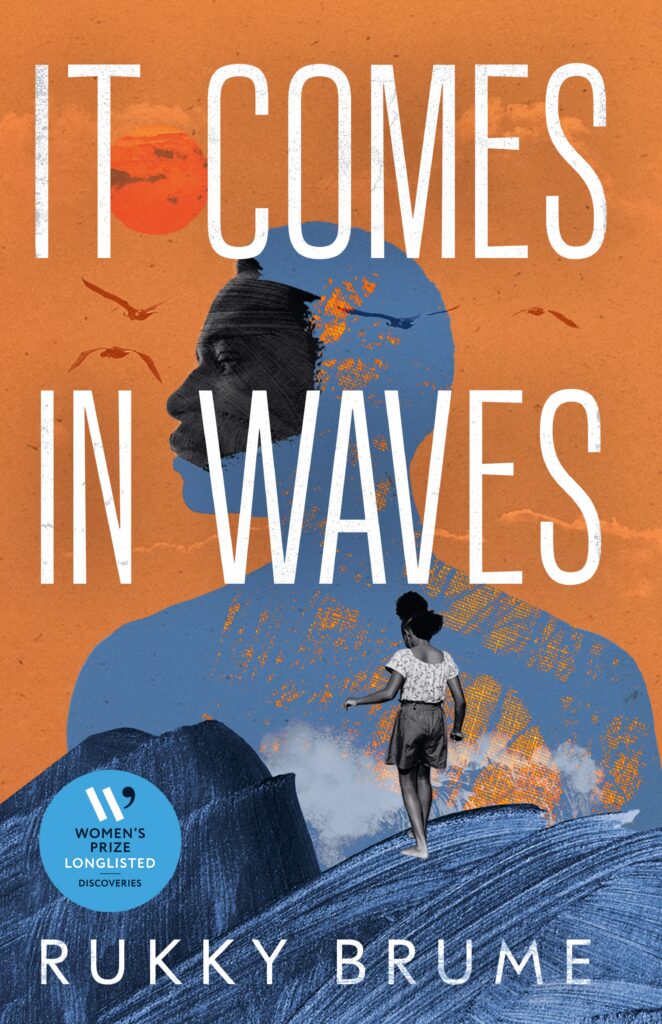
In 2021, finance lawyer Rukky Brume submitted an extract of what would become her debut novel It Comes in Waves to our writer development programme and prize, Discoveries. While her day job may not be what people expect, Rukky shares with us how her first career has made her a better writer.
It’s come up in writing circles: the day job. When I say I work as a finance lawyer, eyebrows go up and I see a brief struggle to reconcile the image they had of me seconds before with this fact. I’ve come to realise that people think lawyers are boring, the antithesis of free-spirited expression. For all the efforts of American TV shows to glamorise law firms and make mergers and acquisitions or derivatives sexy, the stiff, buttoned-up reputation persists. So when other writers find out that one of their own belongs to the tribe of stiff, buttoned-up lawyers as well, they are naturally confused and maybe even suspicious. Over a decade in the legal industry means I’m well placed to offer a corrective: being a lawyer has added richness to my writing life.
Working on the umpteenth draft of my debut novel, It Comes in Waves, I thought: I’ve been preparing for this. All my years drafting contracts, writing and re-writing until each document had a pleasing shape, until the words were clear and unambiguous, they gave me skills that I hope show in my novel – the shape of it, the precision of language, the clarity of thought.
During my legal training and later, as a junior lawyer, I remember being affronted when partners made changes to, or had comments on, my drafting. I took great pride in being good at English and writing, so seeing notes scrawled all over my beautiful draft documents made me bristle. Sometimes, the notes or amendments were technical, at other times they were merely stylistic. Those notes prepared me for the ones I would get in editorial letters while I was editing It Comes in Waves. Once I’d got over myself (and my pride), I would separate the stylistic from the technical comments and work on making the story stronger.
Proofreading in my junior lawyer years also prepared me for proofreading It Comes in Waves. I didn’t catch everything because I’m not perfect, but it’s team work, just as it is in the legal arena, so there were extra pairs of eyes ( proofreader, copy editor) to cover my lapses.
Aside from the skills mentioned, lawyering demands creativity in finding solutions to legal issues, in analysis and interpretation of the law. I’ve spent years working with vibrant people who are curious about life, a curiosity that shows in their work and in varied outside interests including sports, music, art and dance. I’ve had colleagues: who were Olympic athletes; who played in the strings section of an orchestra; or who took classes in an infamous dance studio to express themselves. There are also, of course, a number of writers among my lawyer friends and colleagues.
As I wrote It Comes in Waves, it was encouraging to see books published by writers who were or are lawyers, including, but not limited to: Ella King (Dear Darling); Ela Lee (Minbak); Gillian McAllister (Caller Unknown); Hafsa Zayyan (We are All Birds of Uganda); and Sara Collins, (The Confessions of Frannie Langton).
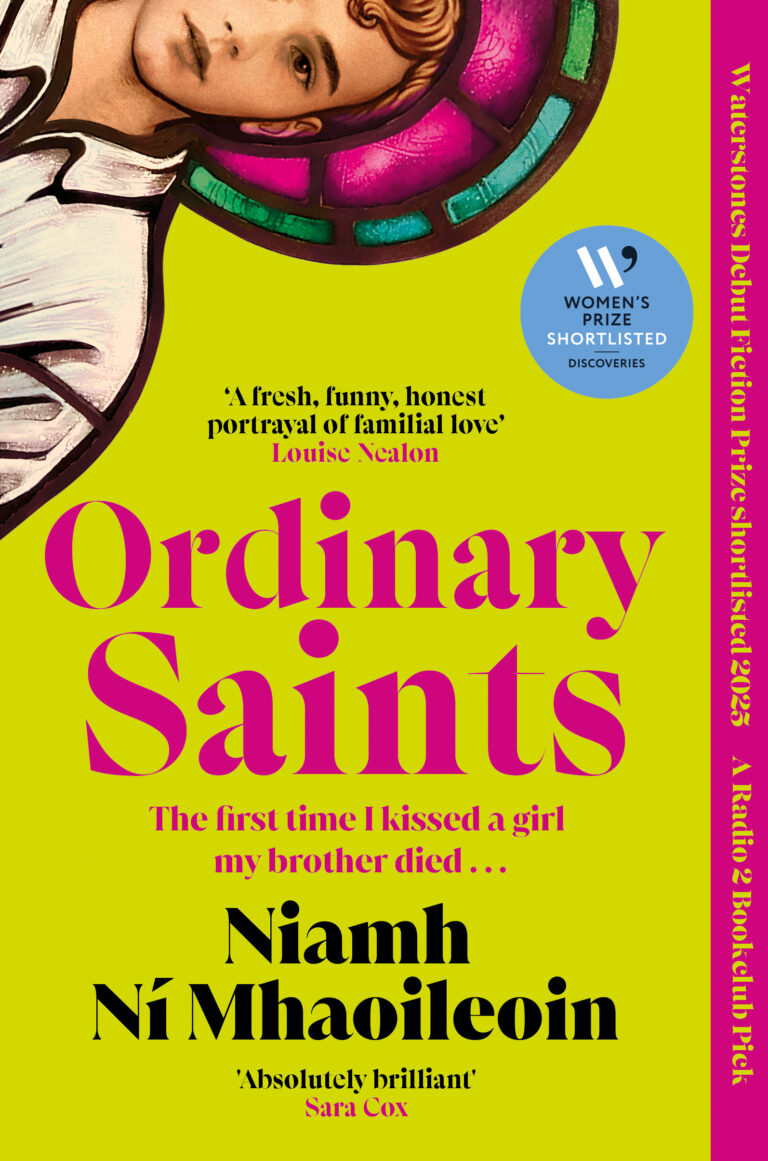
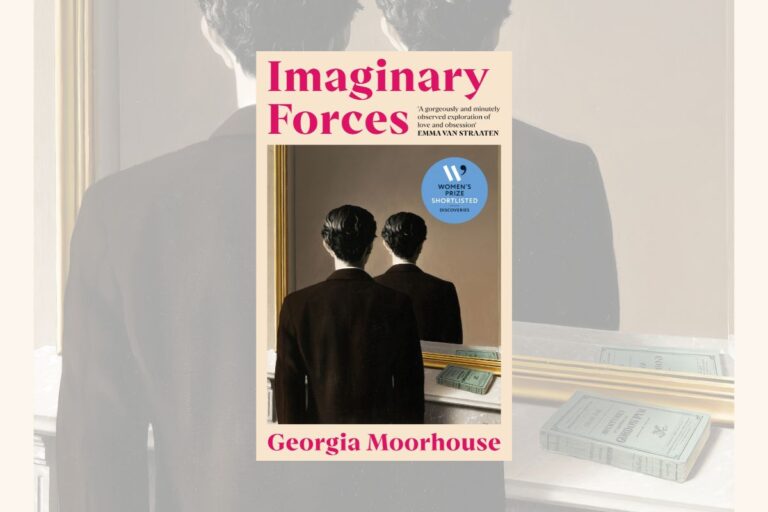
In 2021, an extract of what would become It Comes in Waves was longlisted for the Women’s Prize Discoveries Programme and in my cohort, I found company in ex-lawyer, Lorna Elcock, author of The Windhover (out July 2026) and from the 2024 cohort, fellow lawyer, Georgia Moorhouse, author of Imaginary Forces (out January 2027). Not a bad showing from an industry that isn’t considered creative.
If you’re an emerging writer whose day job isn’t a traditional creative job, I hope you don’t see this as a barrier. I hope you take the skill and experience from your day job and put it into your writing. I hope you soar.
Books by our Discoveries alumni