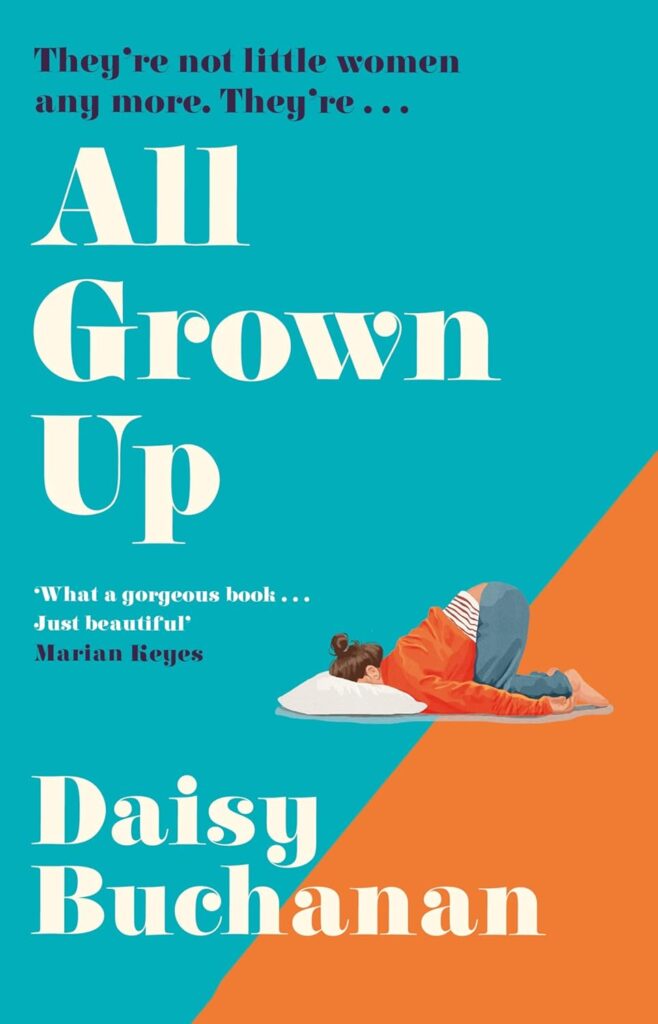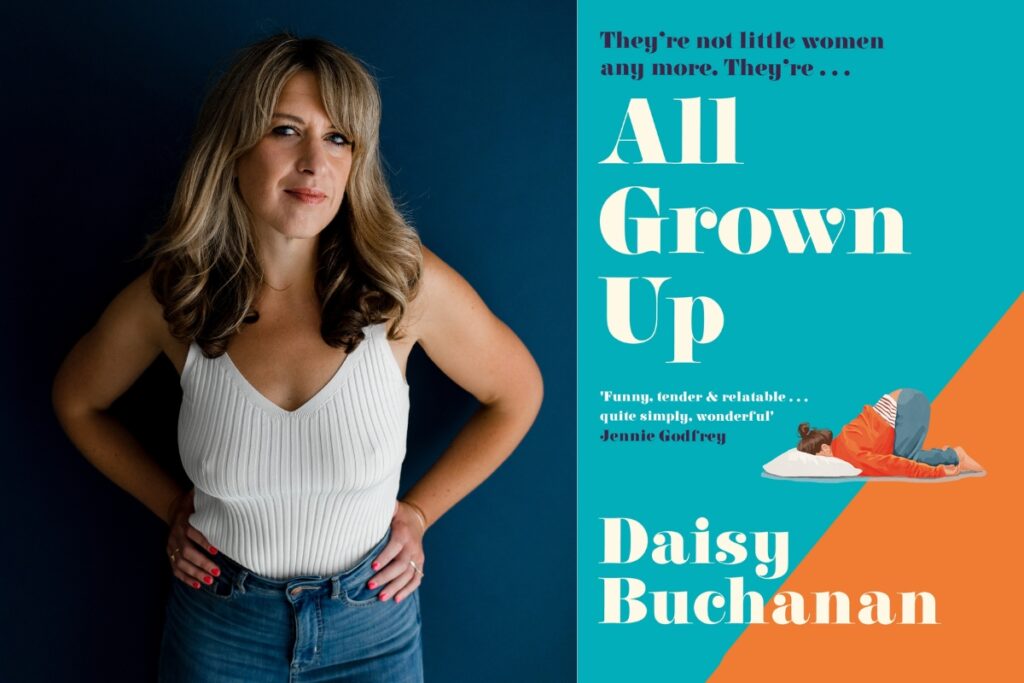
To celebrate the publication of her fifth novel All Grown Up – a modern-retelling of Louisa May Alcott’s Little Women – Daisy Buchanan shares with us the five books that she read and returned to whilst reimagining Meg, Jo, Beth and Amy into the twenty-first century.
I love stories about sisters. I’m the eldest of six girls, and when I read Little Women for the first time, aged eight, I was intoxicated by it. How did LM Alcott know so much about the joy and pain that sisters could cause, or about the way it felt to long for adulthood, while fearing it? I was keen to explore these ideas in All Grown Up, my contemporary comic retelling of Little Women. I wanted to pay homage to the original story of Meg, Jo, Beth and Amy, but I drew inspiration from a wide range of writers. These novels vividly capture the essence of sisterhood and womanhood.
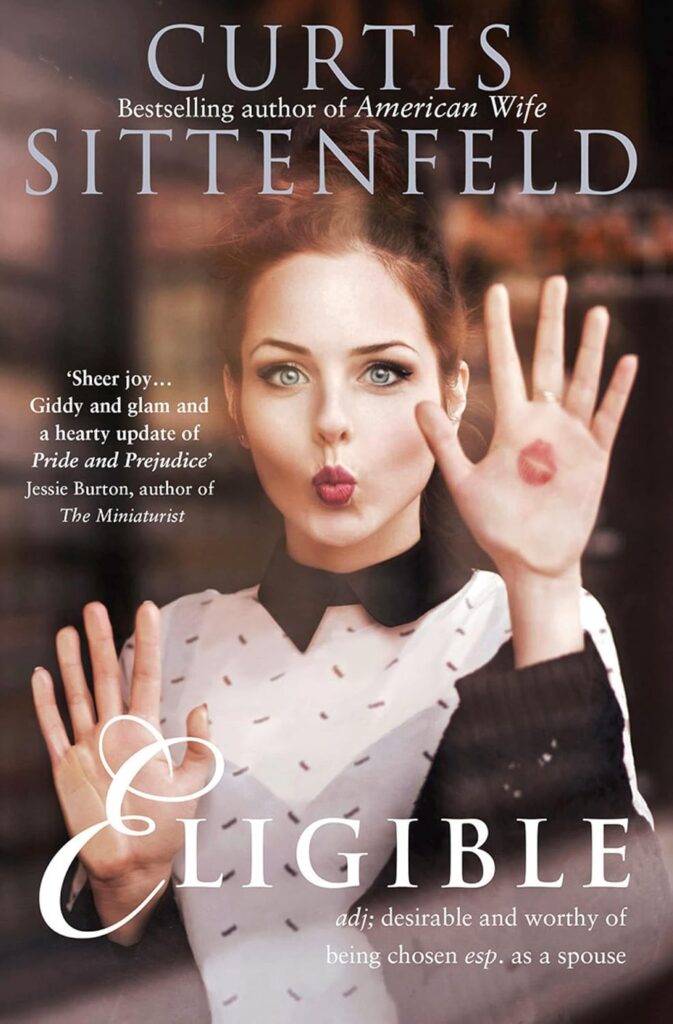
This contemporary retelling of Pride and Prejudice is so much fun to read. The Bennetts have been relocated to the Cincinnati suburbs, as Elizabeth and Jane return to the family home to keep an eye on their father, following his heart surgery. Even though they’re successful, independent women, they may as well be living in the Regency era. Other family members are worried about their single status, and they’re anxious to get the sisters married off as soon as possible.
Sittenfeld rockets the plot into the 21st century. Bingley is recast as a reality show winner, Mrs Bennett has a QVC problem, and precarious finances mean the family is about to lose their much-mortgaged McMansion. This story is written with such love, energy and confidence. It’s a testament to the power of Austen’s original that the themes of class and romance remain so relevant and resonant. Sittenfeld’s retelling is both a brilliant homage, and a fresh, funny standalone novel.
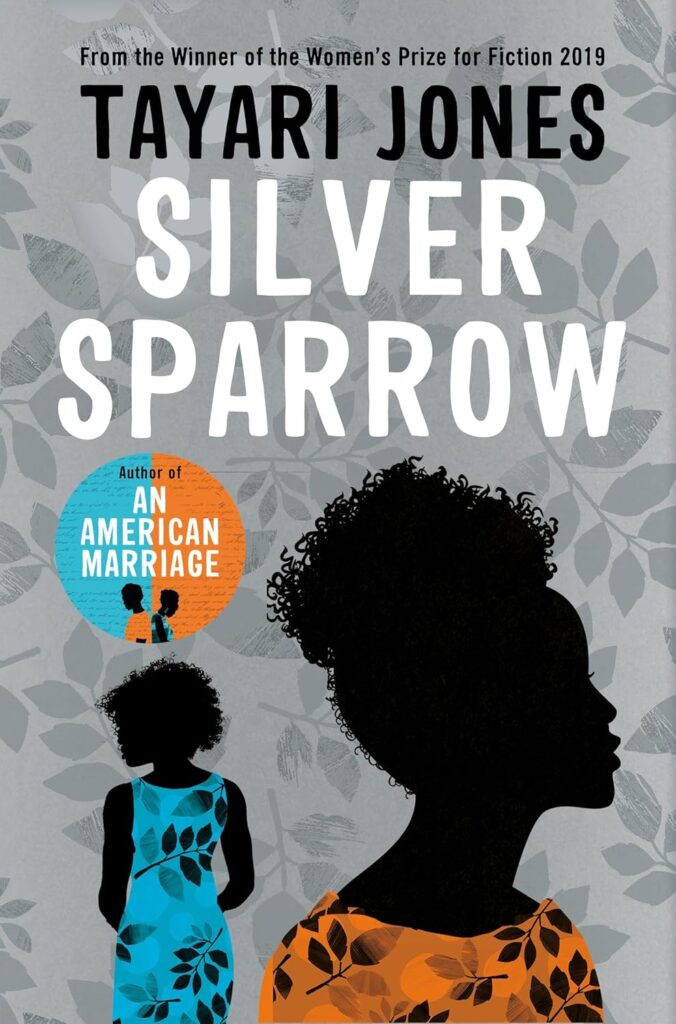
Dana and Chaurisse are sisters. But while Dana knows everything about Chaurisse, Chaurisse doesn’t even realise that Dana is her sibling. Dana is the daughter of their father’s ‘other family’ and is desperate to satisfy her desire for connection by inserting herself into Chaurisse’s life.
This is a beautiful book about longing and loneliness, but Jones writes with real warmth and lightness. It’s a sensitive book about siblings and family, and how we long to belong and feel rooted. The passages that affected me the most were the descriptions of the sisters doing next to nothing – listening to music at home, or bonding what they’re buying at the mall. Jones’ genius lies in the way she shows us how the interstitial makes up so much of life itself. In All Grown Up, I want you to feel the love between the March sisters when they’re analysing Real Housewives and deciding how much gyoza to order with their ramen – that’s where intimacy comes from.

When I imagined Louisa, the mother of my modern March girls, Miranda July’s protagonist was at the forefront of my mind. A successful artist receives a small windfall and suggests that she use the money to fund a solo road trip from LA to New York, without her partner or child. However, she doesn’t manage to leave California. She moves into a roadside motel, the first in a series of questionable economic and sexual decisions…
This wild, darkly funny story is a celebration of sex, silliness, freedom, art and interior design. This novel has polarised every woman I know. I loved it, and the way it explores lust, rage and womanhood in a way that’s bold, wild and vulnerable. Every page took me by surprise – it’s uncompromising and utterly exhilarating. There’s a dramatic, erotic dance scene you’ll never forget. (Secretly, I have a theory that Victoria Beckham read and loved this book.)
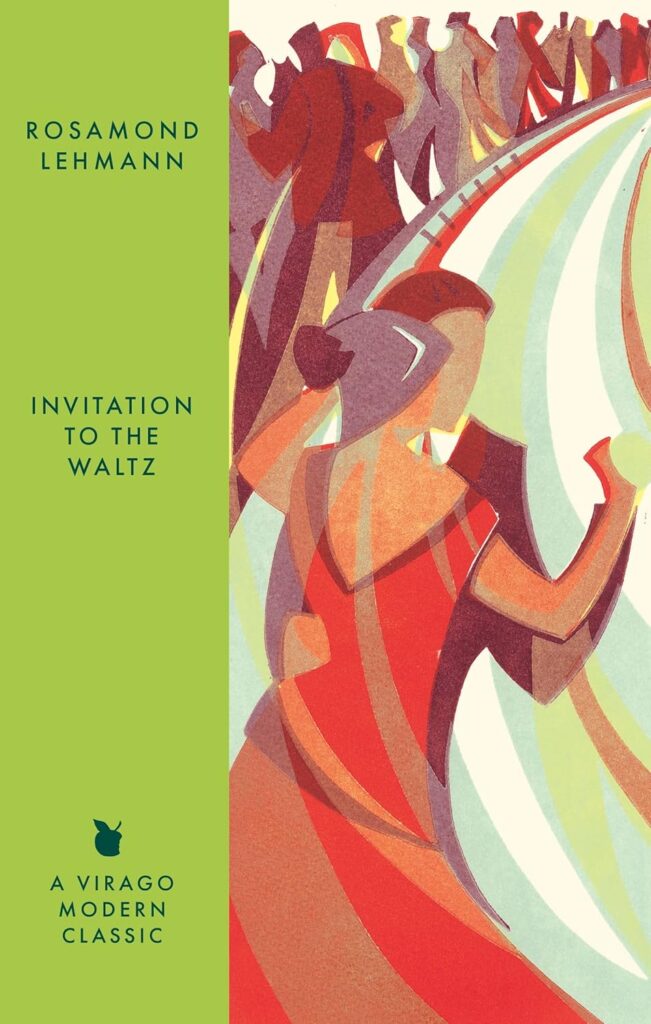
On her seventeenth birthday, Olivia Curtis is standing at the very edge of adulthood, waiting to be called in. Her big sister Kate seems pretty, charming and sure of herself – she has everything she needs to triumph. When the girls go to their first dance together, Olivia is both hopeful, and fearful that the party might change everything. What will happen to Kate, and will she leave Olivia behind? And will anything happen to change the course of Olivia’s fate?
Lehmann has an uncanny understanding of what it is to be self-conscious, and the childhood anxieties that follow us all the way into adulthood. I always return to this coming-of-age novel when I need to remind myself of the most ‘grown up’ lesson of all. The people who seem the most sophisticated are often the most disappointing – but instead of waiting for someone to lift us up, we can always elevate ourselves.
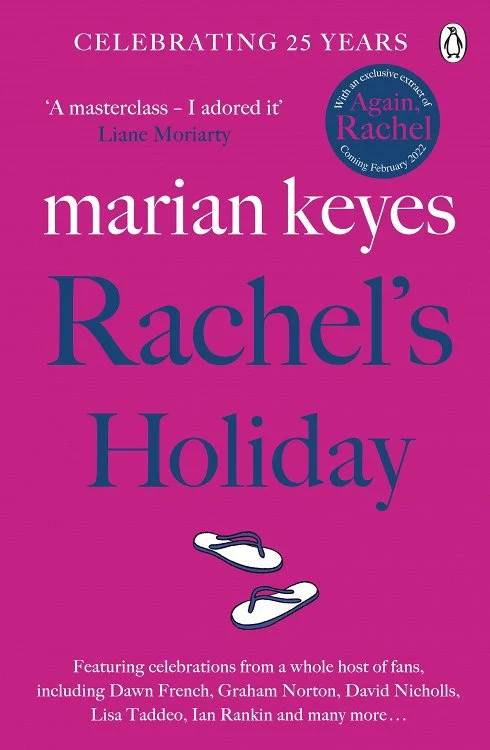
This is a novel about addiction, and how Rachel is forced to come to terms with herself as she is, outside her family. However, it’s also a story about the way our families cast us in particular roles, and start forging our identities for us before we really know who we are. My retelling of Little Women takes place in the aftermath of Beth’s death, and how the sisters struggle to work out who they are, through a lens of loss. Keyes writes about complicated sibling relationships with wisdom and raw compassion, but she understands that life and love are often funny. As well as being inspired by the way she writes about sisters, I wanted to pay homage to the way she balances darkness with light.
I believe Rachel Walsh and her sisters are modern day March sisters. They spend a lot more time squabbling, and a lot less time engaged in charity work, but they are also bonded by an all-consuming, warm, unconditional love. Every detail and observation that Keyes makes about sisterhood is one I recognise from my own life.