Through my career of teaching and sharing writing, the response I have heard most is “I didn’t know you could do that.” Too often, even without realising it, we restrict ourselves into categories, genres, forms, sometimes even thoughts, that were not of our own making. We have shrunk our writing even before picking up a pen or starting to type.
It’s an internal shrinkage that’s somewhat different to imposter syndrome, where we may know what we’re striving for but aren’t sure we have the right tools or accomplishments to achieve it. It is a diminishing that comes from not realising that alternative options even exist. If imposter syndrome is a hesitation to move forwards, then permission-giving is someone taking off the blinkers so that we can see, and move, in all directions.
One of my biggest early permission-givers was a literary scene rather than a person – in the transatlantic US and UK experimental poetry communities of the 1960s, I found a freedom in form and in the means of production that gave me a pathway – and permission – for expression that felt more fluid than more mainstream modes of writing. In the UK, a wide range of styles, including visual and sound poetries, were involved in what US poet Eric Mottram called the British Poetry Revival. A lot of this writing was distributed by way of the “mimeo revolution” that saw poets taking control of their own publishing.
While experimentation guided much earlier Modernist practice – and Viriginia Woolf, for example, has also been a permission-giver for me as she has for so many – many late-modernist innovative poets were particularly valuable to me for modelling innovation and freedom with minimal material support. The US poet Anne Waldman, who I spent time with at the poetry school she co-founded at Naropa and wrote about critically, has been a valuable permission-giver and infrastructure innovator.
The Bowery Poetry Club in New York has also been important for supporting the continuance of experimental writing practices. Through Club founder, poet and community-builder Bob Holman, I connected with Steve Cannon – a member of the Society of Umbra collective of Black writers and founder of the multi-cultural, interdisciplinary organisation A Gathering of the Tribes. In Cannon I found another permission-giver for the visual aspects of my writing on the page as well as the cross-cultural interplay.
It is, of course, hard to bypass the very real constraints on experiment that commodification and comprehensibility impose. If particular modes sell, how do we make a living when we write differently? If these bestselling modes are so prevalent as to become the standardised way of communicating, how do we make ourselves understood? It takes a real commitment from readers to engage with – and call for – different forms of writing, just as much as from the authors – often crucially buoyed by the generosity of artistic communities – who produce them.
Coming to write my first novel, after several books of non-fiction and poetry, I sensed that my blinkers had slipped back on. Here, it was the work of experimental wordsmiths like Helen Oyeyemi, Irenosen Okojie and Bernardine Evaristo’s “fusion fiction” that reminded me what was possible and moved me forwards.
As a writer who focuses on environmental issues, I was also used to approaching these predominantly through the lens of places in the UK. But, at a time when the Global South is feeling the brunt of harmful climate impacts, having contributed to them the least, it feels important to be casting the net of our writing, and thinking, more widely.
One of our greatest environmental challenges is the exploitative and extractive mindsets that have engineered, and continue to perpetuate, the climate emergency. While there is an opportunity for writers to promote the more relational ideologies and practices of a number of indigenous communities who offer less harmful models for interaction with the natural world, this can be difficult terrain to navigate. In writing about places that may not be our immediate homes, we risk lapsing into that same appropriative mindset. There are some very real instances in which we may not have permission.
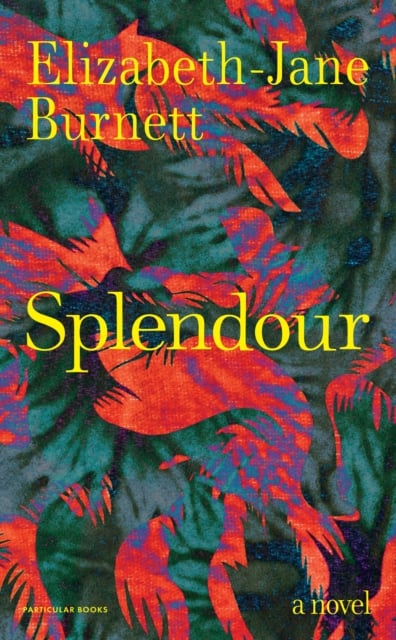
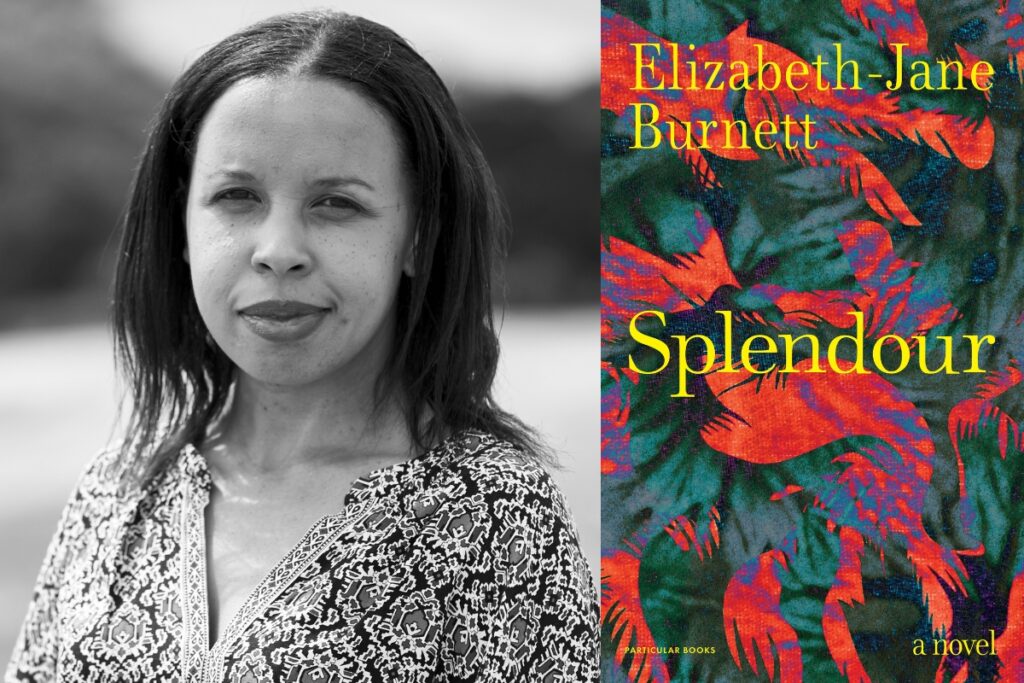
Aminatta Forna, a writer who, at the time of writing Ancestor Stones, divided her time between London and Sierra Leone, describes the vital role her family and friends’ experiences of their “country’s past” played in the novel’s Acknowledgements. In my novel Splendour, set in Kenya and the UK, the experiences of relatives and friends in Kenya were vital to augment my own memories of living there and wider archival and secondary research. Among these was family friend and historian Professor Henry Stanley Kabeca Mwaniki, whose research on my mother’s people was influential. Oral histories were integral to the novel and those who spoke to me over many years my biggest permission-givers – most generous among them being my mother.
In the 1960s, Waldman took a “vow to poetry,” promising to dedicate her life to the art and community of poetry. I wonder if we, especially as women writers and readers, might, today, take a pact of permission. To routinely take our blinkers off and see the wild writing that flourishes – if we let it.