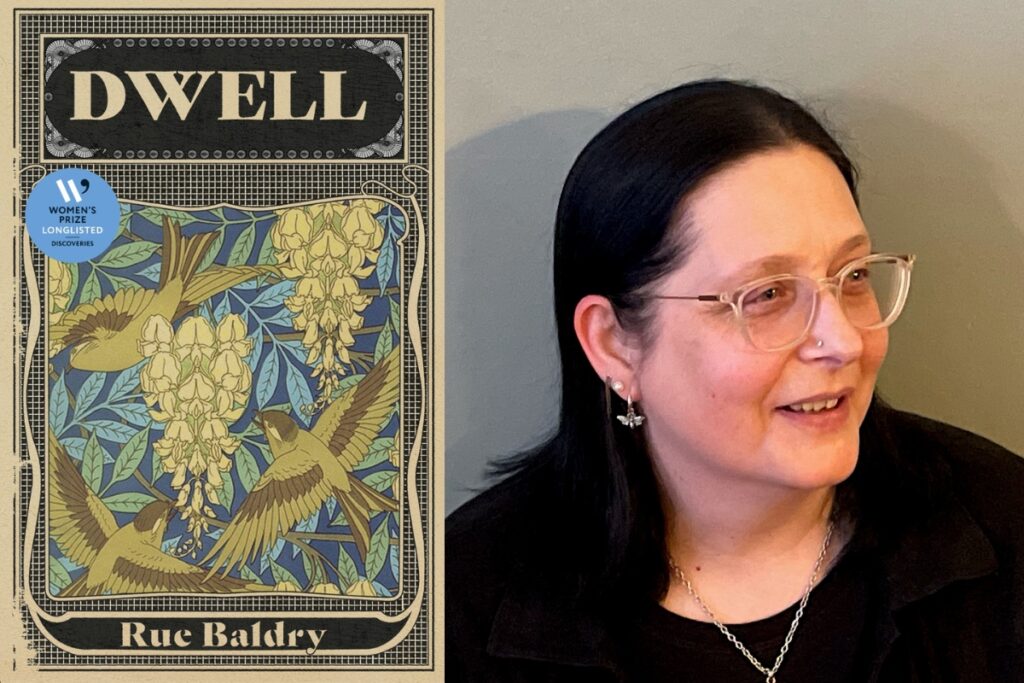
To celebrate Pride Month, 2021 Discoveries longlisted Rue Baldry recommends five historical novels that explore relationships between men with insight, nuance and empathy. From lives forever changed by the AIDS crisis to queer love in times of antiquity, these novels remind us of the power of fiction to reclaim stories erased from the historical record.
My novel, Dwell, is the story of two traumatised young men falling in love with one another across class divisions in 1919. At that time such relationships were illegal, medicalised as “homosexuality” and condemned as “sin” and “perversion” by religion and society. While sapphic women suffered from dual oppressions of patriarchy and homophobia, gay and bisexual men were more actively persecuted and prosecuted.
Official history tends to be written by and about upper class white men, who are either heterosexual or hiding their sexuality. So it is up to fiction to tell the stories of people from the past who were female, of colour, working class, disabled, LGBTQIA+, etc. Members of these overlooked groups often tell each other’s stories. One of the earliest novels ever written about gay men was Claire de Duras’ 1822 Olivier Ou Le Secret. The following five historical novels were written by women about men in relationships with men.
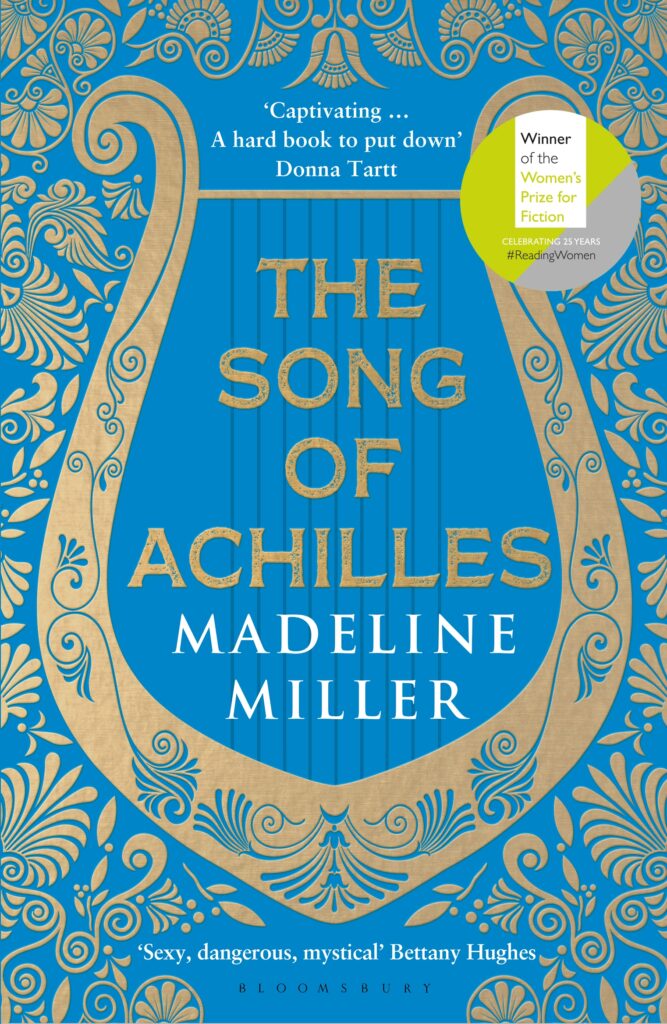
The Trojan War is more mythical than historical, but this story is embedded in such accurate, detailed research, that it counts as historical fiction. In The Iliad, major plot points hinge on Achilles’ love for Patroclus. Miller does a wonderful job of fleshing out their relationship within a convincingly nasty army camp. Patroclus is an engaging narrator who persuasively articulates his adoration of Achilles. Neither man is an unrealistic paragon, but their feelings for each other are exemplary. The prose has such beautiful, moving purity that I cried reading the last paragraphs. (It’s interesting to read this alongside Pat Barker’s The Silence of the Girls which covers a lot of the same story but from a female point of view).
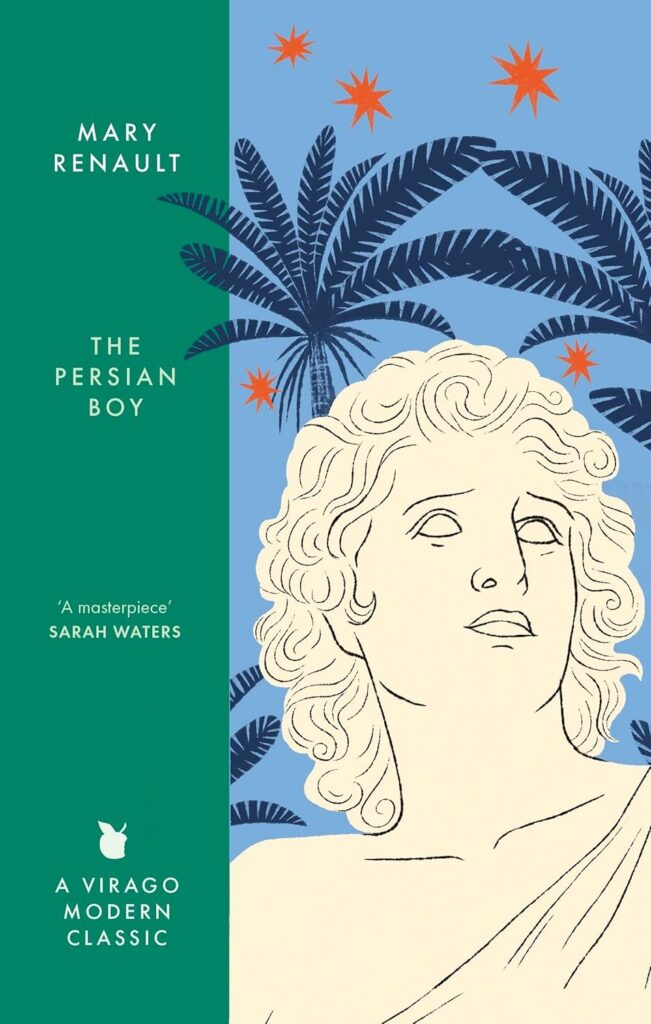
In 1953 Mary Renault published The Charioteer, a positive portrayal of the love life of a gay serviceman in World War Two. Its publication caused such controversy that Renault, a lesbian herself, set subsequent novels in Ancient Greece to evade censorship. The Persian Boy is her masterpiece, the epic tale of Alexander The Great’s years of invasion and conquest, as told by his eunuch catamite lover, Bagoas. He is a charming narrator for whom it is easy to feel affection, particularly in light of the cruelties he endured in his early life. Through the lens of his adoration and gratitude, we can accept descriptions of Alexander as flawlessly brave, just, kind, and skilled. The Persian Boy humanises factual history about Alexander, a unique and powerful figure who changed the histories of a fair chunk of the world.
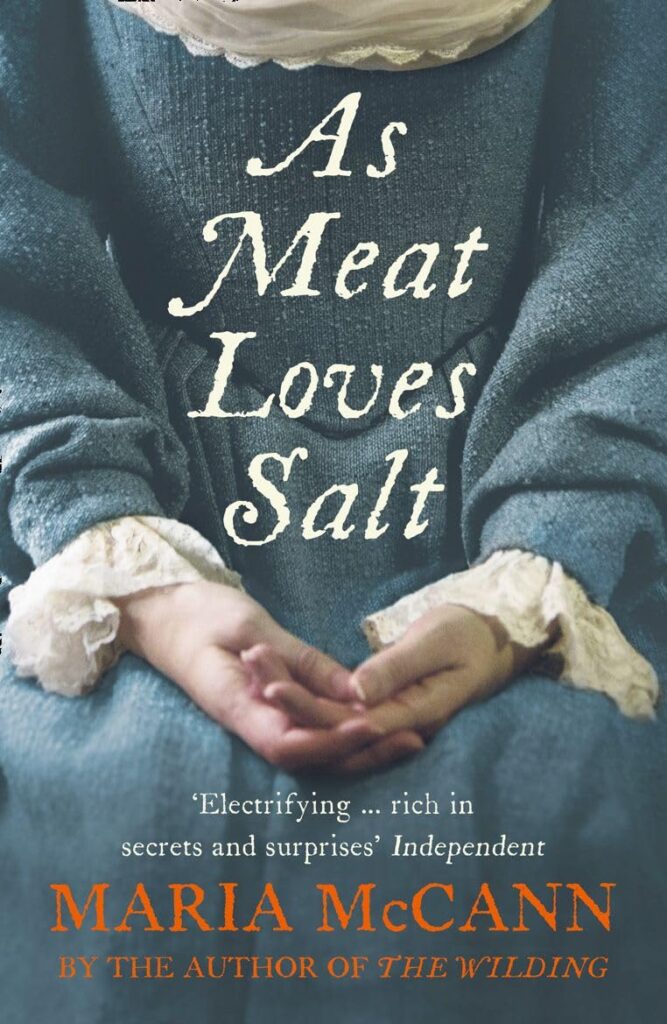
By contrast, Jacob Cullen, the protagonist of As Meat Loves Salt, is far from heroic or likeable. He does have some charm and his story of danger and survival alongside male lovers during the English Civil war is compelling. I couldn’t help rooting for success in his romantic life, despite his more despicable actions. As Cullen moves around England, from manor house to army encampment to merchant house, we get a good view into what all of these places were like in the mid-seventeenth century, and so a feeling for the country as a whole. This was a fascinating, tumultuous period. I always enjoy seeing the effects of historical events on individuals. It was also a time of strong, warring religious ideologies, most of whom disapproved of LGBT+ lifestyles, which makes Cullen’s love life perilous.
McCann’s novel The Wilding was longlisted for the 2010 Women’s Prize for Fiction.
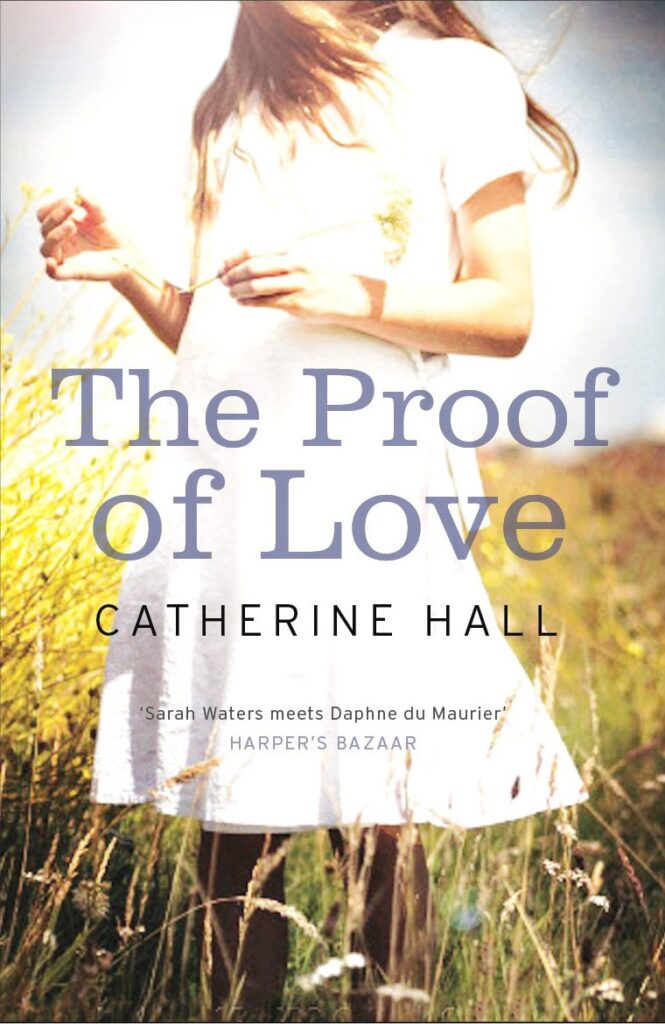
Set in the long, hot summer of 1976, this is the story of Spencer, a gifted mathematician from Cambridge University who takes work on a farm in the Lake District. He develops a friendship with the farmer’s lonely, clever little girl, Alice, and falls for a handsome farmhand. Hall captures the claustrophobia of rural life and the pressures on farming at that time, as well as giving surprisingly interesting insight into things like sheep shearing. It becomes gradually clear that Spencer has had to escape academia because of a scandal. Although sex between men over the age of twenty-one in private was legal by that time, we are shown the extent to which, in societies as diverse as universities and country villages, being gay was still not acceptable.
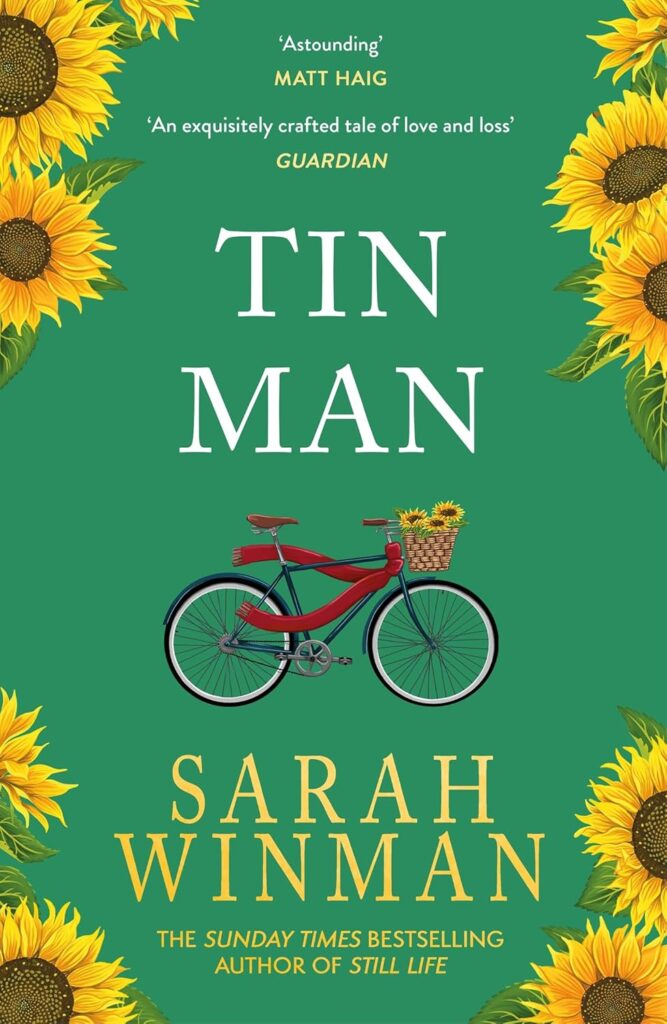
Tin Man is set from the 1950s to the 1990s. We first meet Ellis in 1996, as he slowly surfaces from grief. The two loves of his life, Annie and Michael, have died together in a car crash. I loved the sparseness of language through which we understand Ellis and what attracted him to both of them. Winman’s prose is a joy. Tin Man explores the nuances and complications of romance, sexual attraction and friendship when they become entangled, also the happiness, shame and heartbreak of love, as well as the quiet despair of being the only person left. Michael’s unearthed journal contains heartbreaking description of AIDS patients, but also the tragedy of his youthful love affair with Ellis, which was cut short by Ellis’ learned fear of his own bisexuality.
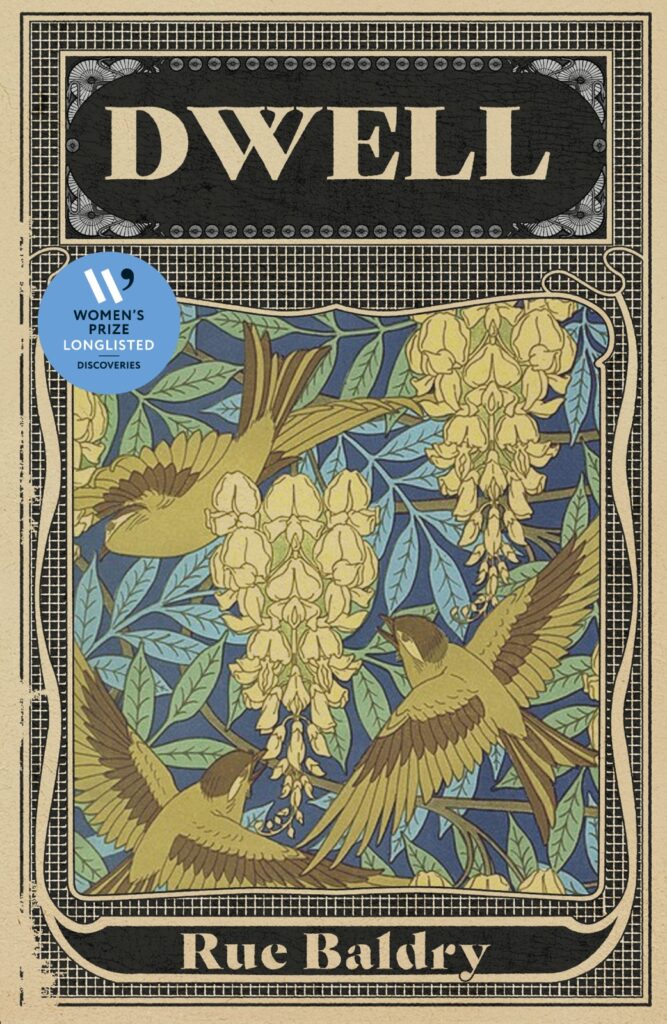
Dwell by Rue Baldry is out now, published by Northodox Press on 11th June 2026.