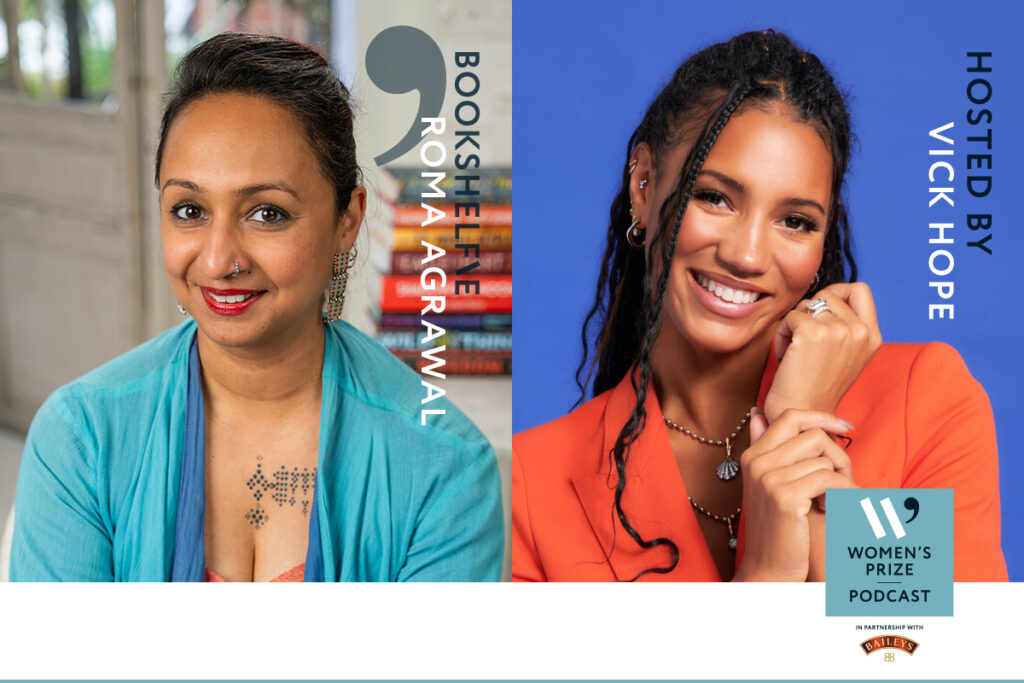
Our host Vick Hope is joined by Roma Agrawal.
Roma is an engineer, author and broadcaster who is best known for working on the design of The Shard, Western Europe’s tallest tower, and is a judge for the 2026 Women’s Prize for Non-Fiction, sponsored by Findmypast. She has given talks to tens of thousands at universities, schools and organisations around the world, including TEDx, and presented numerous TV, radio and podcast shows for the BBC, Channel 4 and Discovery. Her first book, Built, won multiple awards, and was published for children as How Was That Built? in 2021. Her third book, Nuts & Bolts was shortlisted for the prestigious Royal Society Trivedi Science Book Prize, and was also adapted for children, as Seven Small Inventions That Changed the World. Her new book, How to Build a Chocolate Bridge: Extraordinary Builds Using Everyday Things, is a hands-on exploration of science and the world around us, featuring seven fun interactive building projects for kids.
Listen to the full episode here and read on to discover Roma’s five most influential books by women.
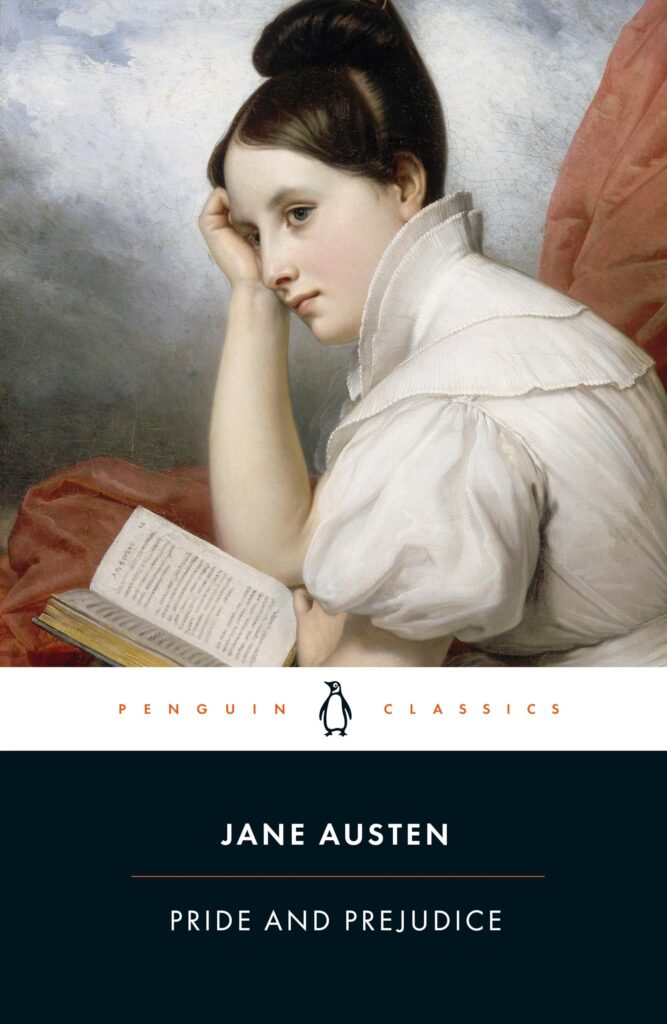
‘I moved to the UK when I was 16 having read Pride and Prejudice countless times, and that also became a point of comfort for me because I clearly remember joining this new school in the UK, my parents were still in India, I was barely 16 at this point, and they had a television in my school library – a little one with a built-in video player and we could just put headphones on and watch videos during our free periods, and they had the BBC adaptation of Pride and Prejudice – the six-episode miniseries – and I would sit there watching this with the words of Jane Austen in my head whenever I was feeling homesick, because it really reminded me of home, even though it was very English.’
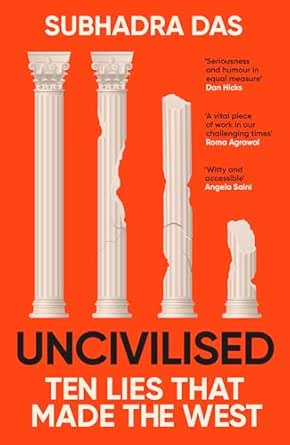
‘What I really enjoyed about this book – I mean it’s funny, it’s beautifully written, and really really witty. Subhadra is a great writer and she breaks down one topic at a time and looks at things like science, art, time, death, and she challenges us to look at these and understand them from a global perspective. Time, for example, indigenous communities in Canada, in the Americas, in New Zealand and Australia, they think about seven generations going back and forward and their actions and what is the best thing to do for seven generations going forward.’
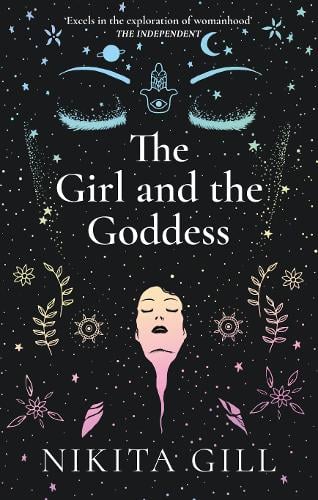
‘What I really loved about this was the stories of the goddesses were told from a feminist point of view, which I hadn’t really seen before. I knew the goddesses and I knew their stories, but Nikita gives them their own voices to tell their own stories and that was really special to me, and I think it’s the last goddess that she meets Kali Ma, who is the Hindu goddess of destruction, and she destroys evil but she does it with full-on rage, she’s chopping people’s heads off, she’s got blood dripping out of her mouth so she’s like an embodiment of feminine anger and resilience and taking action, and I really needed that at the time.’
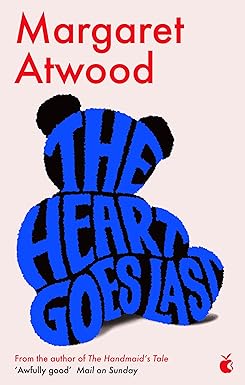
‘The Heart Goes Last is very topical today, it’s a time of social and economic collapse, they are living out of their car, this opportunity comes up where they basically stay six months in a house and six months in a prison, and they work while they’re in a prison and the argument is it reduces the amount of housing that needs to be built, but when you really think about the economics of it, it doesn’t really work and I won’t give too many spoilers away because it’s really really good.’
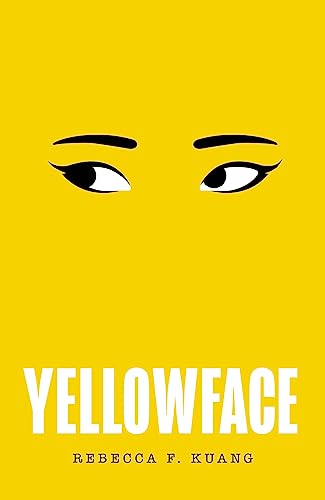
‘I picked this one because in some way it marks my transition from being an engineer to a writer and I found that change quite opaque, I didn’t understand how publishing worked coming from engineering – no idea! It was a completely different world to me, and then I came in, I got my book deal, and I started to learn more and more about how the industry works, to read more and more about the lack of diversity in publishing as well. So obviously we talk about women a lot, of course, which is so important but also people of colour, and the total lack of diversity in that space. I was trying to absorb these different types of diversity issues. And in some ways Yellowface brought all of that together for me in terms of the race question in a super interesting way.’