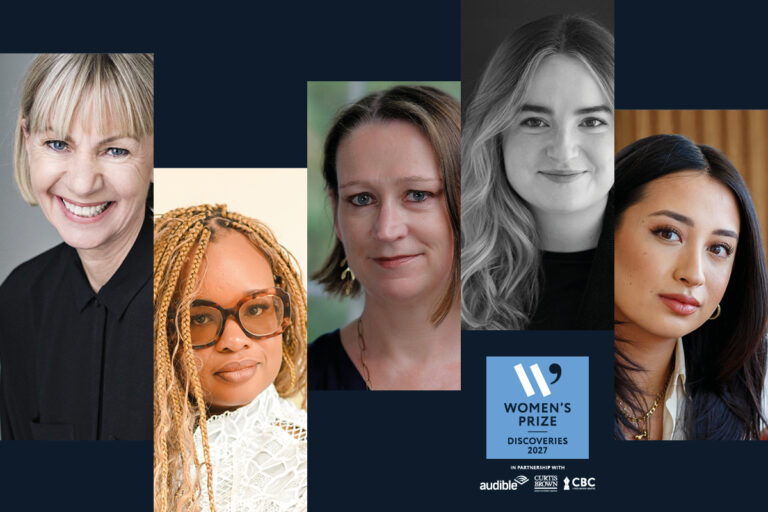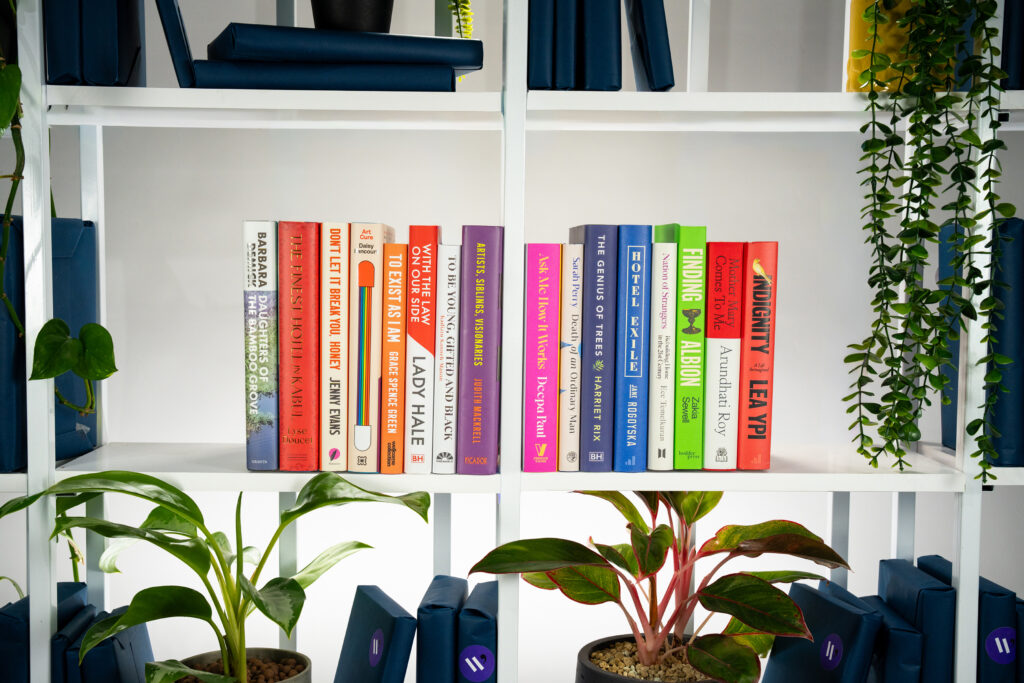
Are you an aspiring non-fiction writer? We asked some of the writers long- and shortlisted for the 2026 Women’s Prize for Non-Fiction to share the tips, practices and philosophies they’ve picked up along the way. From in-depth research and reading, to creating a writing practice, discover their best pieces of advice below.
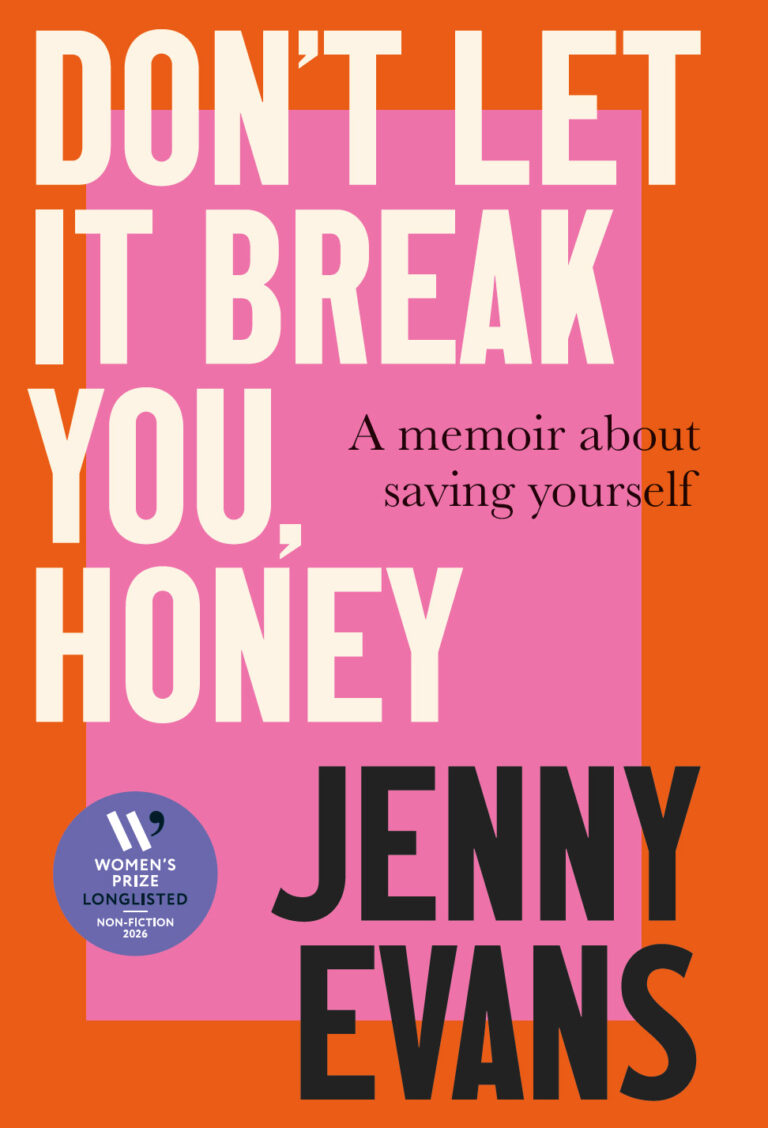
Jenny Evans, author of Don’t Let It Break You Honey
“Be patient with the process, and serious about accuracy. Non-fiction requires both curiosity and discipline: ask difficult questions, check your assumptions, and be willing to sit with uncertainty rather than rushing to conclusions. Write with care for the people involved — including yourself — and trust that clarity and restraint will ultimately serve the story better than certainty or performance.”
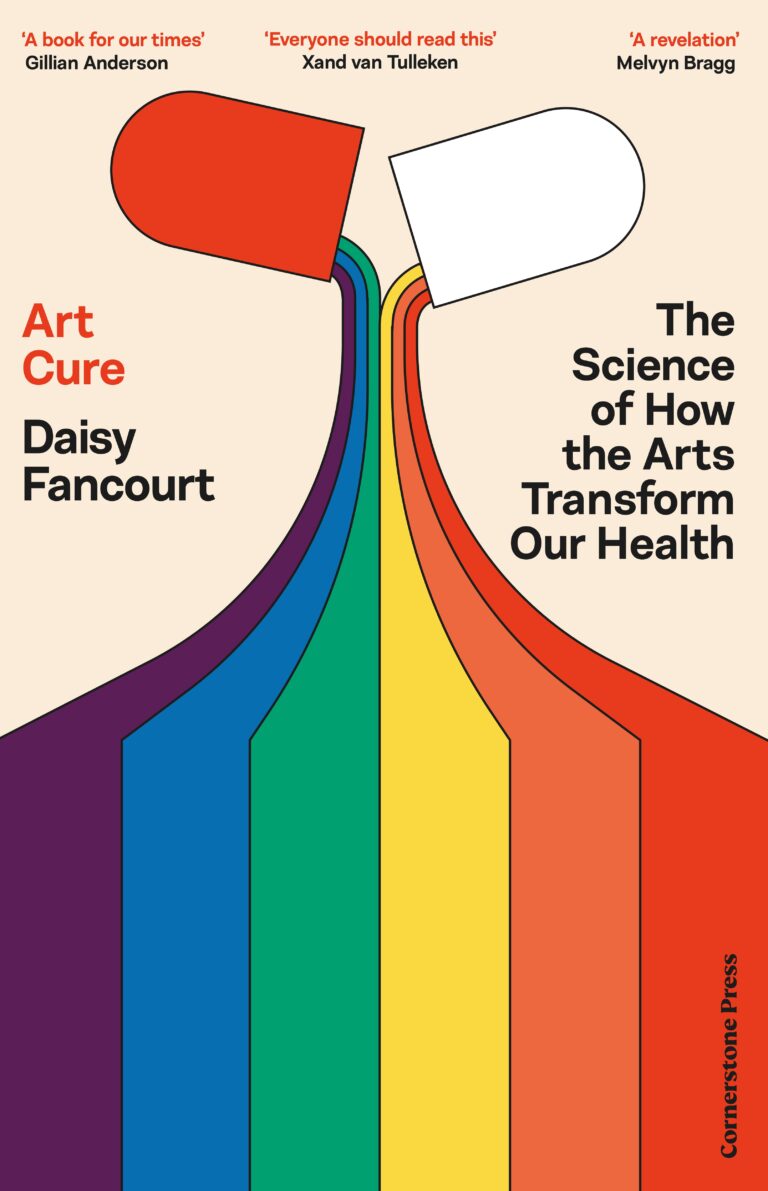
Daisy Fancourt, author of Art Cure
“Read absolutely everything you can. Schedule dedicated writing time every week. Stay organised. (I am a Scrivener devotee – it was the biggest support in managing all my ideas.) And most of all make sure you write about a topic you feel passionate about.”
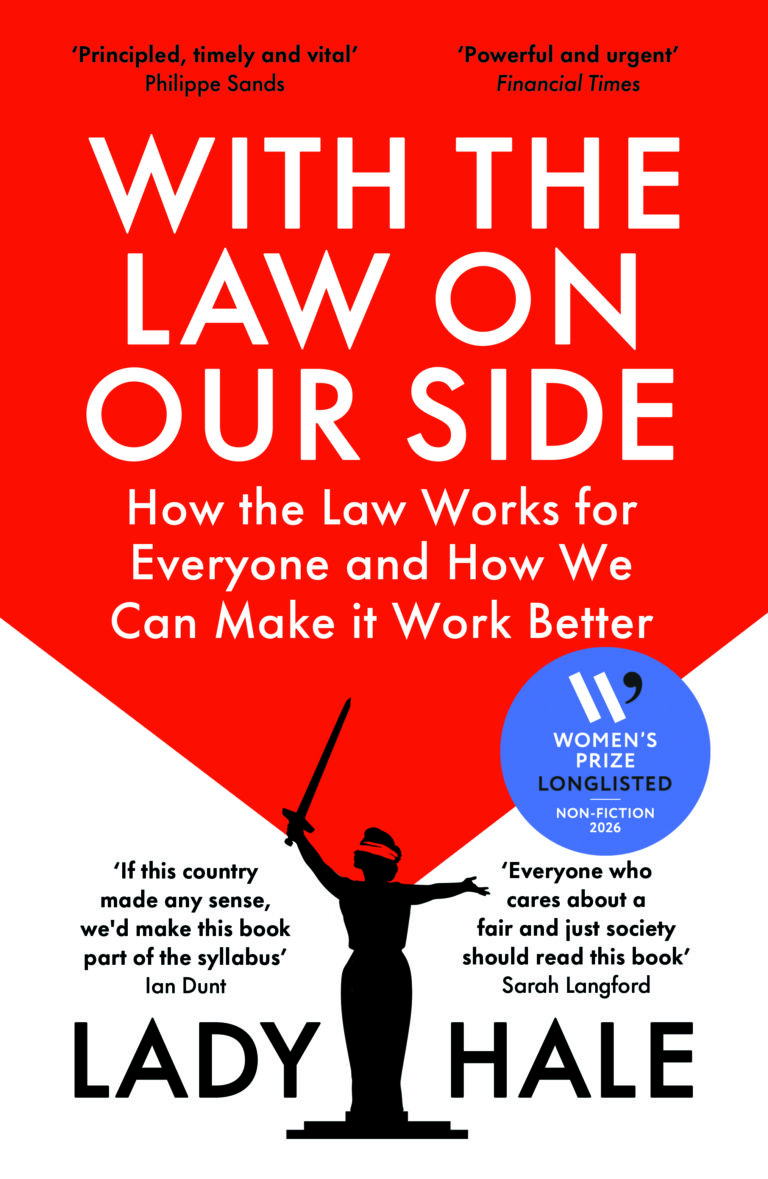
Lady Hale, author of With the Law on Our Side
“Know your stuff and make it fun.”
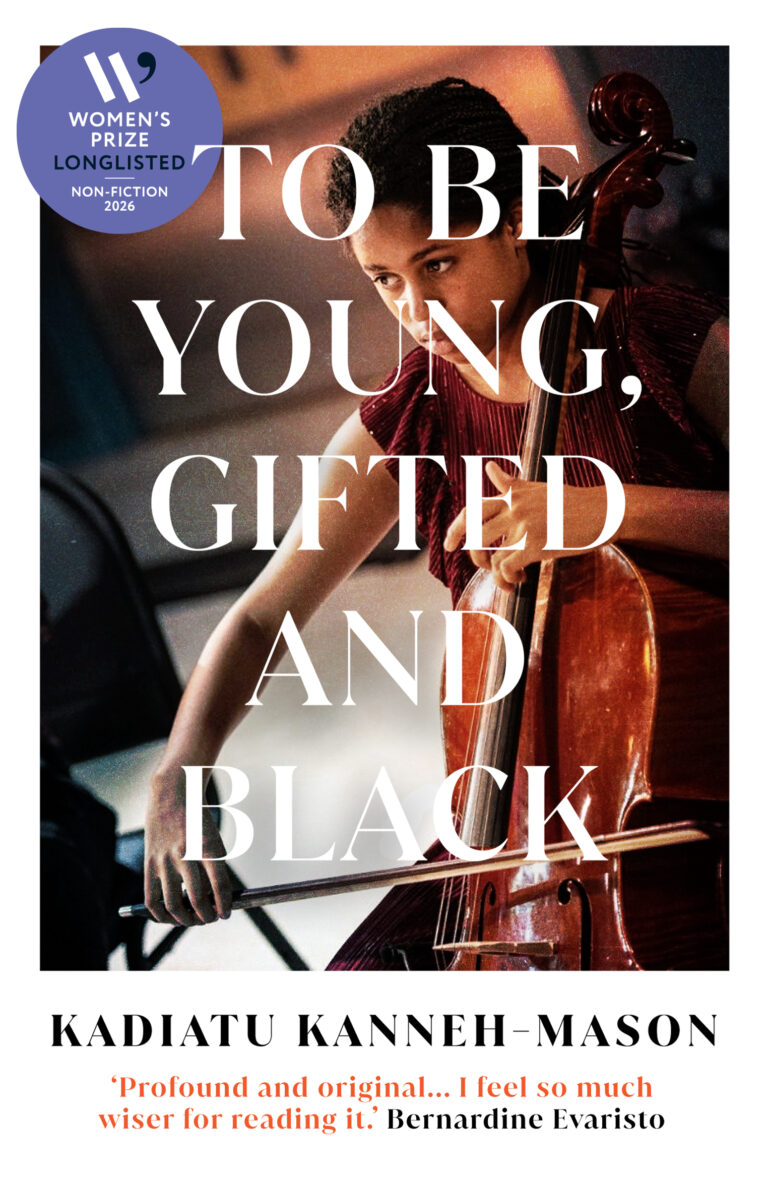
Kadiatu Kenneh-Mason, author of To Be Young, Gifted and Black
“Be completely honest. Understand that your voice matters and what you have to say has value because you are saying it.”
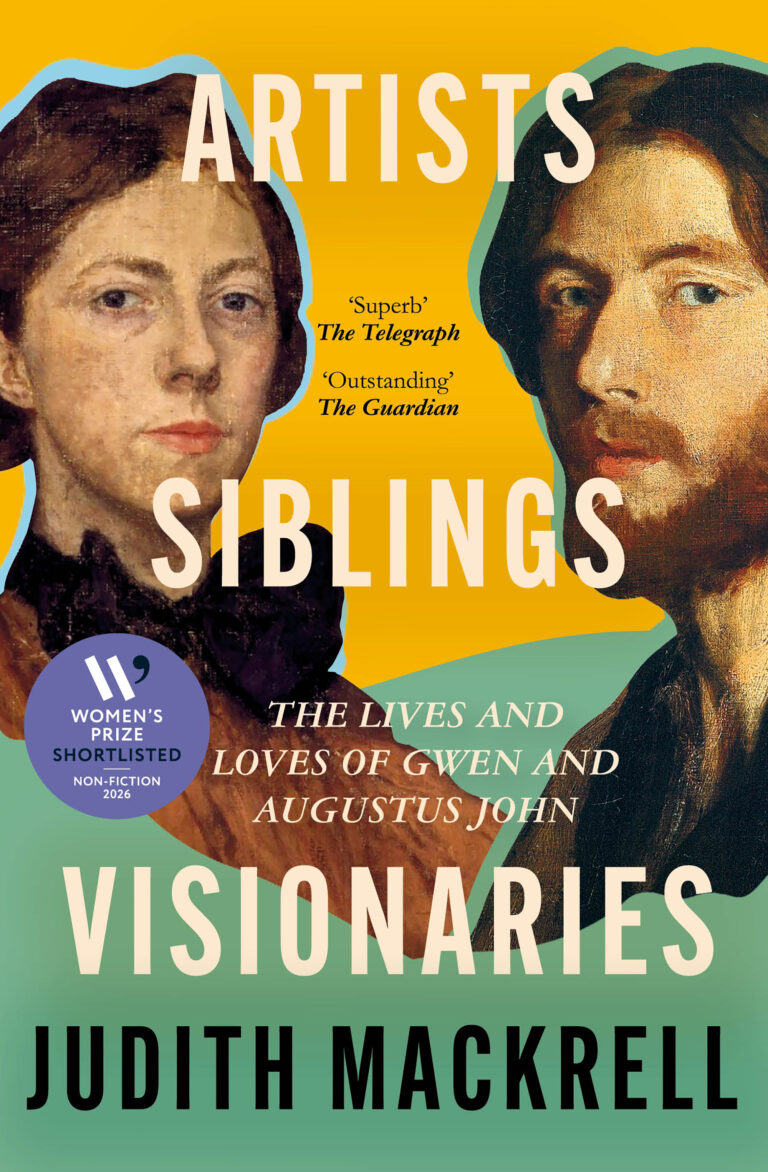
Judith Mackrell, author of Artists, Siblings, Visionaries
“First you have to have a subject you’re passionately curious about, because you’re going to be living with it for a very long time. Second, you need a basic awareness of what sources are available to you. And third you have to have the patience and tenacity to show up at your desk every day.”
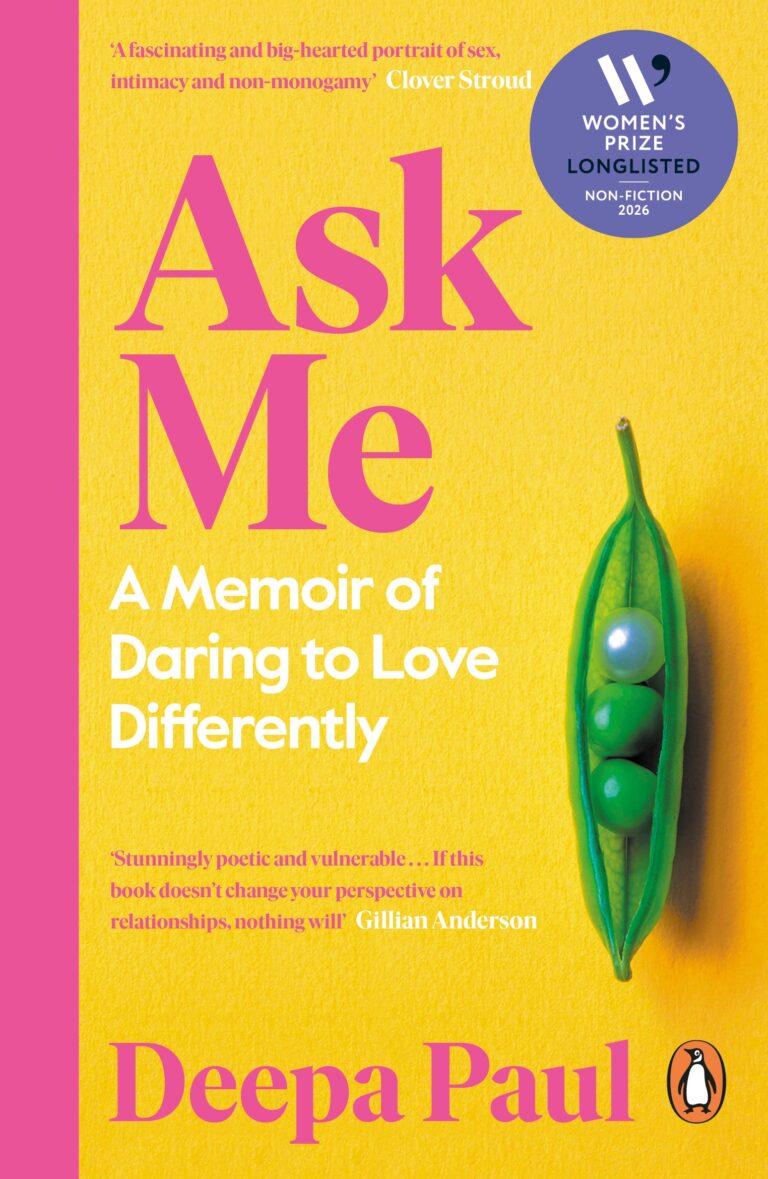
Deepa Paul, author of Ask Me How It Works
“Follow your curiosity. Write for yourself first, rewrite for your audience afterwards. And read. Read books whose voices speak to you and whose worlds intersect with yours. The more you read, the more of them you’ll find. You might end up spending a ton on books, but you’ll feel so much less alone.”
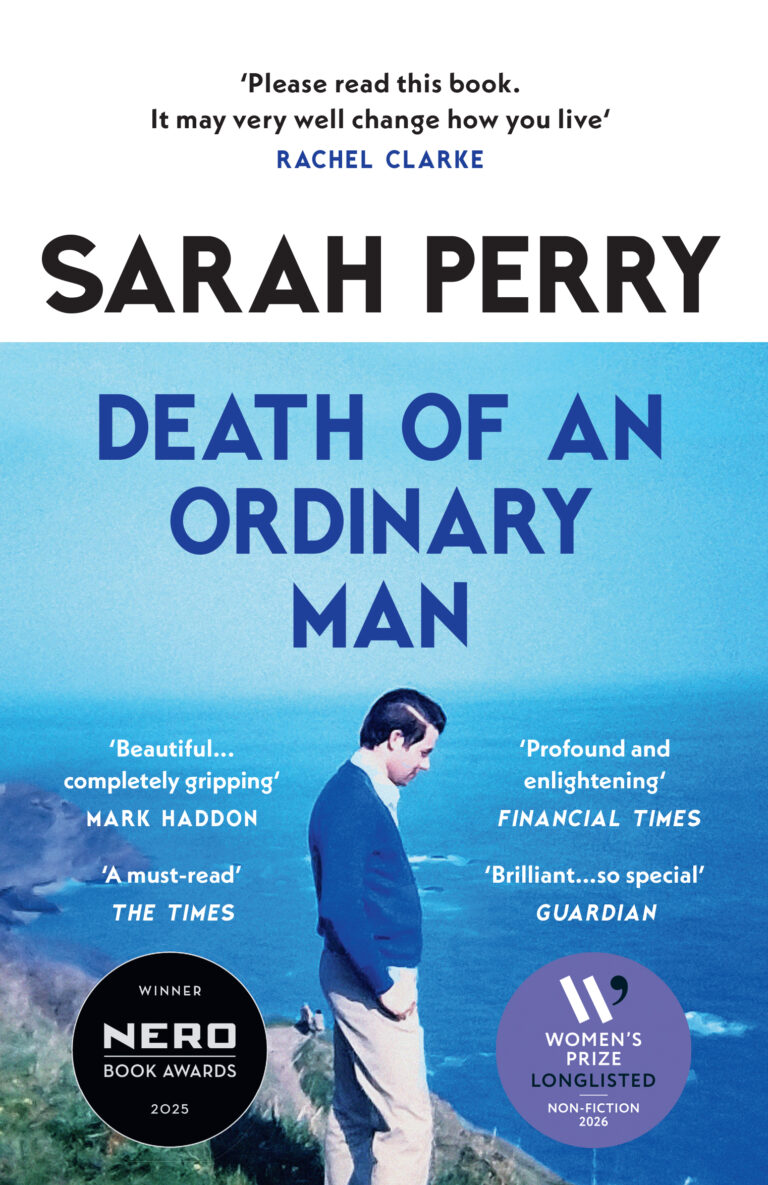
Sarah Perry, author of Death of an Ordinary Man
“I have only written one full-length non-fiction book, so I feel ill-equipped to dispense advice – but I think I would say it is necessary to serve not only the facts, but the truth. Those are linked but they are not identical; and sometimes the facts are less important – and much less compelling – than the truth.”
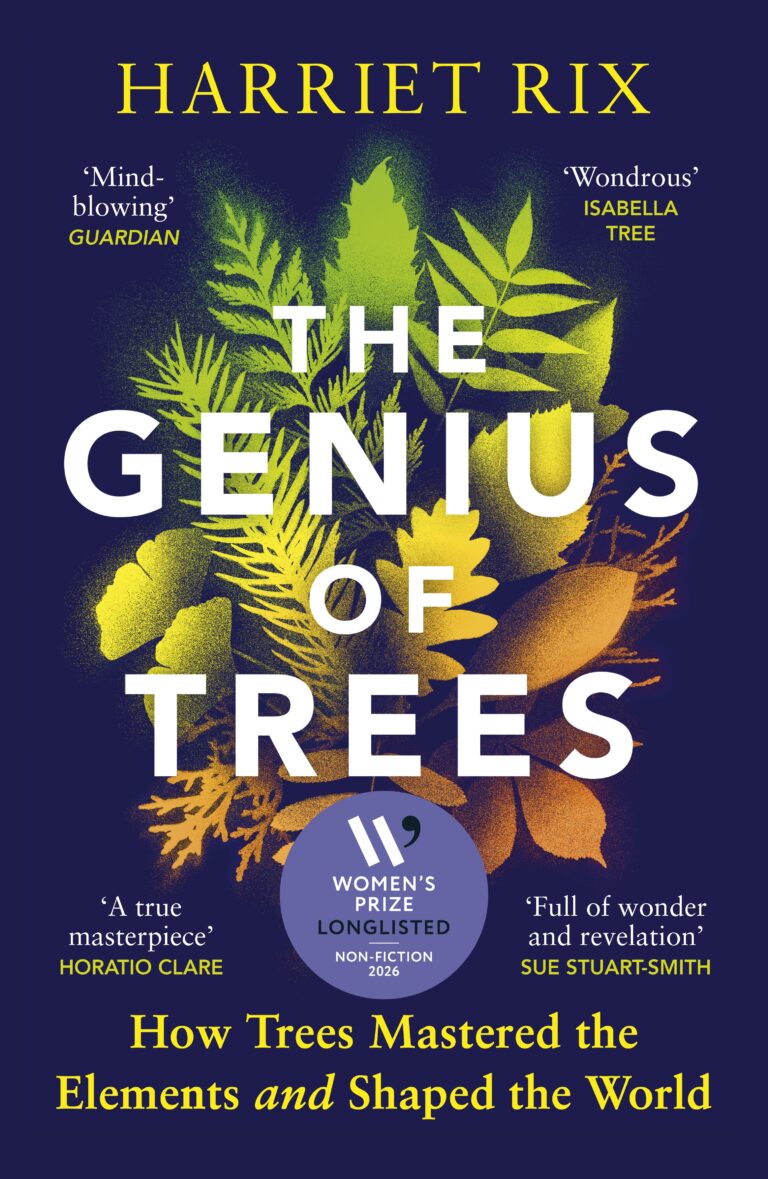
Harriet Rix, author of The Genius of Trees
“Write for everything you can find – I found my agent through writing an article for a magazine I’d never heard of, which paid hardly anything and which had only just started. They would only publish me online which I hated, but this was how I found my superb agent; he read the article and got in touch.”
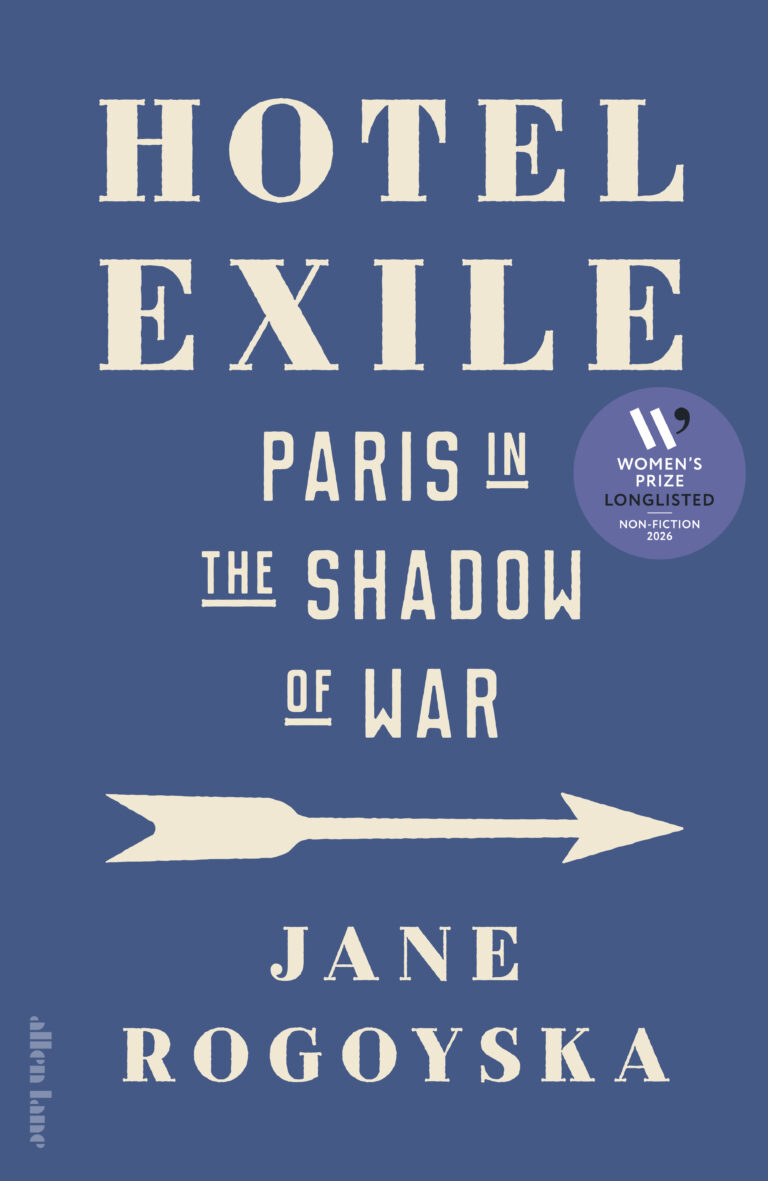
Jane Rogoyska, author of Hotel Exile
“Many non-fiction writers place themselves at the centre of their work, whether they are writing about nature, family, medicine, travel. A first-person narrative is immediately accessible, and to many debut writers it is what comes naturally. If you wish to write about history, and if – as I do – you feel profoundly uncomfortable about including yourself in your work, you will have to challenge yourself, constantly, to find inventive ways to persuade your readers to enter the world you are describing. It is not easy, but it is both creative and intellectually rigorous, and I would encourage you to experiment with it to see how it feels. You will often feel tempted to write fiction (No footnotes! Less research! More dialogue!) Making up stories is a wonderful thing, but writing non-fiction offers something that fiction doesn’t: a sense of serving someone else’s story, something real and valuable to you and perhaps to society. And taking yourself out of the picture can be liberating.”
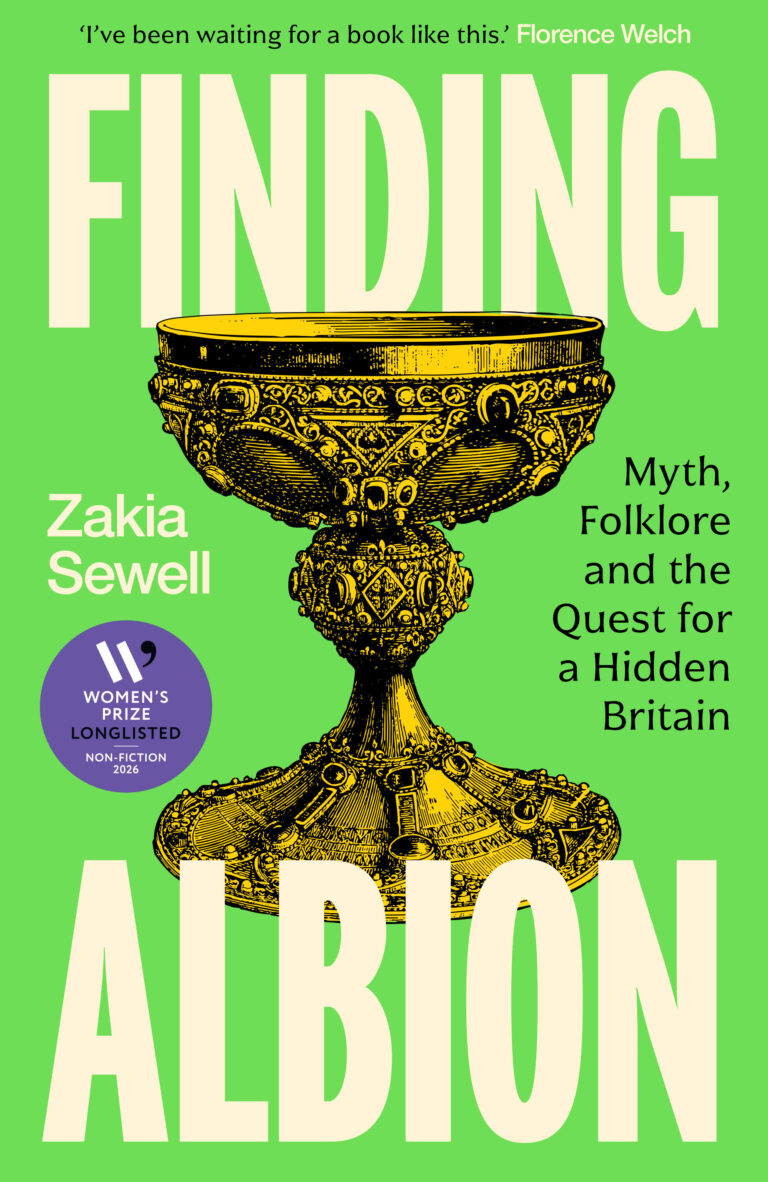
Zakia Sewell, author of Finding Albion
“Spend time experimenting with finding your voice and a style of writing that feels authentic to you. Be inspired by other writers, but remain true to yourself and your vision. If your subject is personal, consider the ways that you can make your writing feel universal at the same time; look within and without simultaneously. Ask yourself: ‘what do I want to contribute?’, ‘who or what does this book serve?’, ‘what do I want people to feel when reading?’ On a practical note — stay organised, find a system for organising your research and remember that sometimes the time spent not writing is just as important as the writing itself, particularly when one gets stuck.”
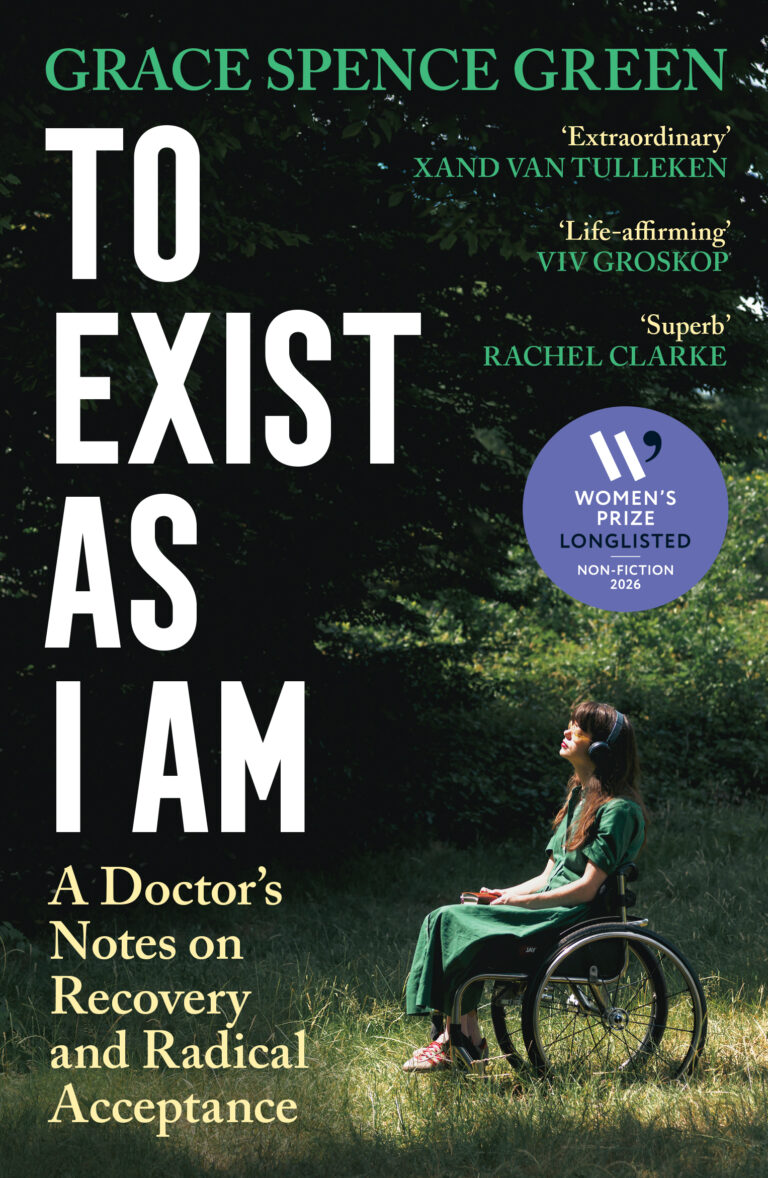
Grace Spence Green, author of To Exist As I Am
“Be honest, brutally honest with yourself. Think about your own bias. Push as far as you can even if it’s uncomfortable. I think vagueness, opaqueness in non-fiction is the easiest way to lose a reader. I’d also advise to try and be as receptive as you can to feedback, I think it can feel particularly (painfully!) personal in non-fiction, but I really had to undergo an ego death to be completely open to suggestions and edits from my fantastic editor.”
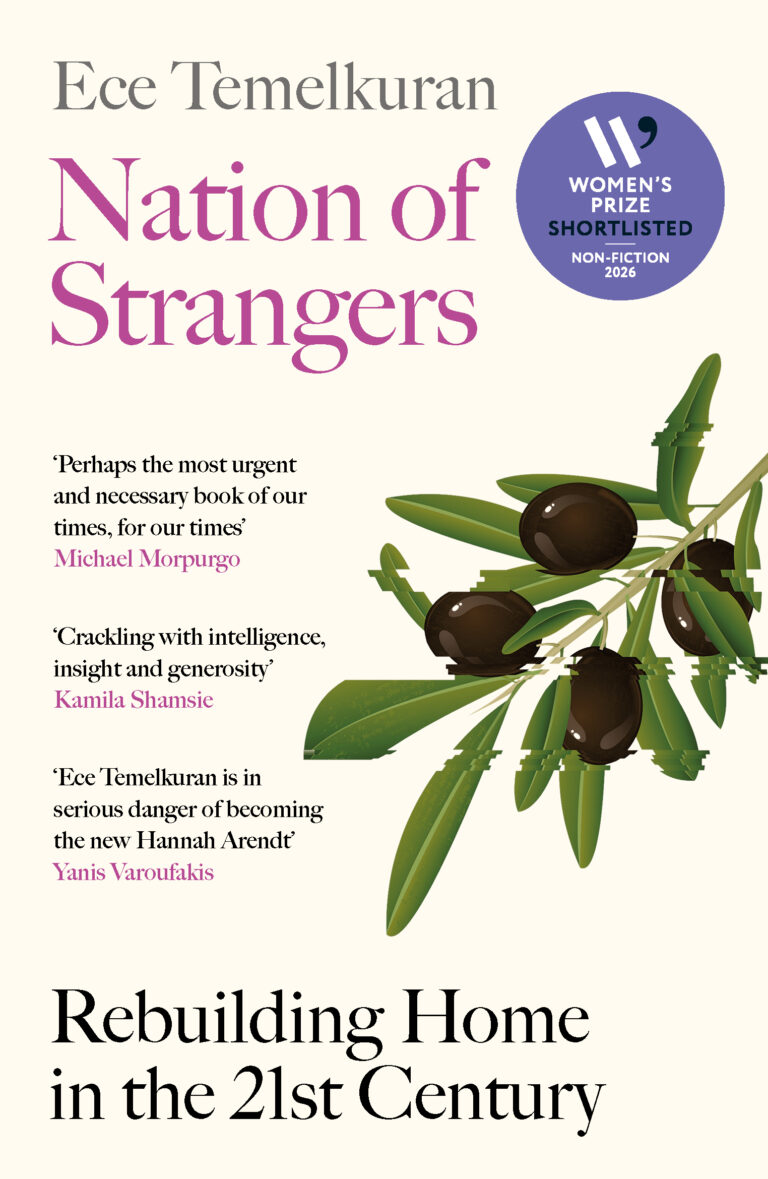
Ece Temelkurn, author of Nation of Strangers
“Look inside yourself and write the story that leaves your soul wordless yet with that incurable urge to speak. Only then are you truly on a journey of discovery through writing.”
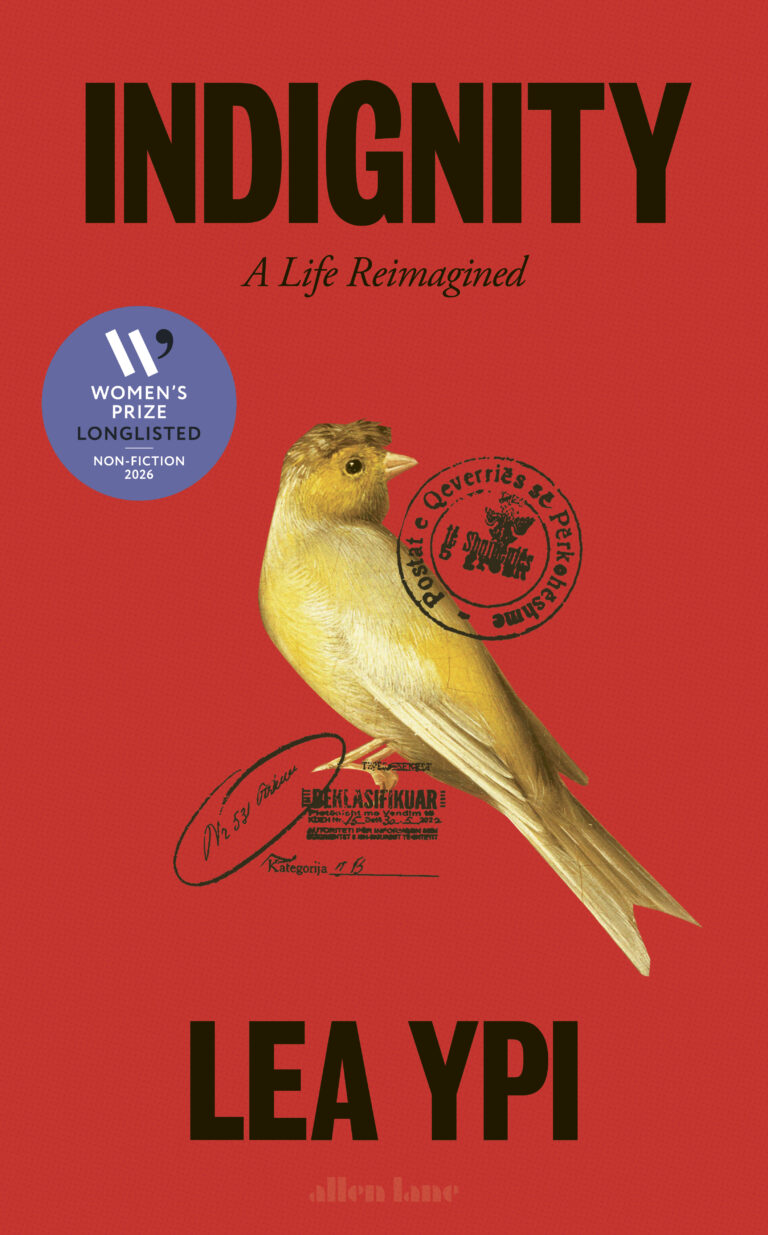
Lea Ypi, author of Indignity
“I am not good at giving advice. As Thomas Mann said, a writer is someone for whom writing is harder than for other people. Nothing helps, except reading. Maybe.”
The 2026 Women's Prize for Non-Fiction Longlist
The 2026 Women's Prize for Non-Fiction Shortlist