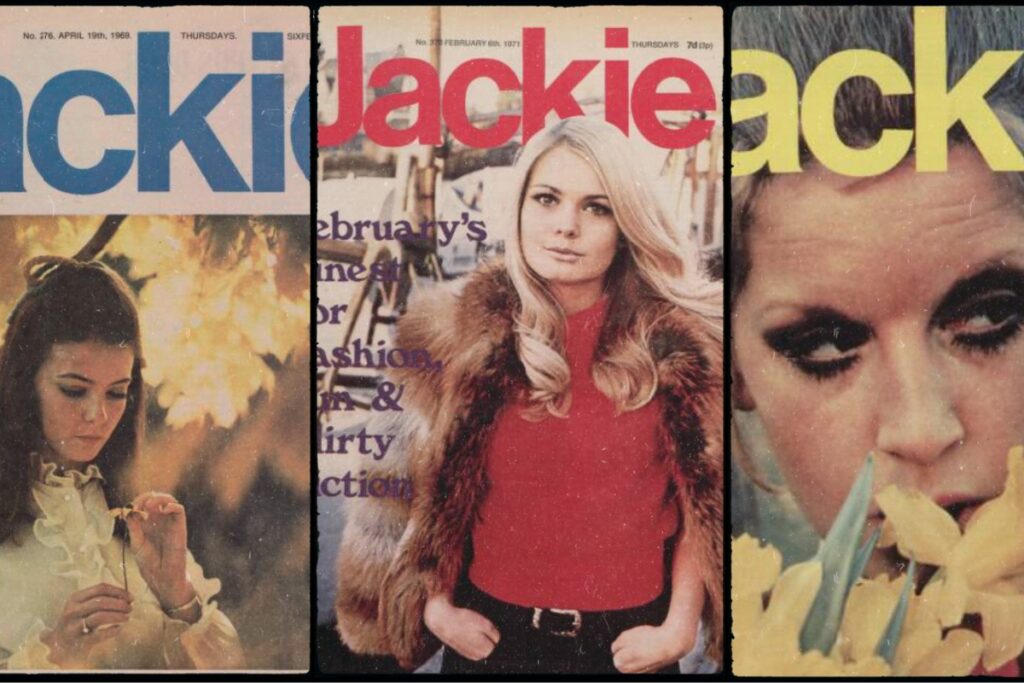
First published in 1964, teen magazine Jackie became a cultural touchstone for thousands of girls across Britain. At its height, the publication sold over one million copies a week, becoming a mirror of everyday teenage concerns for nearly thirty years, until its final issue released in 1993.
Now digitised exclusively by Findmypast, Jackie offers non-fiction writers and researchers the opportunity to bring both source and atmosphere into their writing. A unique repository of the world of everyday young women in the 20th century, researchers can delve into its pages and learn how this period felt – its growing pains and aspirations alike.
In that vein, here are six ways non-fiction writers might use the pages of Jackie to inspire and inform their work, framed through the magazine’s own features, and accompanied by a selection of writing prompts for you to try.
1. Problem Pages
An ever-popular feature of Jackie, recurrent agony aunts Cathy and Claire received some 400 letters from readers a week. An exploration of these pages can unwrap the hierarchy of advice culture, as well as revealing the emotional history of, and problems faced by, teenagers in the late 20th century.
Writing prompt: pick a dilemma from the 1970s and reframe it for 2026. What has changed over the decades, and what remains the same.
2. Celebrity spreads and popstar posters
Think of Jackie and no doubt posters of David Cassidy and David Essex spring to mind. For writers interested in fandom studies and the formation of parasocial relationships, Jackie is a goldmine waiting to be explored.
Writing prompt: compose a short reflection on the first public figure you felt connected to. How did media help to create the intimacy you felt?
4. Picture stories
Taking on different forms throughout the magazine’s existence, from drawings to colour photo spreads, picture stories in Jackie provide a rich landscape of cautionary tales and romantic storytelling. Such stories can help to immerse your writing within the moral and emotional frameworks of this period.
Writing prompt: find a cautionary tale and write an alternative resolution to the story. What would need to shift culturally for the new ending to feel plausible?
5. Horoscopes
A Jackie mainstay, horoscopes offer an anthropological window into the hopes and fears of teenagers, and how their identities were shaped through the reassurances offered by these weekly insights.
Writing prompt: imagine if future historians only had horoscopes with which to understand a decade, what conclusions might they draw? Compose a short piece imagining that you are such a historian, tasked with interpreting astrology as archive.
6. Fashion and Beauty
Although we might cringe at some of the looks offered by Jackie over the years, the magazine is a fantastic repository of fashion and beauty history. Not only do such fashion and beauty spreads illuminate what was in vogue, they provide important commentaries on social class and economics, the costs and pressures of material culture. Jackie’s makeover pages offer a revealing example of these forces.
Writing prompt: analyse a makeover page as if it were a transformation story. What is being ‘improved?’ What is being taken away?
7. Pastoral advice and care
Perhaps a surprising element of Jackie was the presence of pages dedicated to pastoral advice and care. Such pages, for example, covered advice on dealing with depression, whilst others provided practical career advice. These articles paint a picture of not only how girlhood and womanhood was experienced, but of how they were expected to be experienced from the 1960s onwards.
Writing prompt: compose an advice column for young women experiencing the pressures and issues of the 2020s. Are there parallels you can draw with your advice and the advice of decades before?
In a time before TikTok or Instagram, magazines were the social media of the day, a place to connect, a place to belong, and as such, the cultural zeitgeist of Jackie offers so much to fuel the minds and pens of non-fiction writers and researchers. What stories of late 20th century British youth culture can you unlock from the pages of Jackie?
If you’re interested in browsing the pages of Jackie to inspire your writing and research, head across to Findmypast – sponsor of the 2026 Women’s Prize for Non-Fiction.
Rose Goodall is a published author and Newspaper Licensing Manager at Findmypast, where she works to bring the past to life through the power of storytelling.