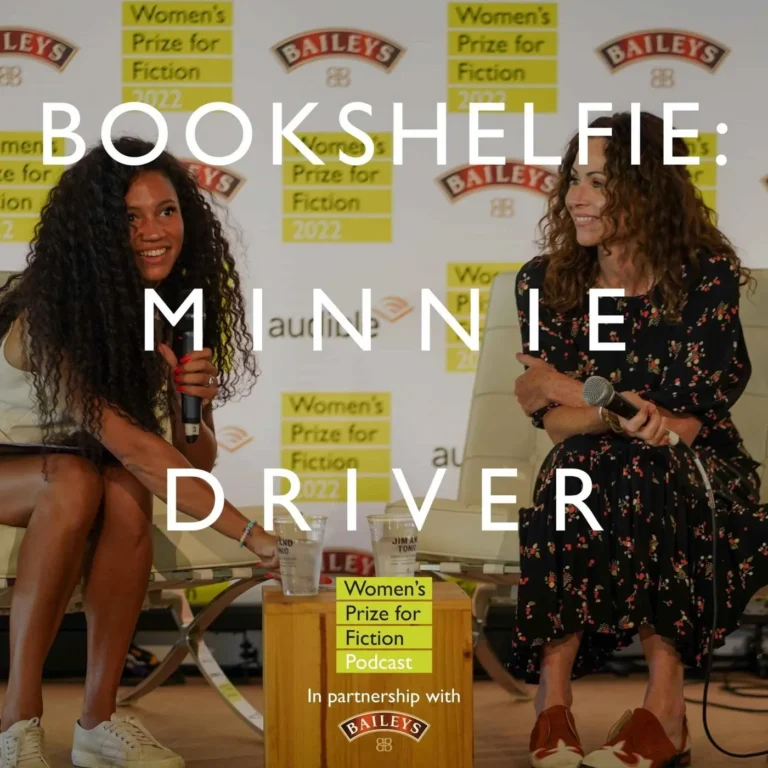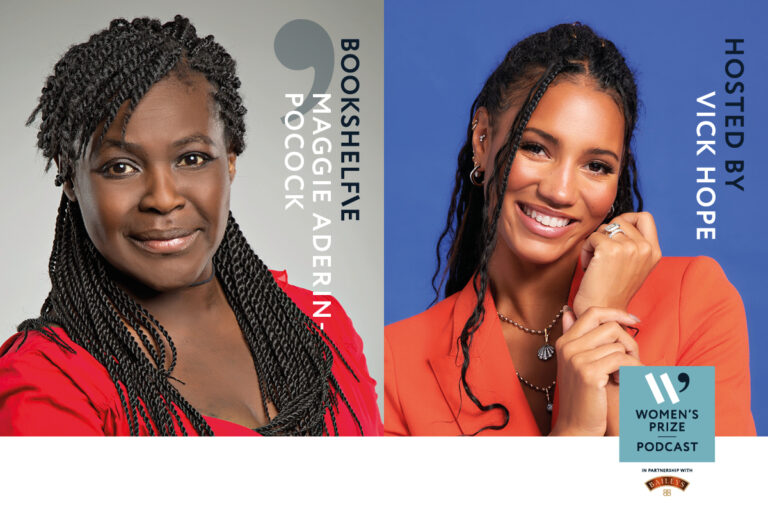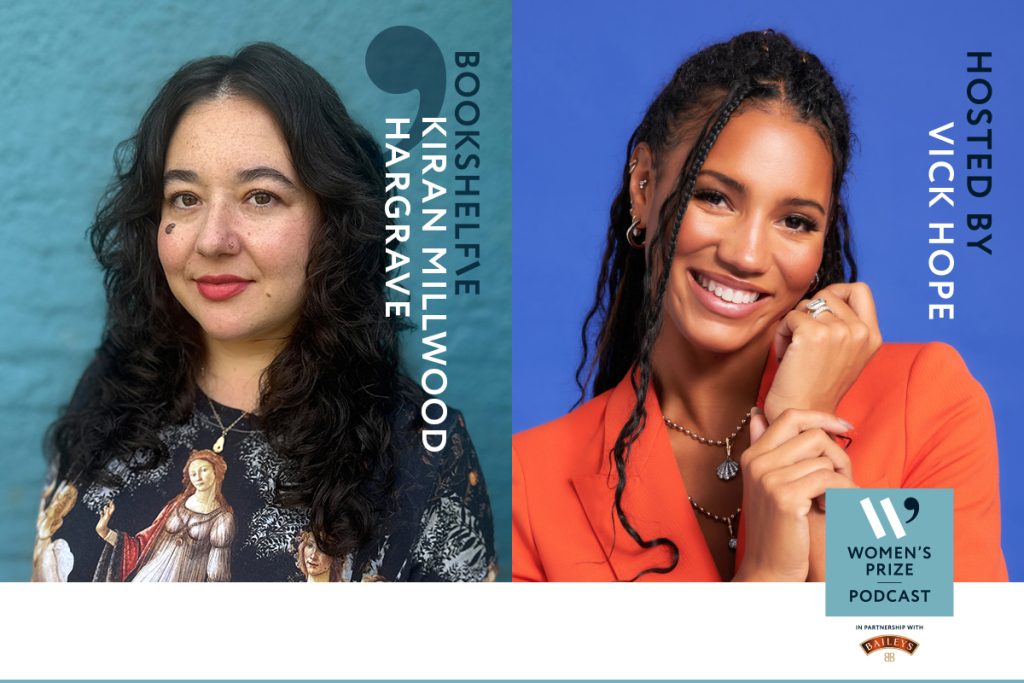
Our host Vick Hope is joined by Kiran Millwood Hargrave.
Kiran is an award-winning poet, playwright, and novelist. The Mercies was her first novel for adults, and became an instant Sunday Times bestseller. It won a Betty Trask Award, was longlisted for the Jhalak Prize and was named among the New York Times 100 Most Notable Books of 2020. Her bestselling works for children include The Girl of Ink & Stars, and her new book Almost Life, a queer love story that spans decades, is out now.
Listen to the full episode here and read on to discover Kiran’s five most influential books by women.
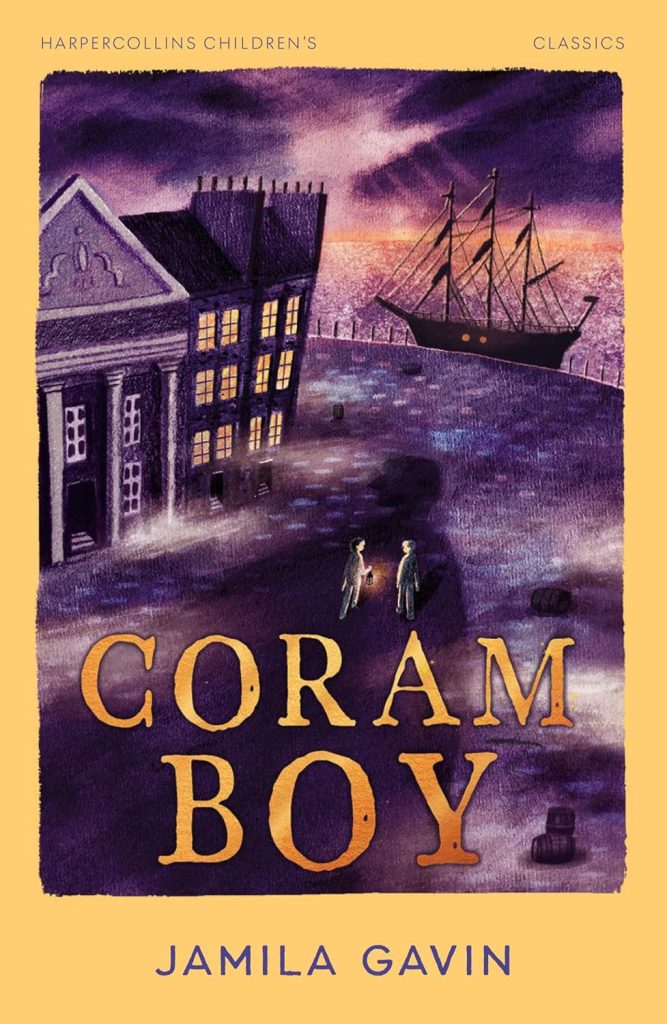
“It’s horrifying. But it’s also incredibly humane. It’s incredibly vivid and beautifully written. And Jamila Gavin, in all her stories, has such a skill for telling you straight but always being aware that you might be encountering something for the first time. So she holds your hand. And I think you feel safe with her. She’s not going to pull the rug out. So I remember feeling like I was being held down in my chair and being not forced, but being made to hear something I needed to hear.”
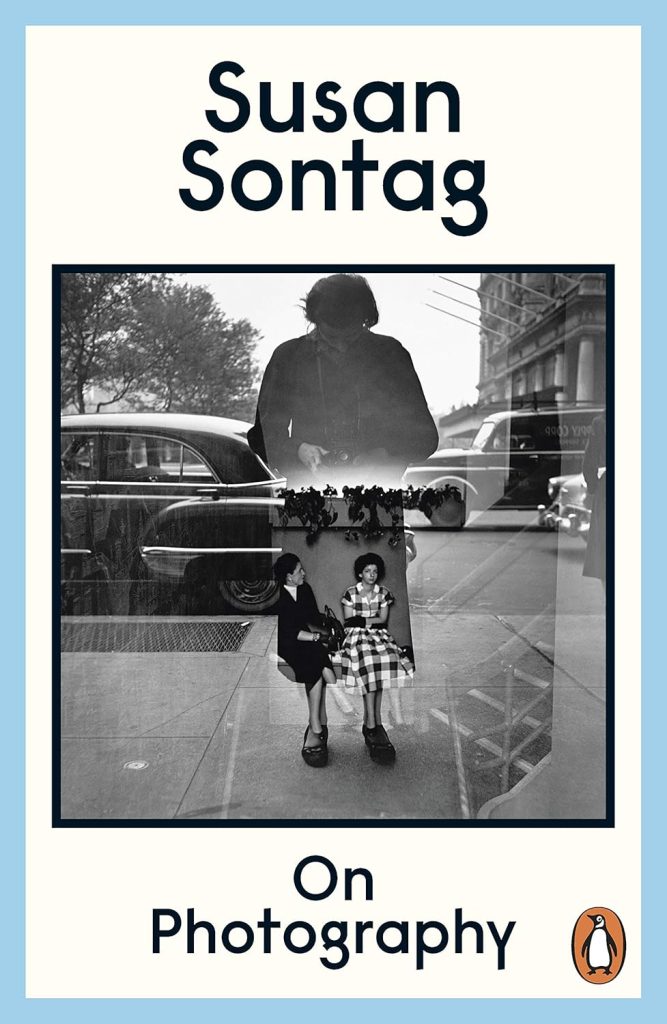
“When you read Susan Sontag, there is a confrontation in the way that she writes that is critical. It’s like you are implicit in this. And this is a book that’s all about how photography changes our relationship with reality and how…she talks very interestingly about, for example, war photographers and how they become complicit in the crimes that they are photographing. And yet the camera allows them to dodge that complicity. And so that’s extra harmful.”
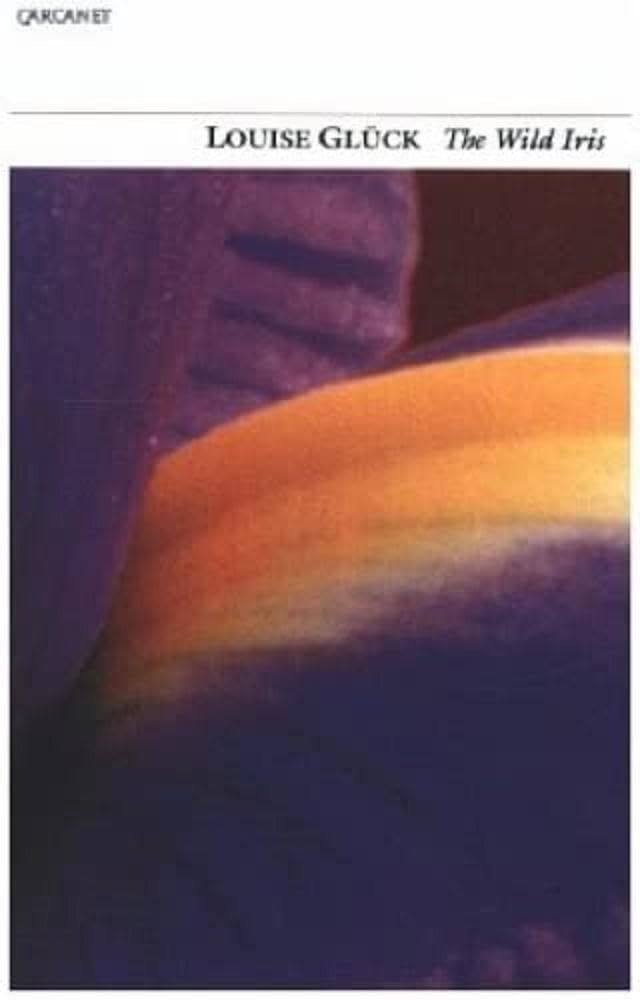
“The Wild Iris speaks so beautifully about death at a time when suicide ideation was part of my daily life. And instead of feeling afraid of that, it almost became a comfort, it became like, you can do this because it’s always there. Death is a constant companion. And […] it takes you by the hand and it walks with you through the dying of a garden, through the beautiful blooming and then the quiet stillness, and then the cycle starts again, and the title poem is really about that what comes after, and, yes, there’s a metaphysical spiritual aspect to it, but there’s also just a concrete biological aspect to it that we are all living things and we all earth and stars, and I just found the grounding of that incredibly comforting.”
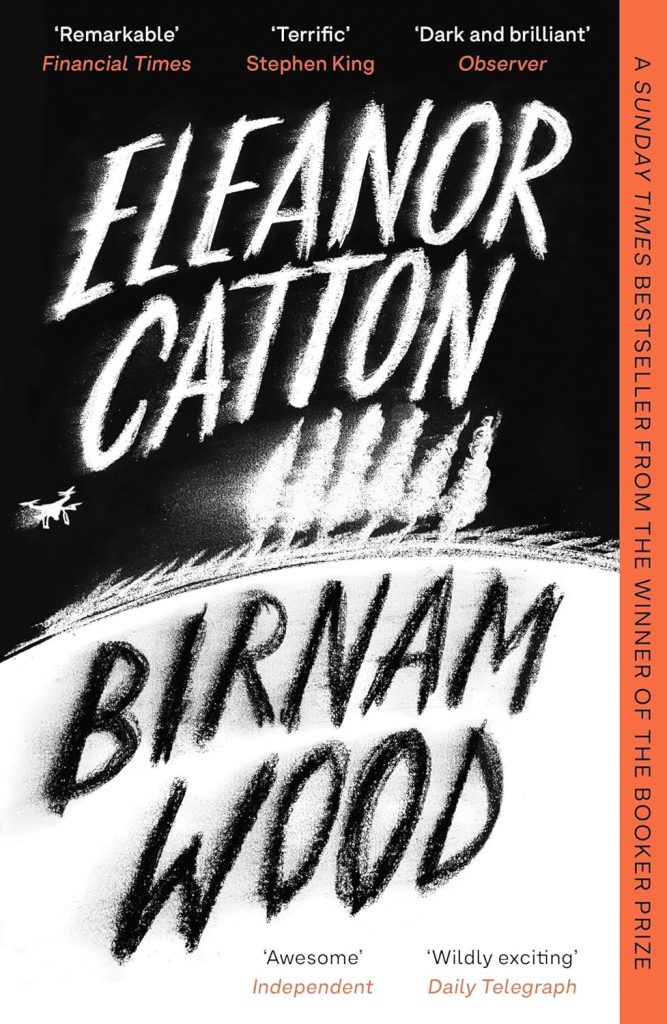
“This made me laugh out loud from the very first page. I read it on our baby moon and I was just the whole day cackling. And it’s pretty dark at points as well. There’s a lot of stickiness and a lot of uncomfortable reflections about millennial culture and attitudes to life, but I think the humour is really what stays with me.”
“This really affirmed the philosophy that I had already been prescribing to, probably since about 2016, about how we have really been done dirty by the pervasive narratives, like all of us, men and women and everyone else as well. Everyone is being harmed by the current system. And obviously I have to believe in karma because it’s all that keeps me sane. So I do believe that all will be harmed at some point. But I just loved how plainly and cleanly Le Guin sets out a case for care and a case for love. And as a children’s author, you’re kind of contractually obliged to believe in love as a very powerful, motivating force. But it really is, you know, more than fear.”