Our host Vick Hope is joined by Kathryn Stockett.
Kathryn was born and raised in Jackson, Mississippi. After graduating from the University of Alabama, she moved to New York City, where she worked in magazine publishing and marketing for nine years. Her first novel, The Help, which was first published in the US back in 2009 has sold over 1 million copies in the UK and 15 million copies worldwide. Seventeen years later, her new novel, The Calamity Club, is published by Penguin Books and out now.
Listen to the full episode here and read on to discover Kathryn’s five most influential books by women.
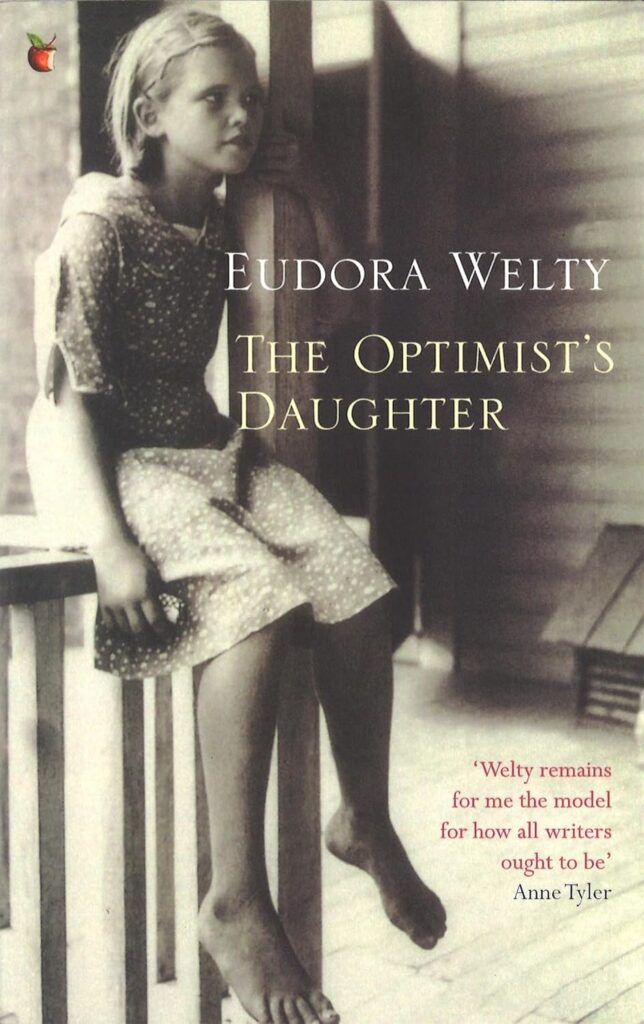
“She understands how to construct a sentence in such a surprising way where at the end you’re smelling the South, you’re hearing the sounds, and yet you’re looking at it sort of from above and and understanding how complicated Mississippi is and the relationships between Blacks and Whites. Eudora Welty was [working] in the 1930s when there were no jobs for women during the Great Depression. She was hired by the Works Progress Committee and she took a camera and went around Mississippi and took photographs of people no one was taking photographs of […] it was just so unusual to see a woman behind a camera at that time. I studied her photographs so much. They informed me so much about that time in history.”

“Just to read a story by a woman from Mississippi who was only a few years older than me and to tell it so fantastically. It gave me permission to take writing seriously. It’s really what opened the door for me. So at 22 years old, you’re reading this book that is so rich, that is so beautifully written. […] I mean, just the way that she could describe a character so economically in just a few sentences, and you could see them, and you could hear the screech of Bunny’s voice in your head and think, oh, I would definitely kill him.”
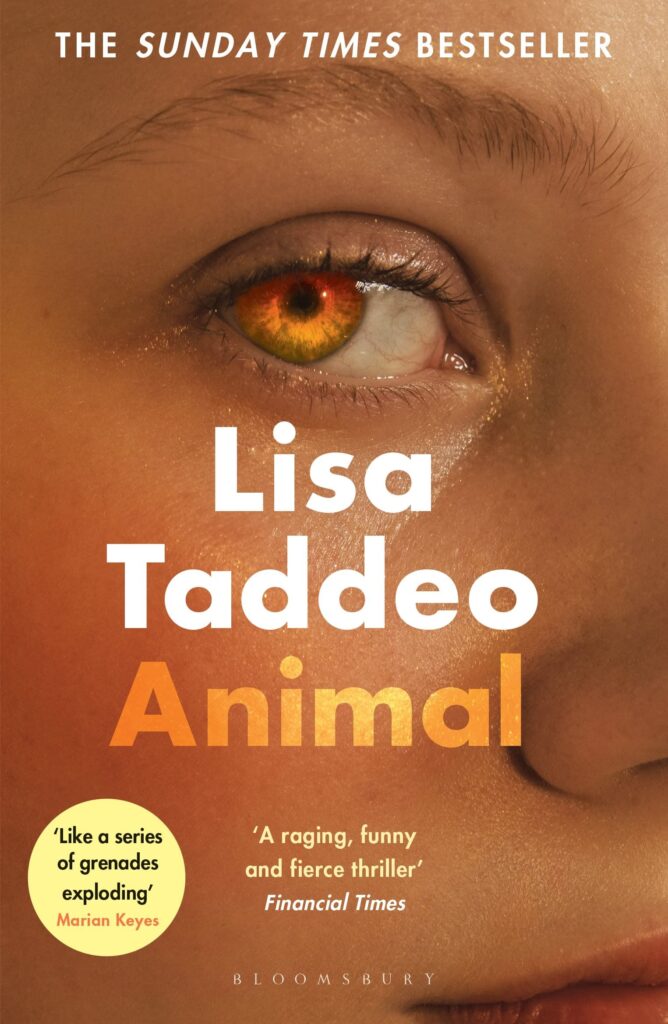
“Well, I read Three Women, which was Lisa Taddeo’s kind of breakout book, and I just kept going. You know, once you read a book by somebody and it’s so good, then you go back to the store and you start scanning what else they’ve written. And when I read Animal, I mean, it blew my mind. I just feel like this book has not gotten the attention that it deserves. The thing that Lisa knows how to do is put you in the very visceral present and in just that same sentence, take you to the past of something kind of horrifying that happened and then bring you back to the present all in sort of the same stream of thought. It floored me. It taught me about… time travel as a writer, how important it is and and the techniques that we as writers have to use so that you the reader can understand okay here we are in the the present of the book, but you need to understand where this character came from, how they grew up, who their parents were. Even if we don’t tell you about all of those details, we certainly need to know as writers about those questions.”
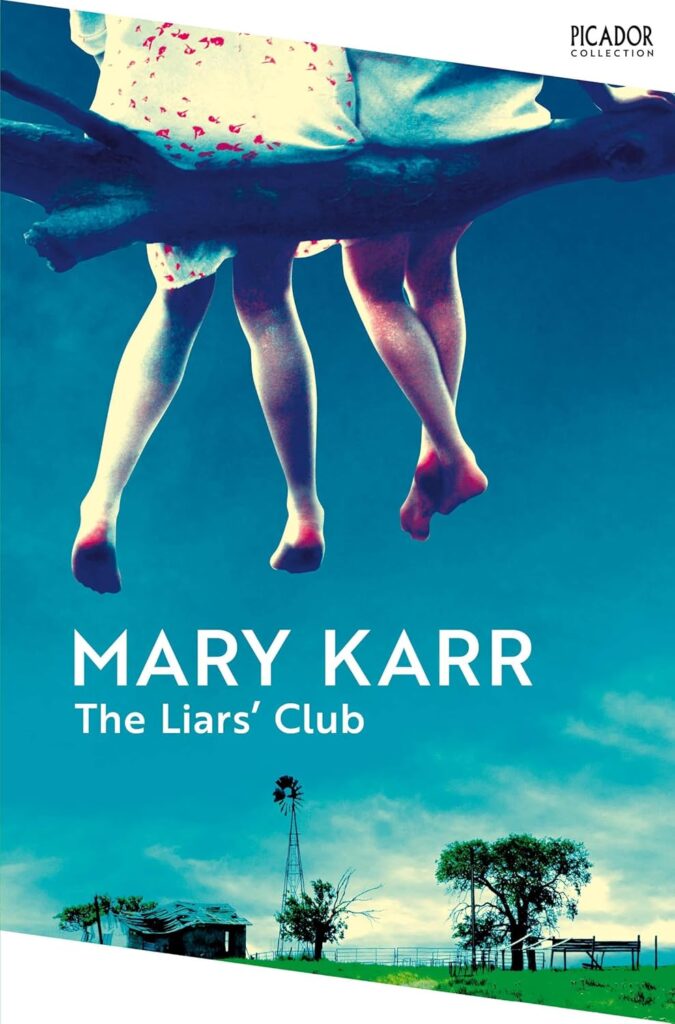
“I mean vulnerability is what helps the reader identify with the character and it’s what me as a writer identifies with these people on the page so we have to be vulnerable to get to know someone […] but Mary Carr, you know, she was just this scrappy kid, and she always kept her chin up and her fists clenched, and yet you see this child, this girl child, [..] fighting her way through her life in Texas surrounded by crazy people and I just thought she was so brave and I love to write about underestimated people, the underdogs.”
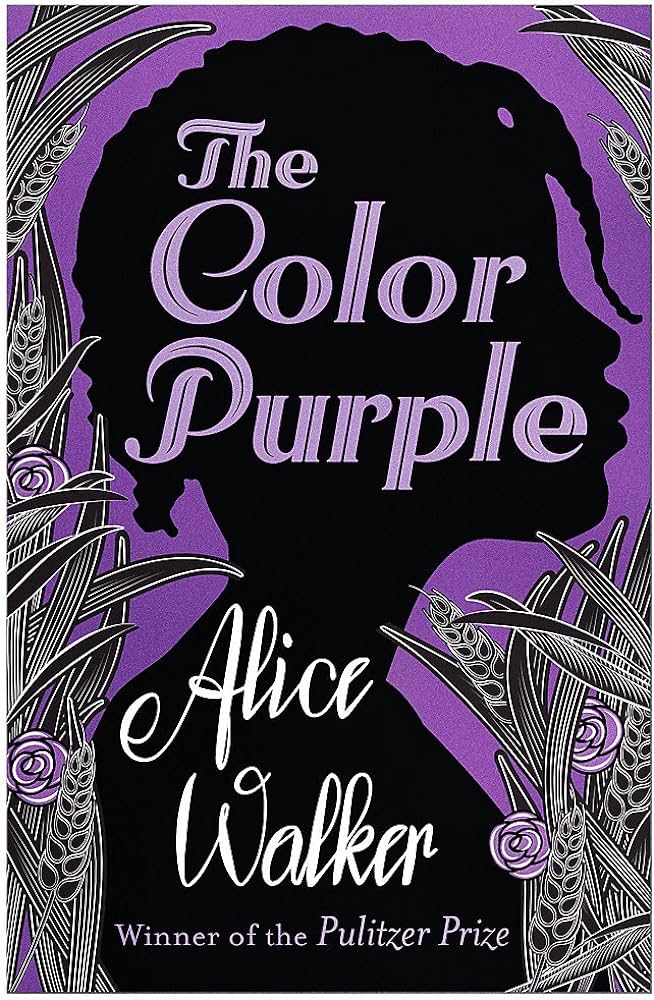
“I mean, just as a Southerner, this was the book that taught me, forget all the English writing that I learned in school, writing a straight sentence, constructing it very academically. Alice Walker taught me how to put a voice on a page. You can hear Celie’s voice. You can smell the south. You can see the colour of the dirt. And for me, it’s always about voice. Anytime I sit down to write a story or a chapter, it’s the voices that come up first.”