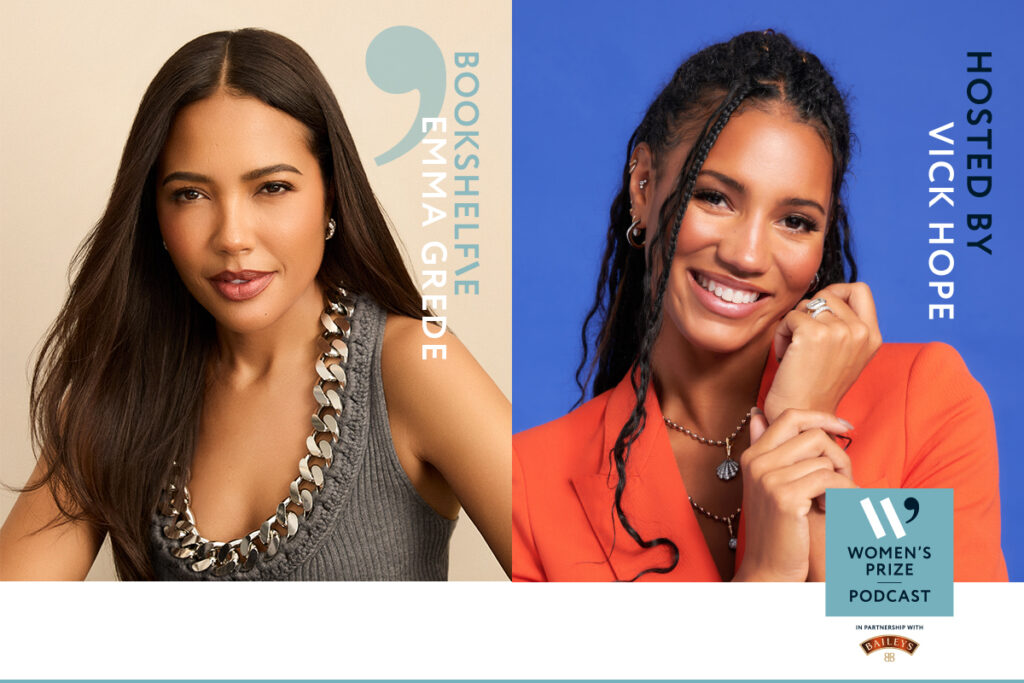
Our host Vick Hope is joined by Emma Grede.
As a pioneering British businesswoman, Emma has broken barriers worldwide. She is the Co-Founder and CEO of Good American, a B-Corp certified brand setting new standards for inclusivity in fashion, and a Founding Partner of SKIMS, now valued at $4 billion and recognised as one of the world’s most influential apparel brands. She also serves as Chairwoman of The Fifteen Percent Pledge, leading real systemic change to support Black-owned businesses. She’s the first female judge of colour on ABC’s Shark Tank, a guest investor on the UK’s Dragon’s Den and host of her incredibly successful podcast Aspire with Emma Grede.
Emma also invests deeply in young people in the UK – recently announced as an ambassador for The King’s Trust, joining their Destination Unknown campaign to help young people into employment. Earlier this year, she visited her old school in East London and hosted a workshop with Milk Honey Bees, inspiring young Black girls through creativity, entrepreneurship and self-expression.
Her debut book, Start With Yourself is a bold, no-BS guide to building meaningful success on your own terms. Part memoir, part playbook, it’s packed with the mindset and tools that helped Emma defy the odds to become a serial entrepreneur, co-founder of culture-defining global brands, and non-profit champion – all while raising four children.
Listen to the full episode here and read on to discover Emma’s five most influential books by women.
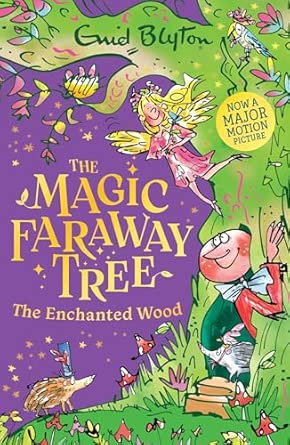
“I had to backtrack and go, when did I read this? I remember being in Kerwin Primary School. So I was, you know, under the age of 11. And, you know, I’ve said it a lot of times, but I am really severely dyslexic. And so when I got those books, they were big books. They were chapter books. And I remember struggling. And yet, I was so enamoured by the story, so taken with the characters, that I would do anything to kind of get my way through it. And I think that that might have given birth to my love of reading. Like, that was one of the first things because it was so mystical and so magical and even now, I’m like, I can see what I saw. It still takes you to that place.”
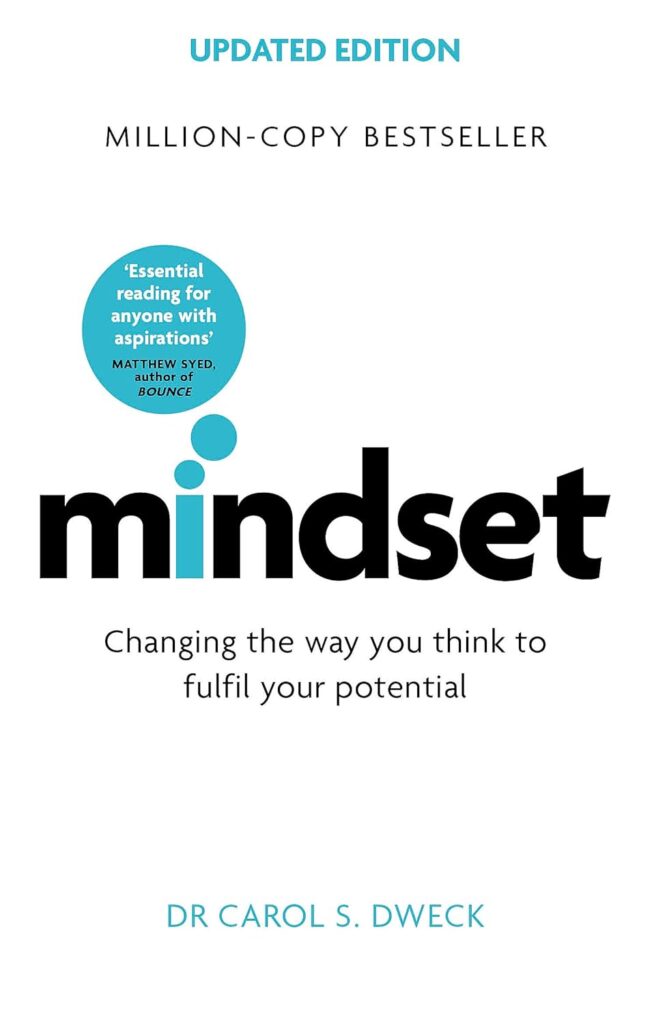
“I mean, I don’t know that there’s a right mindset. I think that what this book did for me was explain a lot that therapy or self-examination really couldn’t. She gave me the language for understanding who I was. And basically, Carol’s thesis is really about fixed mindset versus growth mindset. And if you have a fixed mindset, it’s exactly what it sounds like, right? You believe that your abilities, what you think about yourself is finite. Growth mindset for all intents and purposes is that whatever you have you can adapt and grow it, like you can shift and change and your belief system. No one had ever explained that to me, but I’d always described myself as a lifelong learner, someone that was consistently in learning mode. And what I’ve done throughout my adult life are find things to kind of stretch myself and as you do new things, you basically create new neural pathways, which allows and expands your ability to learn. So I learned to swim at the age of 40. You know, I was like, you can’t have four kids and not be able to swim. That’s ridiculous. So I went and learned to swim.”

“I watched [Oprah] religiously, and honestly, she’s almost the reason this book is called Start With Yourself, because she spoke about radical self-responsibility. Being in America, having an understanding of systemic oppression, systemic racism, systems that keep people down. And this idea of radical self-responsibility was something that she described in such a way, and as a kid, and being relatively… uneducated, I was like, okay, I’m going to do that. And so I just started reading, consuming, watching and have throughout my life followed her.”
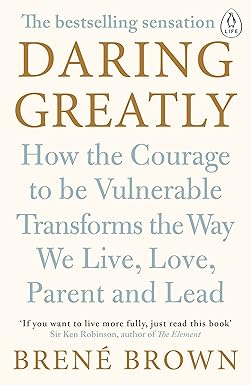
“Essentially what [Brené’s] saying is, when you are the person who’s in the arena, you’re the one doing the work, you’re the one going out there and putting your vulnerability out, you shouldn’t accept noise from those who are simply not in the arena. And I was like… Game changer. To me, that was a lightning bolt. And I was like, oh, okay, let me just get back on with doing what I’m doing.”
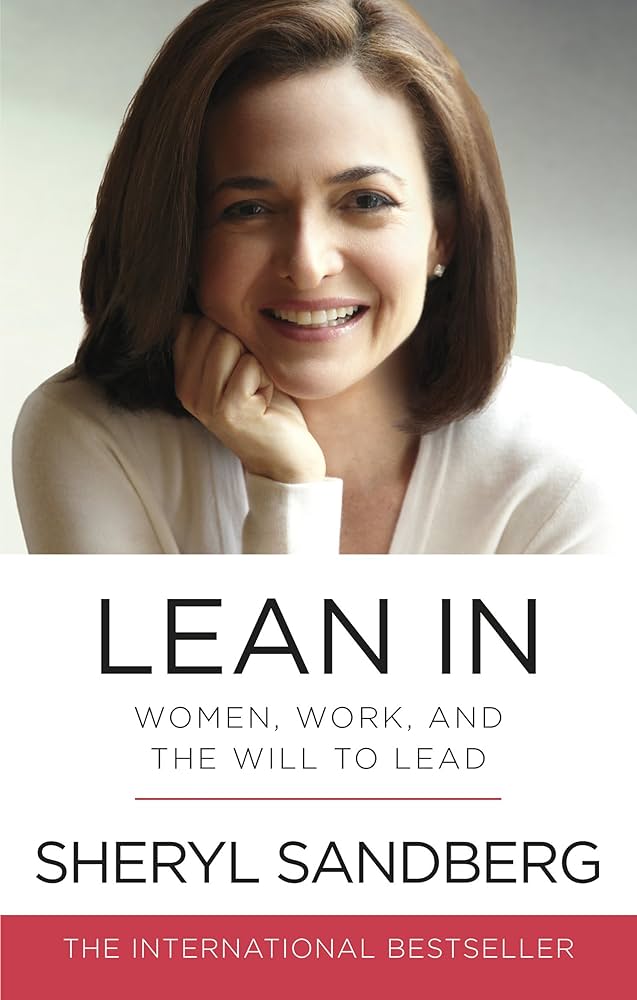
“I bought it for every single woman in my office. I maybe had like 35 staff at that point. And then I read a few more chapters and I went out and bought it for all the men. I was like, oh, missed the point there, Emma. OK, buy it for everybody. It was really a landmark read for me because I had never encountered some of those thoughts, those arguments. I was behaving like a lean-in woman, I always talk about this idea I was born leaning in, that’s just how I was raised. I come from a family where the women were all very clear about their intentions, there was no hiding behind what anybody wanted, but she articulated it in a way that for me working a corporate job, operating in a corporate environment where there was – in my head – a lot of people that restricted me from the things that I thought that I should have. She made me become a different leader.”