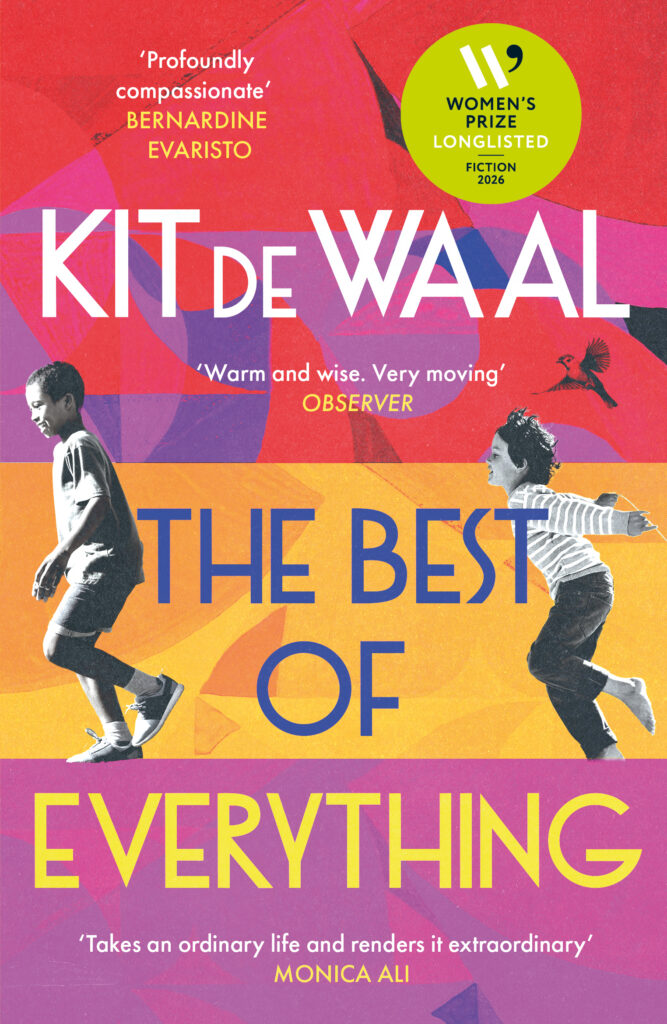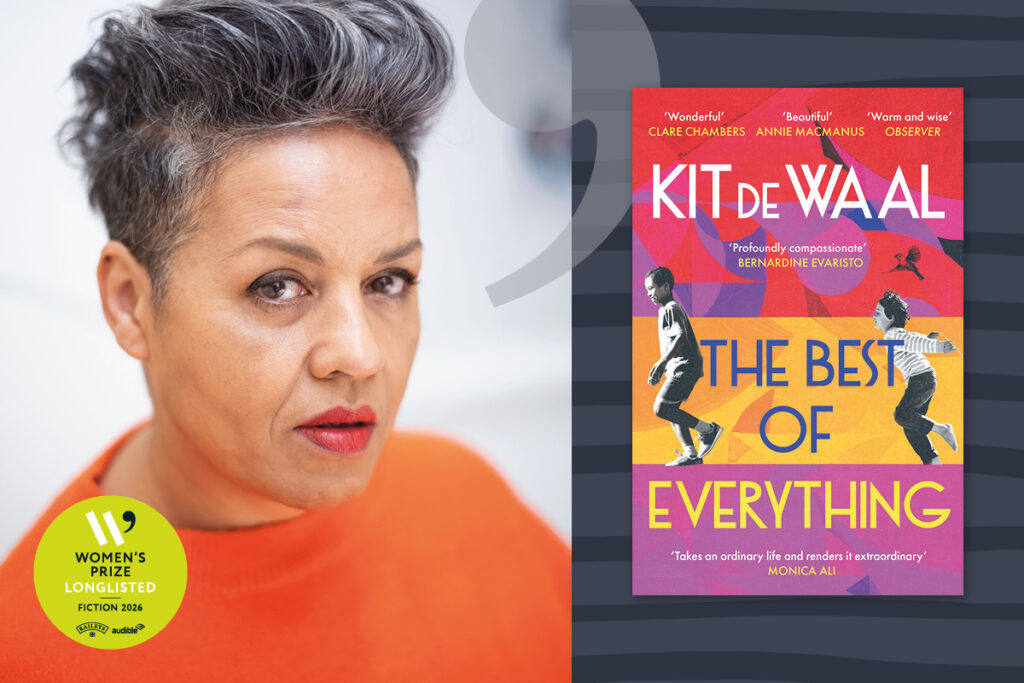
The Best of Everything by Kit de Waal follows the life of Paulette, a working-class Caribbean woman in 1970s Birmingham, in a cathartic and uplifting celebration of found families, and the life-changing power of kindness and love.
Longlisted for 2026 Women’s Prize for Fiction, judge Salma El-Wardany said: “The Best of Everything by Kit de Waal is a beautifully written book about a woman’s longing, kindness, chosen family, and finding happiness when the odds are against you. It left such a mark on me.”
To learn more, we spoke to Kit about her inspirations, creative process, favourite authors and more.
Congratulations on being longlisted for the 2026 Women’s Prize for Fiction; how does it feel to be longlisted and what does it mean to you?
The best kind of unexpected surprise and a career high.
How would you describe your book to a new reader?
The Best of Everything is a book about an ordinary woman of extraordinary kindness and strength who, despite many difficulties and loss, stays true to herself, gives of herself and ultimately finds peace, joy and a new way of living.
What was the idea that sparked your novel?
My novel grew out of a previous manuscript that didn’t work. The reason it didn’t work is because Paulette didn’t have enough room to grow. So I took her out of that book and gave her the space she needed to flourish and to be understood.
What did the writing process, from gathering ideas to finishing your book, look like?
Once I had decided that this was Paulette’s story, the book was not difficult to write. I wrote it quite quickly because I already knew the plot.
Which female author would you say has impacted your work the most?
Molly Keane.
What is the one thing you’d like a reader to take away from reading your book?
I would like readers to feel the value of kindness and that love comes from and goes to the most unexpected places.
Could you reveal a secret about your creative process? This could be where you like to write, a unique writing ritual you have to unlock creativity, or how you go about writing.
I always plan my novels in advance and do a spreadsheet for every chapter, colour coded and very detailed with timelines, characters and acts.
Why do you feel it is important to celebrate women’s writing?
It’s important to celebrate women’s writing because we live in a world where, still, there is so much discrimination, oppression and misunderstanding. But that’s a negative reason. The positive reason is because women write with wisdom, compassion, verve and bravery, because they explain the world from a unique perspective, because despite everything they are – we are – unstoppable.