Our host Vick Hope is joined by Tayari Jones.
Tayari is the internationally bestselling author of five novels, including An American Marriage, which won the Women’s Prize for Fiction in 2019. It was also an Oprah’s Book Club selection, was included on Barack Obama’s summer reading list and has been published in two dozen countries, selling over 350,000 copies in the UK alone. Tayari was born and now again lives in Atlanta, Georgia, and is currently professor of Creative Writing at Emory University, and an Andrew Dickson White Professor-at-Large at Cornell University. Her most recent novel, Kin, was an instant New York Times bestseller, and has been named a Best Book of the Year so Far. It’s also another Oprah Book Club Selection; Oprah called it, “a masterpiece of a novel that will live with you long after you turn the last page.”
Listen to the full episode here and read on to discover Tayari’s five most influential books by women.
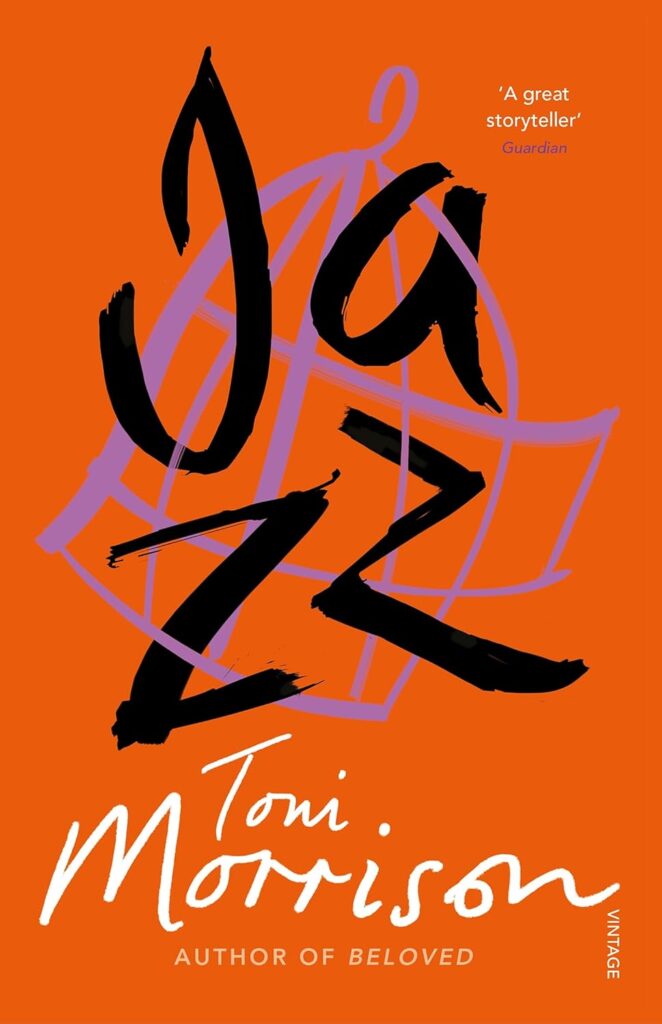
“Well, there’s so much to love about Morrison. She’s my favourite writer. And one of the things that she does is which so interesting is that she writes about ordinary people, but raised with her language. She raises them almost to the level of myth. And yet they’re still recognisable, which means that when she takes ordinary people and elevates them in her fiction, then it actually causes us when we see ordinary people to elevate them in our minds. You know, she is an advocate for the complexity of daily life.”
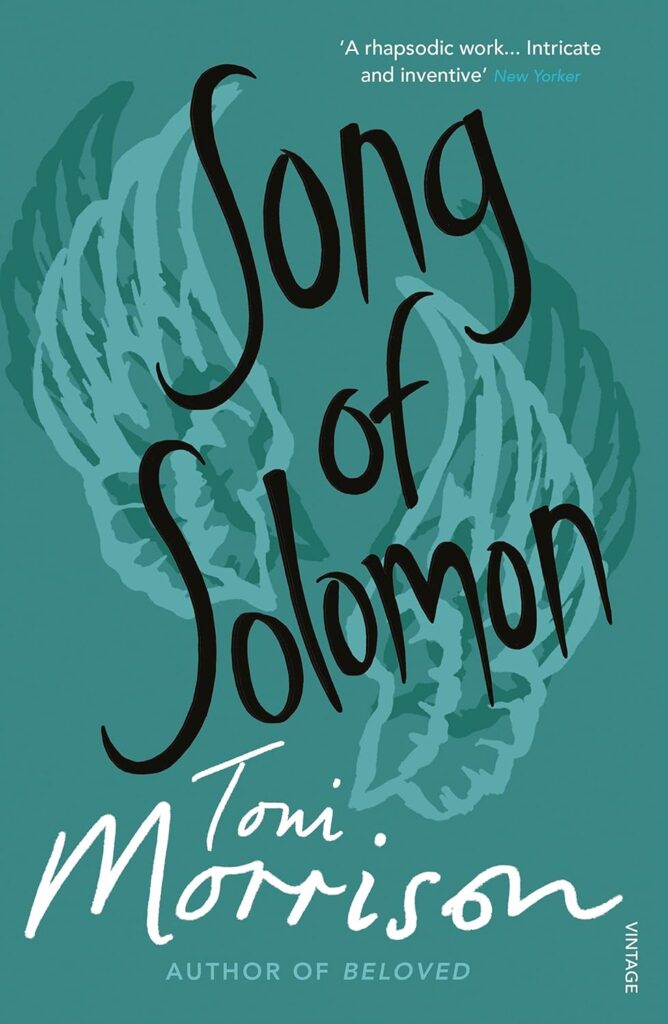
“I do believe it’s the greatest novel I’ve ever read. And every time I read it, I get a deeper understanding. It’s interesting because it’s a feminist novel that’s written from a man’s point of view – that is a man coming to grips with his own role in patriarchal culture, while also looking at his role as a black man in America […] when he goes on this incredible journey to trace his roots, and he discovers that he is descended from an African who could fly, and he says to this woman, “my granddaddy could fly, my granddaddy could fly.” And the woman asked quite simply, “really, who he’d leave behind?” And it just kind of takes the air out of his sails. But that is the question. If this man has flown away from his troubles and gone back home to West Africa, who did he leave behind? So I just, just even talking about it now, I feel the chills up my arms because the hard questions are asked and answered in that book.”
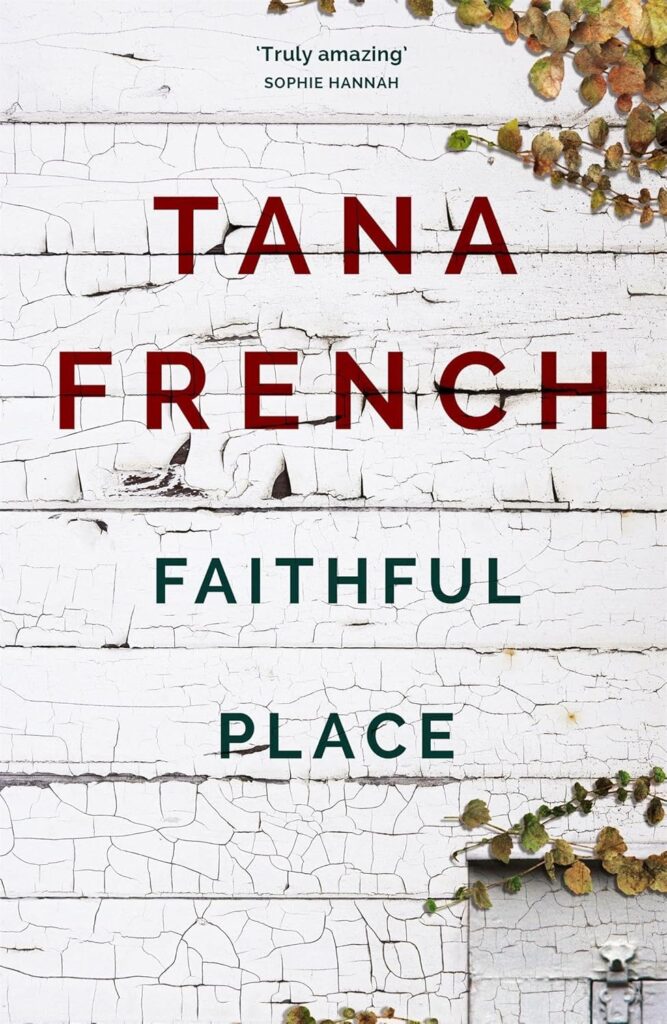
“I love to relax with a little murder. It takes the edge off for me. But I love Tana French. I think she’s the best person writing in the mystery genre today. I was shocked to find out that she’s not Irish. She’s from Chicago. You assume because of the lilt of the writing. And I was shocked. But I love Faithful Place [it] is so good.”
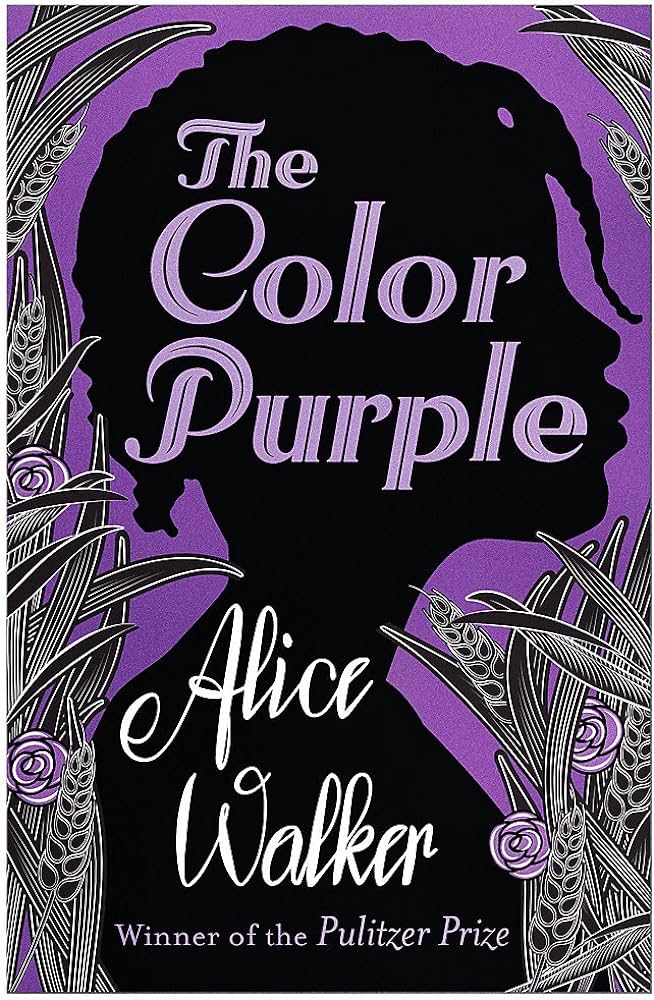
“Alice Walker is an incredibly optimistic writer. It’s so funny because when the book was published, people said it was so grim, it was so dark, because it deals with things of domestic abuse, child abuse, etc. But it is ultimately a novel of possibility where even the most unreformed man, by the end of the book, he is actually… sewing and talking about the nature of love and God and all of this, like Alice Walker believes we can all be redeemed. And every time I read that book, it reminds me of my own obligation or responsibility to write with the idea that there is hope because I never want to write a hopeless novel.”
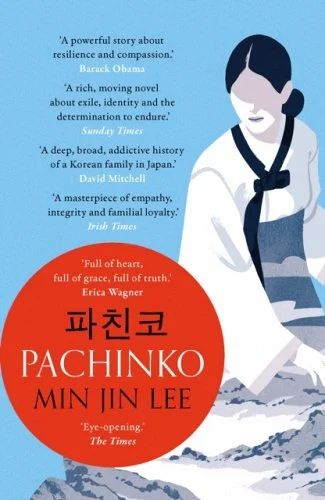
“It’s an epic story, it takes over four generations, over so many years and you can really see the ways what we inherit, the things we inherit and the things we choose not to pass down. What are the stories we tell? What are the stories we don’t tell? And this idea too of colonial occupation, we so often think only of the British in the United States, you know, colonising people left and right, which is true. But also this story takes this colonial question to a different physical space. So I feel you learn a lot reading it, but also sometimes you need a deep, ferocious intellectual cry […] I mean, it’s so rare that you can be completely destroyed by a novel that at the same time is so intellectually rigorous. It doesn’t choose between its head and its heart. It destroys you and then restores you.”