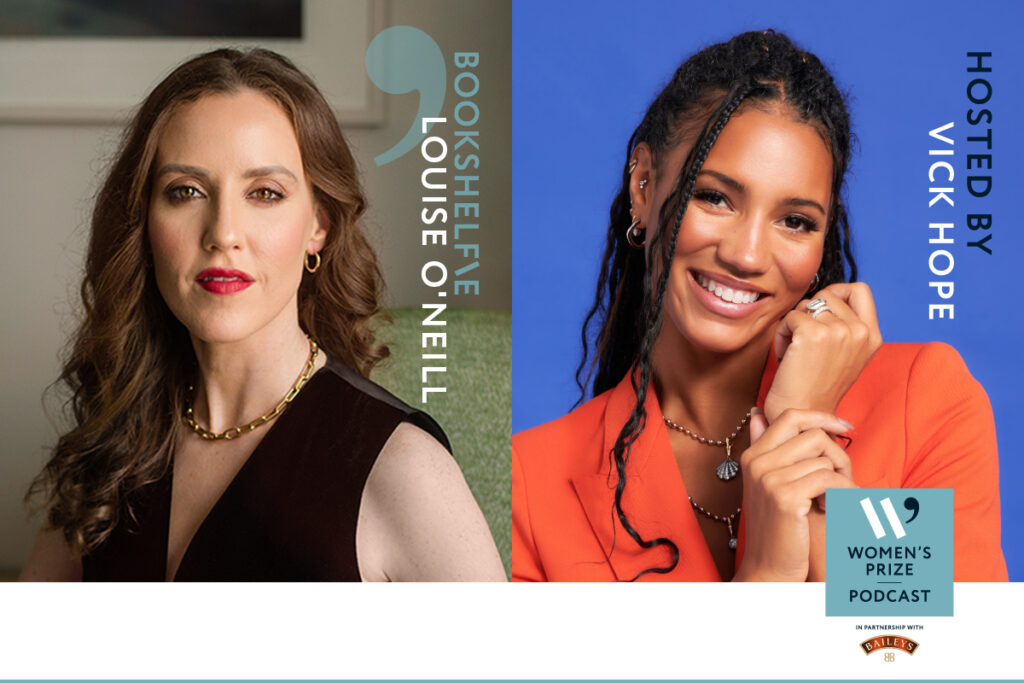
Our host Vick Hope is joined by Louise O’Neill.
Louise grew up in Clonakilty in the heart of the rugged coastline of West Cork in Ireland. After stepping away from a career in the fashion industry, she returned home to dedicate her time to writing her first novel, Only Ever Yours, a dystopian feminist story which went on to win The Bookseller‘s inaugural YA Book Prize in 2015. This success was quickly cemented following the release of her second critically acclaimed YA novel, Asking For It, which was voted Book of the Year at the Irish Books Awards the very same year, and spent 52 consecutive weeks in the Irish top 10 bestseller list. In the decade that followed she’s written three novels for adults and a YA feminist re-imagining of The Little Mermaid, and has not one but two more titles being published this year. Her latest novel, Whatever Happened to Madeline Stone? came out in April, and her first memoir, A Bigger Life, is out now.
Listen to the full episode here and read on to discover Louise’s five most influential books by women.
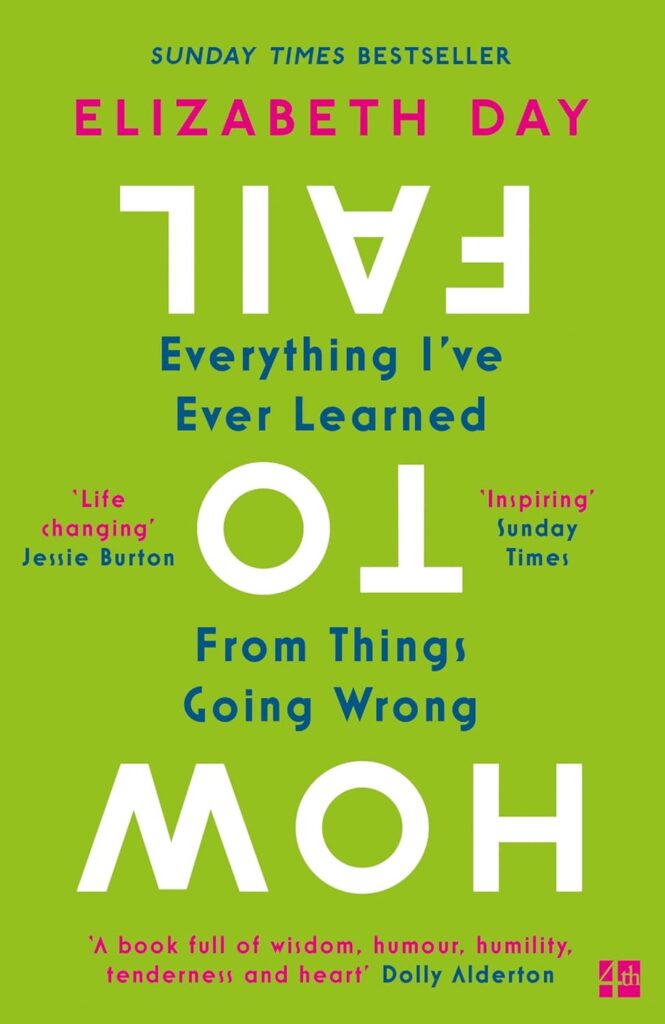
“I wanted to write for such a long time. But that fear of failing, of trying and failing was so strong that I found it impossible to even start. And I think with Elizabeth’s podcast and with this book. It’s just been a really interesting reframing of failure in that idea that actually perhaps failure is necessary, that it’s something that we need to experience and in order to build resilience and in order to learn about ourselves. And also, I think ultimately to kind of create our lives in the way that we the way that we want to. […] reframing it as a positive as something we can learn from is the most freeing feeling it completely changed the game.”
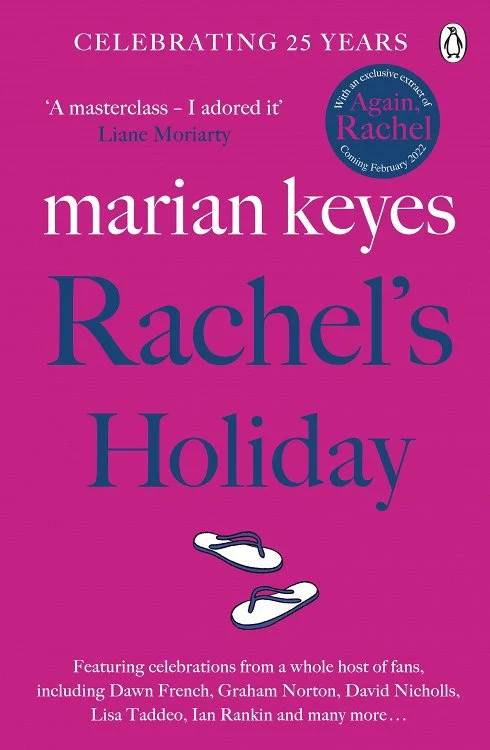
“When I first read it […] it really woke me up like it was genuinely this bolt of understanding out of the blue where I thought okay Rachel’s an addict and so am I. I’m not much of a re-reader because I read so often and there’s so many books that I want to read. […] But with Marian’s I do. Or it’s funny, sometimes, you know, she’ll mention a book, one of her own, and I can remember all the details perfectly. And I’m like, oh, this character, blah, blah, blah. And she always laughs and she thinks I’m being nice to her. And I’m like, Marion, I can barely remember the characters in my own books. I don’t know what it is. They’re like, they’re so deeply embedded into my psyche. […] So, yeah, I’ve always been a super fan. And then to meet her, which was just such a joy. And then to become such close friends. I feel enormously grateful for that friendship.”
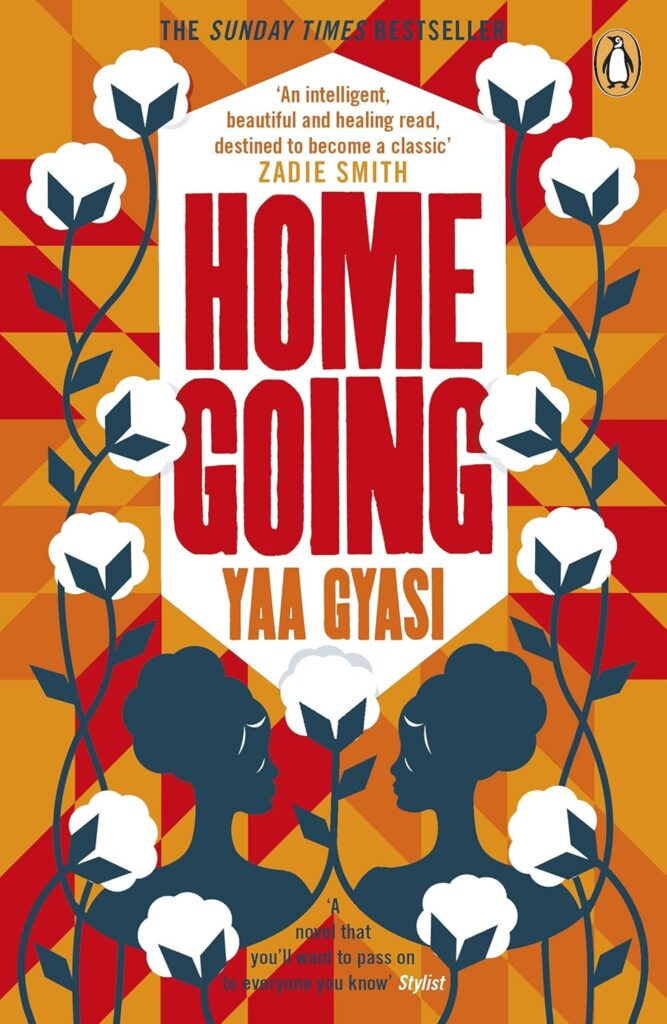
“I mean, my God, where do I begin? There’s something about this and it’s not just that it’s a debut novel, which I mean, she was so young when she wrote it. So depressing. I’m like, you should only be allowed to write a book like that when you’re like 60. And I think it’s just so ambitious and the scope of it, you know, the scale of it, the way it encapsulates this entire world. These generations of stories is just so deftly done that it’s utterly compelling, you’re completely immersed in that world but I also found it next to impossible to put down and I think to create something like that as complex as the story is and as ambitious as it is in scale and then to make it so unbelievably compulsively readable I think is it’s really difficult to do actually and I think it’s really difficult to do as well as Jesse has done in this book and it was one of those novels that when I read it I instantly was like I need to recommend this to everyone, I just wanted everyone I knew to read it so that we could talk about it.”

“I was in the library in Clonacilty – I just love libraries – and this book had fallen off the bookshelf. And I picked it up, and it was The Artist’s Way and I’d never heard of it before. And I thought, oh, well, if I don’t like it, I can just return it. And I took it out and I started doing the programme. So it’s a 12 week programme and it’s almost like therapy as well. It’s not just the nuts and bolts of how to write a book. It is almost like creativity and writing as a spiritual practice and how to unblock yourself. And so I started reading it and I’d say within three weeks I had started writing. It truly sparked it. It’s such a wonderful book. And like I usually re-read it before I start any new project.”
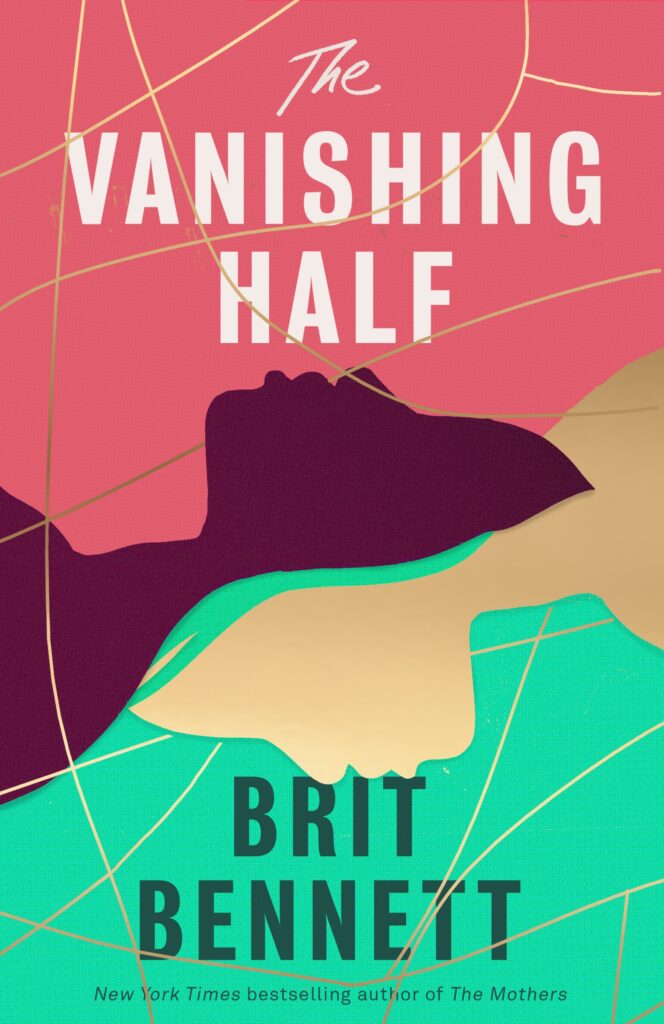
“The reason why I recommend this book so often is because for me to say I love a book, it has to have one of three things. It has to be either beautifully written. It has to have an amazing plot or feel like the author really has something to say. And I think with The Vanishing Half, it has all three. I remember thinking oh no one’s talked about this before and I suppose as well with literary fiction it is often more focused on character development and beautiful language and plot is not necessarily the main driver and I think that very plot driven books tend to be more like commercial whereas I think this is such a plotty book, such a clever idea, the writing is beautiful and it’s a very political book. And so that is why I recommend it to people. Because I genuinely can’t imagine anyone reading it and not racing through it and not enjoying it or not wanting to talk about it afterwards.”