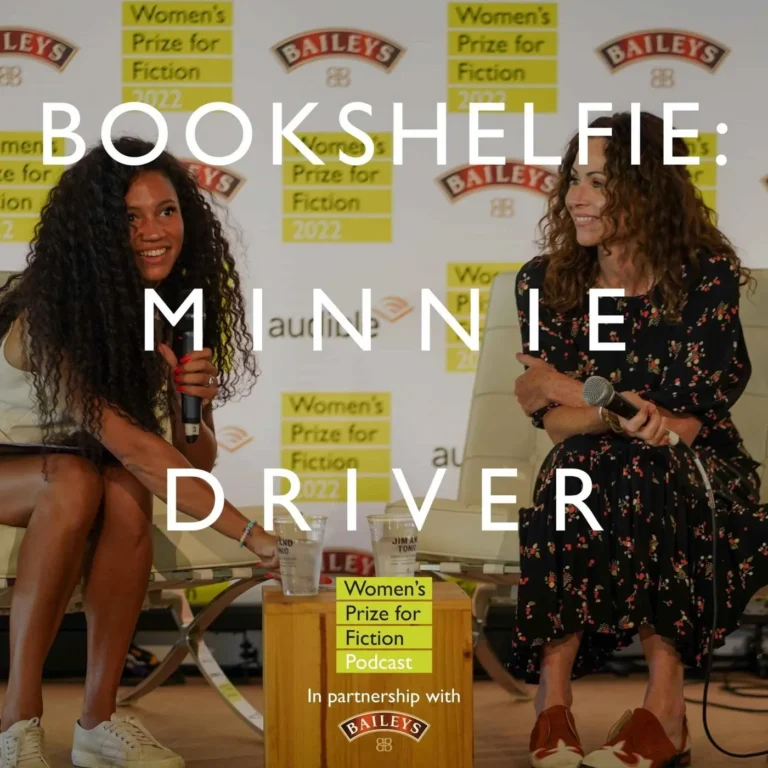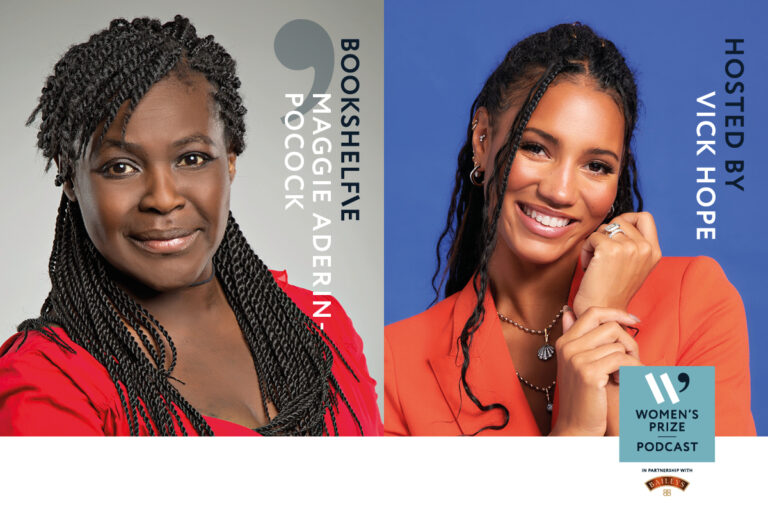
Our host Vick Hope is joined by Diana Reid.
Diana is a screenwriter and the bestselling author of the novels Love & Virtue, Seeing Other People, and Signs of Damage. Her debut novel, Love & Virtue, won several prizes including the ABIA Book of the Year Award. She was also named Sydney Morning Herald’s Best Young Australian Novelist in 2022. Most recently, she wrote a new film adaptation of Jane Austen’s Sense & Sensibility for Working Title and Universal Pictures, set for release in cinemas on 25 September starring Daisy Edgar-Jones and Esmé Creed-Miles as the Dashwood sisters. Born in Sydney, Diana is currently based in London.
Listen to the full episode here and read on to discover Diana’s five most influential books by women.
“It was always about the sisters and it’s about their love story with each other as much as it is with the men, and it’s about how in order to end up with the men they’re meant to be with, and be the best version of themselves, they have to learn from each other and they have to take on the qualities that the other one has that they lack. And to me, that was always such a beautiful, elegant structure. Like, it’s literally thesis, antithesis, synthesis.”

“In a lot of ways, it’s kind of a book about reading […] I know it’s about learning and classics but I think it taps into why reading is exciting for people especially at a young age because the cast of characters are learning about the classics and they’re so lusting after experience and it’s not enough to just read about the classics, they feel like they have to experience the things that those people were going through, they have to have a bacchanal, and I think that when you’re a teenager and you’re reading and your emotional and imaginative life is outstripping your actual experience of the world […] I think that The Secret History is explicitly about that.”
“I first read that when I was 23. And I loved it. I was surprised by how much I loved it. I mean, it is long – it’s like 800 or 900 pages. And so I did pick it up with a feeling of eating my cultural vegetables. And then the…it ends with this very famous epilogue and it’s expressed much more beautifully, but the narrator is basically like it’s always painful to leave behind characters that you’ve come to know really well and I remember reading that and actually crying and being like yeah it is painful like I care about these people so much and it was like astonishing to me that I had spent so much time with these people that are not real and it was such a wrench. Like, I finished it with grief. I wanted to spend even more time with them. It could have been 1,800 pages long, you know?”
“I think growing up in Australia so much of the fiction you get exposed to especially in school is very kind of masculine, like muscular stories about usually a man having like a fraught relationship with the land and it’s about this hostile, untameable environment […] those books are obviously classics for a reason and I also think they export really well because that’s the kind of outsider perception of what Australia is: this remote, scary wilderness. But for someone growing up in a huge city like Sydney, that was never my experience of being Australian. And so I think reading this book when I moved to London, which is about two women who they’ve grown up in this remote place that other people perhaps look down on, but they feel like they’re so hungry to participate in what they perceive as like the centre of the world because they’ve been living in a remote place and they’ve always felt like culture was happening elsewhere. I feel like that was the first time that I was like oh my version of what it means to be Australian is being expressed in a book that was done decades ago.”
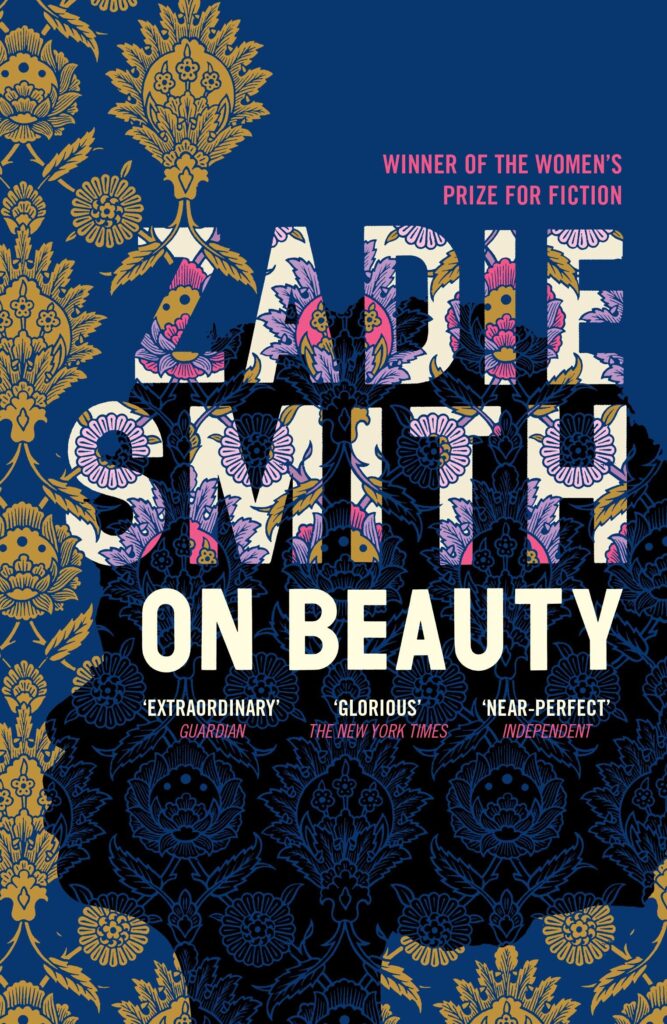
“It’s such a beautiful book. It was my introduction to Zadie Smith, who I’m now just, I’ve read everything she’s ever written. And I mean, like so many people, you know, she’s so beloved for a good reason. I think this book was really important; it informed my approach to my own work because… I mean, so many of the books I’ve picked today are actually classics. But I think that for a while, I think in my personal reading life, especially when I was in my early 20s, I sort of had this perception that reading classics was performative. Like it was like a thing that teenagers did because they wanted people to think that they were smart. On Beauty just totally got me over that hang up because it’s her a relationship to Forster is so respectful without being reverent, she takes bits of Howard’s End for the plot and the themes, but then she totally like reinvigorates it, like she’s so inventive about applying it to now.”