
Our host is joined by Audrey Niffenegger.
Audrey is the author of the global sensation The Time Traveler’s Wife, which was longlisted for the Women’s Prize for Fiction. Since publication in 2003, it’s sold more than 9 million copies globally and was made into a film starring Rachel McAdams and Eric Bana. Audrey trained as a visual artist at the School of the Art Institute of Chicago, and her work has been exhibited by the city’s Zola Lieberman Gallery. Throughout her career she’s taught book arts and creative writing in multiple institutions, including Columbia College in Chicago until 2015. In 2019 she founded the nonprofit, Artists Book House, which supports people in turning their stories into books through community, education, exhibitions and events. Audrey’s new book, Life Out of Order, the much-anticipated sequel to The Time Traveler’s Wife, tells the story of Clare and Henry’s daughter, Alba.
Listen to the full episode here and read on to discover Audrey’s five most influential books by women.
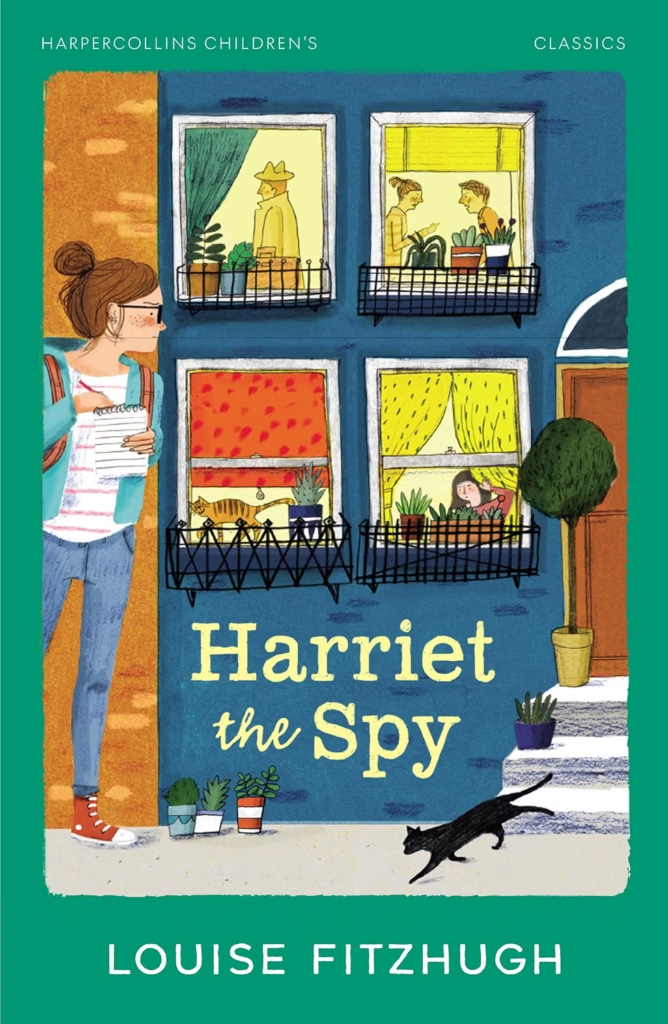
‘I was nine, which in the U.S. would put me in fourth grade, so I was a little bit younger than Harriet is in the book, and the thing that was empowering about this book, is the idea that you could take a notebook and be brutally, brutally honest, and and kind of terrorise people. Not that I wanted to terrorise people, but Harriet has a lot of power in this notebook. And when her spy notebook is discovered by her classmates, her whole world implodes because they are very unhappy with her. So it’s it’s kind of a brilliant observation of the social lives of children, but what I took away from it was you should you should get yourself a notebook and start writing in it.’

‘I certainly admire The Little Friend and The Goldfinch, but I think that The Secret History is somewhat autobiographical. Donna Tartt, as far as anyone knows, is basing a lot of the characters on real people. The college in the book is based on Bennington, and so there’s kind of an extra something, this zap where the reality and the fiction are made more powerful and exponentially charged I think by the existence of some reality behind the rather disturbing story.’

‘She is really amazing at creating quite different sorts of people. She’s not at all a one-trick pony. She’s able to really populate her world with a wide cast of characters. As you said, I mean, Norrell and Jonathan Strange are real contrasts. They’re they’re both magicians, and they have that in common. But they could not be more different as people.’
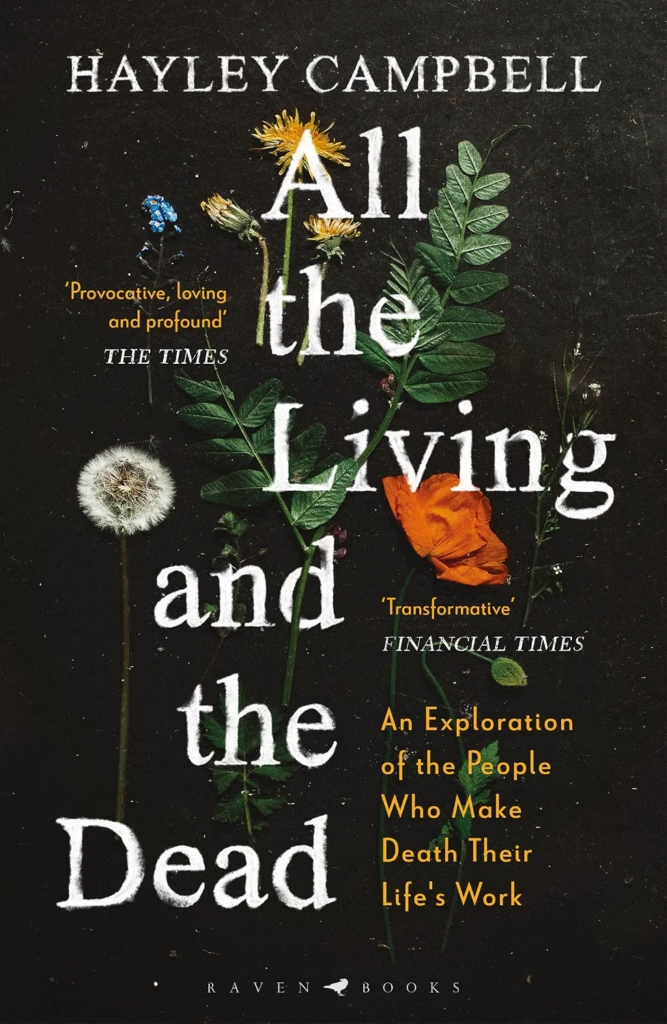
‘I admired her ability to track these people down and to get them to open up to her. I think a lot of people they were very reticent. Some of them, like the retired executioner, his own wife didn’t know that he was an executioner. She knew he worked at the prison, but she didn’t know what he did. So once he was retired, he was able to talk about it. But he had spent his whole life doing this very intense job and not being able to speak about it […] I admired the way she had structured everything and put it all together. One one thing really does flow into another. You would think that mass casualty, like an airplane crash, doesn’t lead all that naturally into talking to a bereavement midwife, but somehow all of these different things do seem to belong together.’
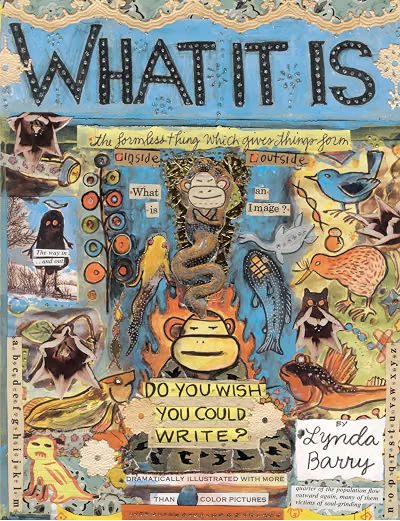
‘Something that Lynda Barry is very good at doing is reframing the problem. When when you’re blocked, sometimes the problem is not you; it’s the thing that you think you’re trying to solve, and so by by stepping away from that and asking a different question, sometimes that is all you need, and you can go forward. And she’s excellent at pointing that out. I think for many people that’s a major idea that they haven’t thought about, and so that in and of itself is worth the price of admission. But she does have in this book a lot of autobiography about her childhood, and she’s talking about how when she’s a kid, she just draws and draws and draws and draws, and it just pours out of her. And when she grows up, she’s working as a cartoonist, and suddenly it’s work; it’s not play anymore.’