Our host Vick Hope is joined by Rebecca F. Kuang.
A trailblazing talent whose literary career has unfolded at an extraordinary pace, Rebecca is the #1 New York Times and Sunday Times bestselling author of Katabasis, Babel and global phenomenon Yellowface. She has won multiple awards including Fiction Book of the Year at the British Book Awards – twice! A Marshall Scholar, she has a masters in Chinese Studies from Cambridge and another in Contemporary Chinese Studies from Oxford. She is now pursuing a PhD in East Asian Languages and Literatures at Yale, where she studies diaspora, contemporary Sinophone literature, and Asian American literature. Her new novel, Taipei Story, a profoundly moving coming-of-age story exploring first love, grief and cultural belonging, is out now.
Listen to the full episode here and read on to discover Rebecca’s five most influential books by women.
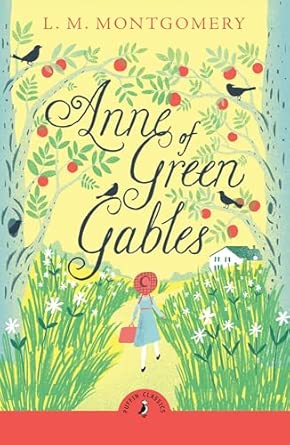
‘Anne of Green Gables’ biggest superpower is looking at mundane things like a tree or a lake or a flower and making it the most noble, elegant, magical thing and transforming the place around her into something that is so ethereal and special. She’s hilarious and her interactions with Gilbert Blythe are so charming and it’s fun to keep up with all the mistakes she’s making. But most of all, I think we fell in love with her love of storytelling. I forgot about Anne and for years, I didn’t pick up those books. But actually, this past summer, I was talking to my sister and she said, “oh, I reread Anna Green Gables every single year. I read it after exams” – when she gets very depressed after, she’s a law student and she gets really sad after exams because it’s like she had all this adrenaline and she was preparing and then there’s nothing but the come down so she said “I sit and read Anne” and I thought oh I should do that and I went back to the books and I was so charmed again for the same reasons.’
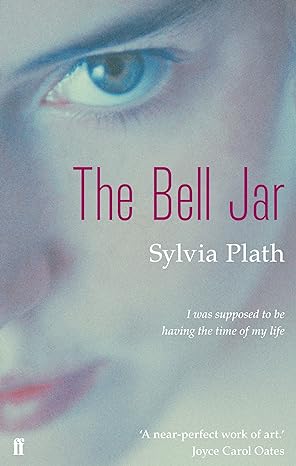
‘I read The Bell Jar when I was a teenager and I fell in love with it for all the same reasons that teenage girls do. We feel like it speaks to us and our particular problems and the impossibility of choice. And especially if you are, I think, academically inclined and have structured your life around academic achievement and doing really well in school and suddenly being on the cusp of adulthood asking well what is all of this good for? What am I supposed to do now when I’m outside of a school structure where it’s just about grades? What on earth am I meant to do with the rest of my life?’
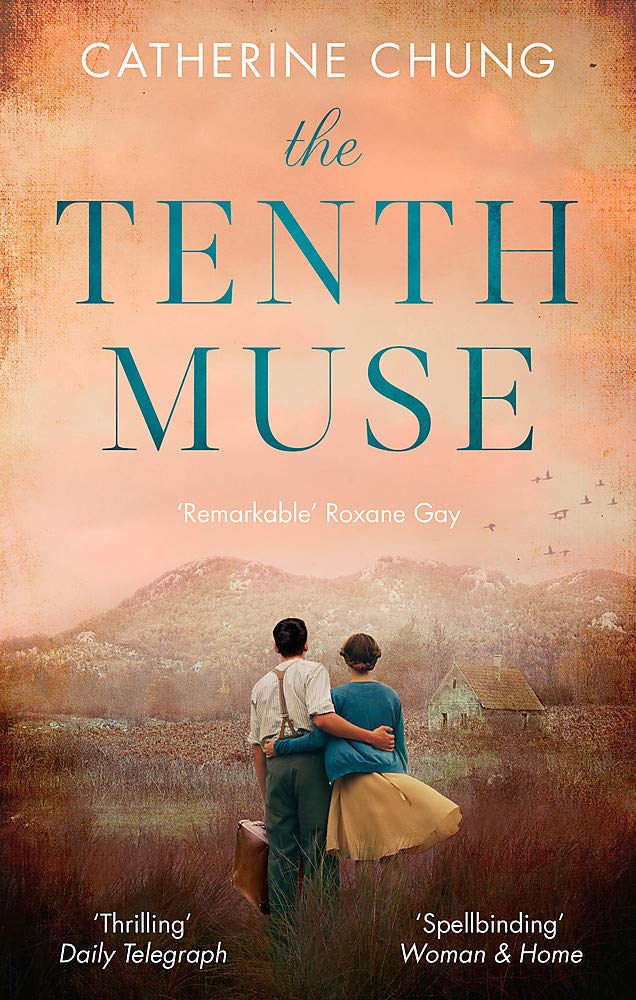
‘I was introduced to this book maybe five or six years ago by a fellow author and one of my close friends, Grace D. Lee and she said, I’m not telling you what genre it is, I’m not telling you what it’s about, it’s gorgeous just to read it, and I think the thing that’s most striking to me is how irreverent and indifferent to story expectations this text is, it’s so many things at once, it’s a love story, it’s a historical mystery, it’s a meditation on World War II it’s also about math and about math paradoxes and the experience of being a woman mathematician in the middle of the twentieth century and it’s also about Greek mythology and epics, and the whole thing is told with the framing mechanism of the hidden 10th muse.’
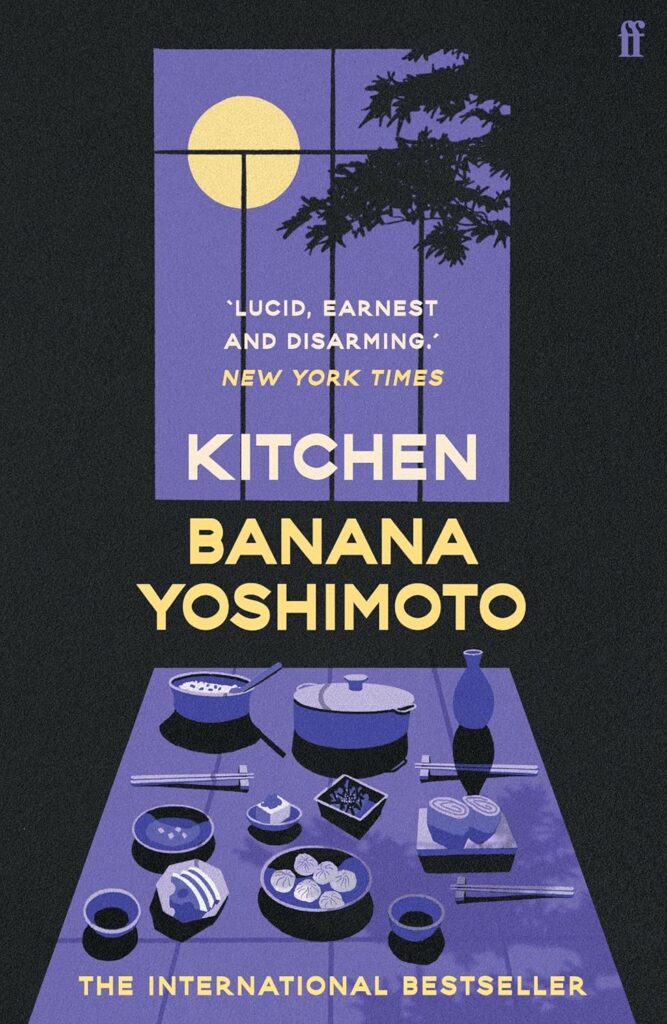
‘I’ve taken a lot of comfort in Banana Yoshimoto’s work over the past two and a half years, Kitchen and Moshi Moshi, because I think she does this amazing job thinking and describing grief, not just what it feels like, but [what] it means to keep waking up and moving through your routines, going to do your job, thinking about the future, being able to envision a future when you’re under this suffocating cloud of grief’
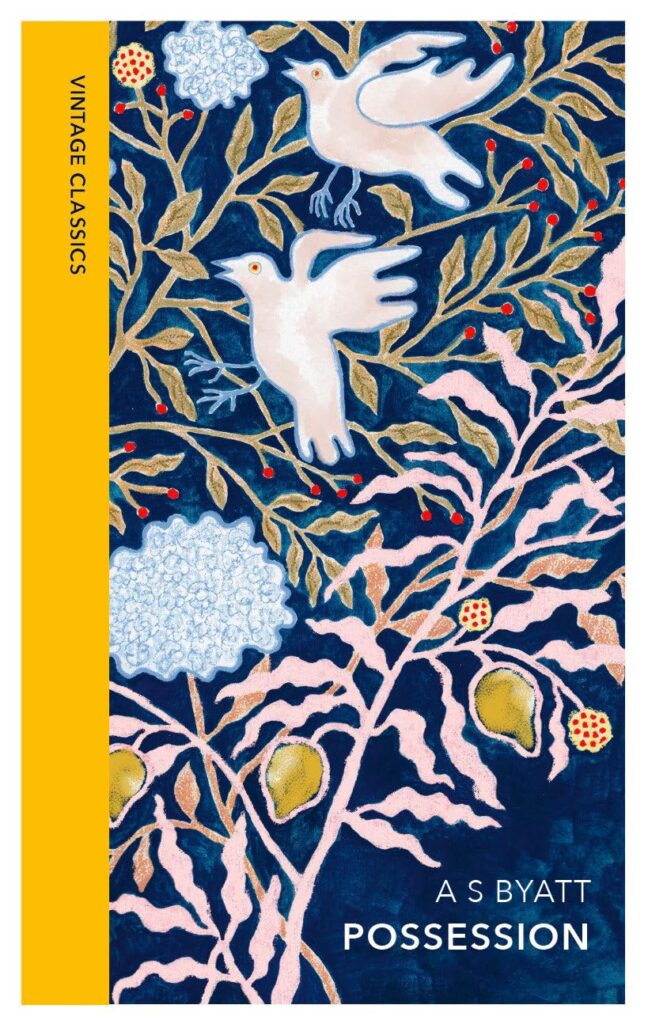
‘I think the word that comes to mind is just sheer indulgence. Possession is a book that takes its time […] It’s about really taking your time with the text and picking through clues, the grand revelations aren’t grand on a plotty scale, but rather because they subtly reframe everything you think you know about the relationship between these two people. I’ve loved it ever since I first read it years ago…’